India’s refusal to connect Alipay+ to its Unified Payments Interface is a reminder that digital payments are now a matter of national security as much as convenience.
India Rejects Alipay+ Link to UPI
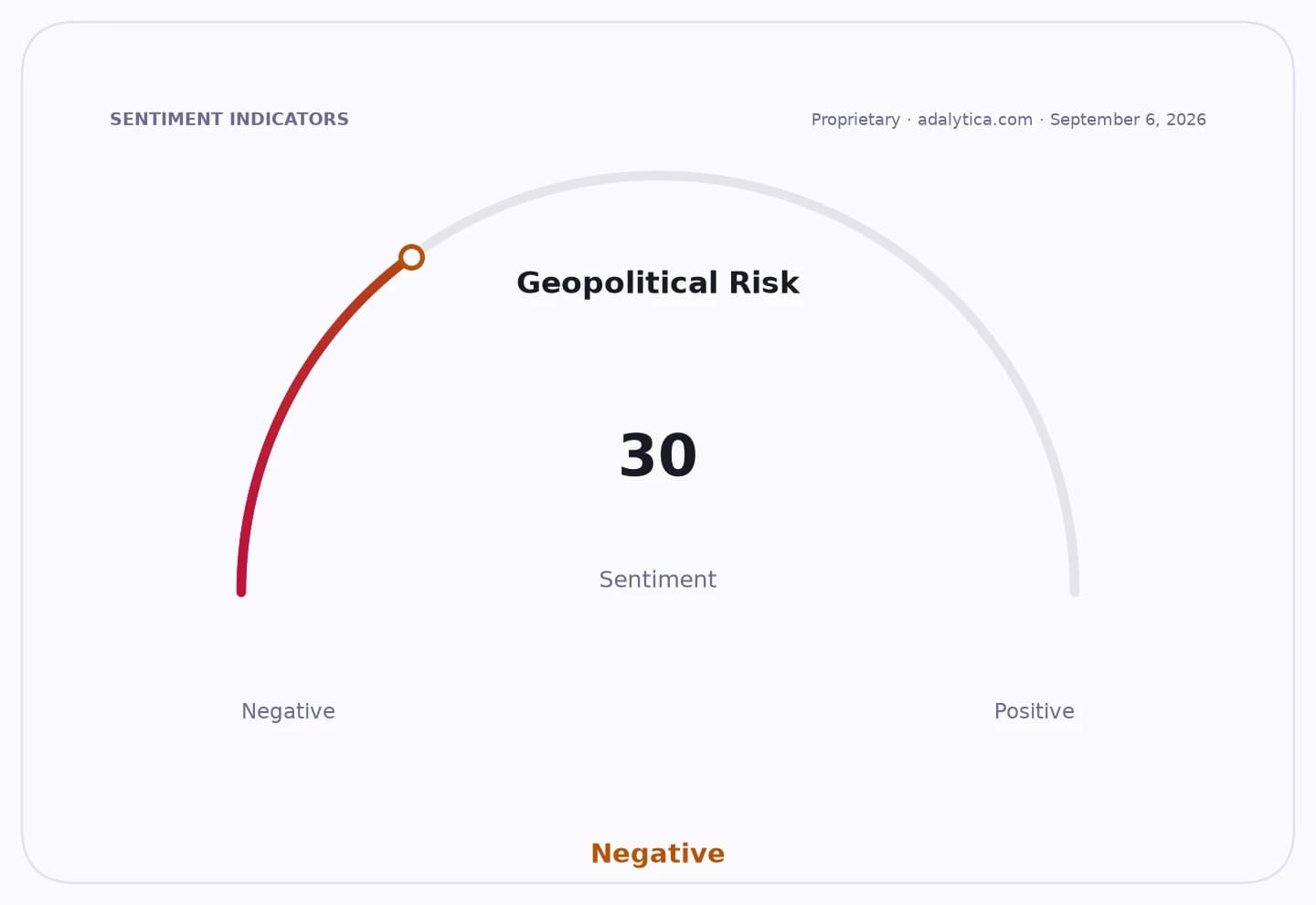
For investors, that matters because UPI is no longer just a domestic fintech success story. It is becoming a strategic payments rail that India wants to keep tightly controlled as it expands abroad, adding another layer of scrutiny to foreign platforms that want access to one of the world’s fastest-growing payment ecosystems.
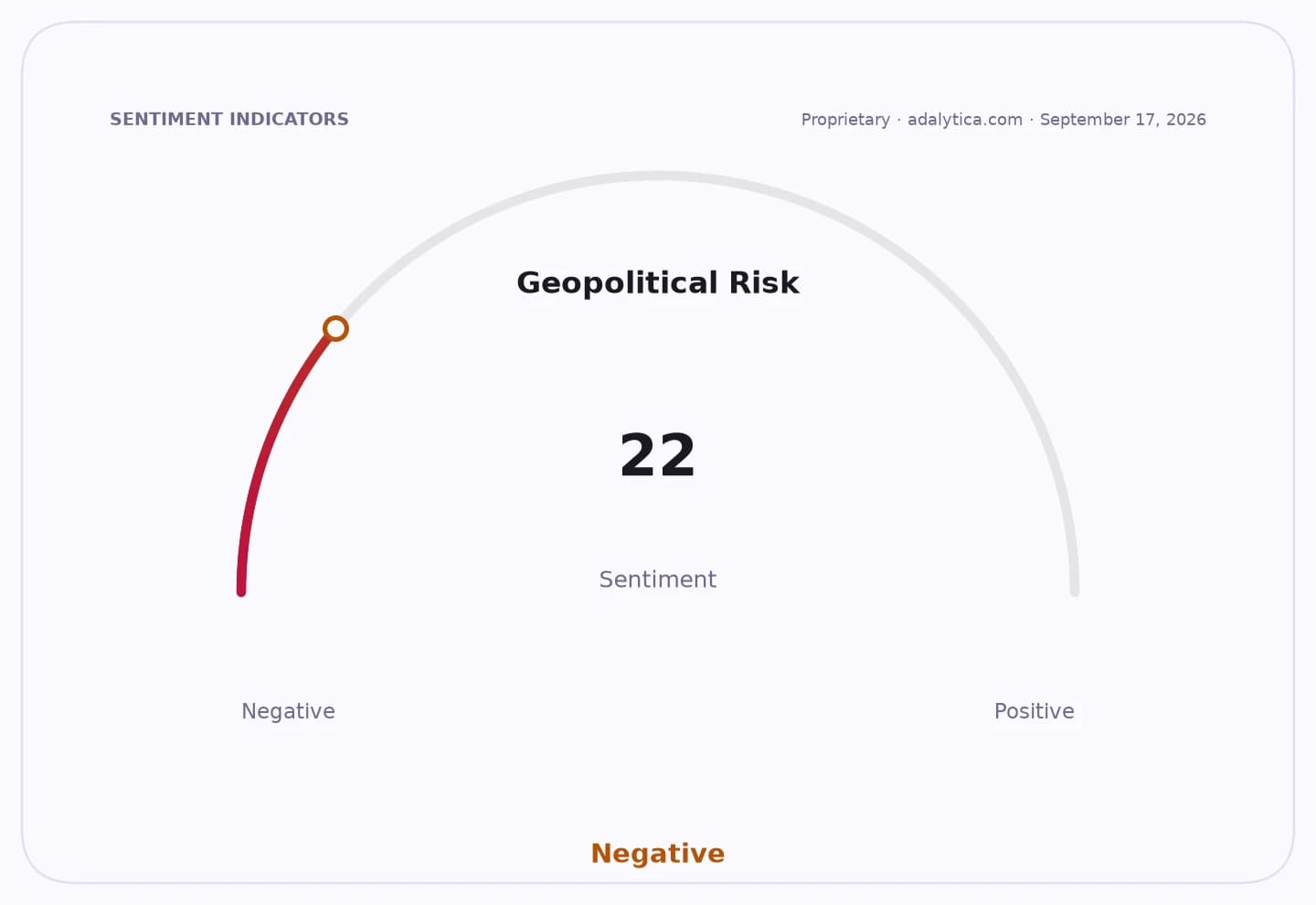
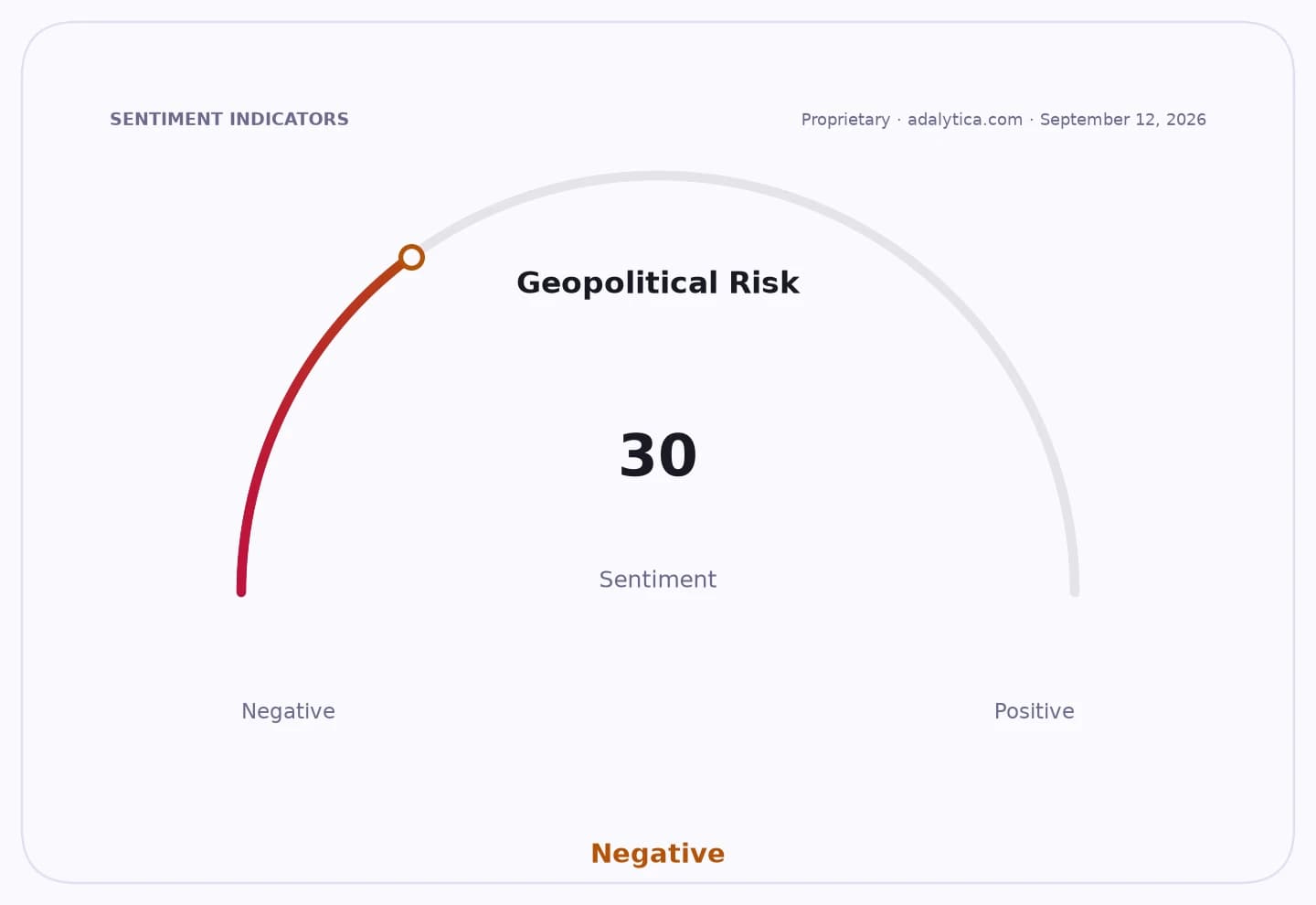
Sentiment IndicatorsⓘProprietary · adalytica.com · September 6, 2026
This is a snapshot — live sentiment, awareness and momentum for 130+ markets update continuously in the dashboard.Open AlphaPulse
The reason is straightforward: policymakers are wary of data privacy and security risks tied to China. That makes the decision less about one app and more about how far India is willing to let foreign technology into the plumbing of its consumer economy. In a market where fraud complaints around UPI are already rising, regulators are signaling that scale will not come at the expense of control.
That stance also helps explain why companies built around cross-border payments, including PayPal and Alibaba-linked payment ecosystems, face a more complicated path in India than they do in more open markets. Even as UPI continues to grow rapidly and the National Payments Corporation of India prepares new features to improve security and user experience, the government is drawing a line around who gets to plug in.
The economic logic is clear: the more payments migrate online, the more valuable the underlying data becomes. Governments want to know where that data is stored, who can access it and whether foreign state interests could gain leverage through the system. India’s caution is therefore part of a broader trend across the global digital economy, where payment networks are increasingly treated as infrastructure, not just software.
For investors, the takeaway is to favor the domestic rails and regulated platforms that can win trust over time. UPI’s continued expansion should support transaction growth, but the winners are likely to be companies aligned with India’s policy priorities rather than those hoping for easy foreign integration. In payments, trust is becoming a moat, and that is worth watching for the next 3 to 10 years.
| Entity | Gains | Losses |
|---|---|---|
| UPI / NPCI | ▲Tighter control | ▼Faster foreign linking |
| Indian regulators | ▲Security oversight | ▼Open-access optics |
| Domestic payment players | ▲Protected access | ▼Foreign competition |
| Alipay+ / China-linked platforms | ▲None | ▼UPI integration |