China’s embassy in Trinidad and Tobago has accused Washington of political interference after US officials criticized Chinese technology firms, sharpening a dispute that goes beyond one Caribbean country and into the wider struggle for influence over telecoms, infrastructure and digital security across Latin America and the Caribbean.
China, US Clash Over Caribbean Telecom Procurement
The immediate economic issue is who gets to supply critical technology in a region where governments are still building out networks, data systems and public infrastructure. Beijing is trying to preserve market access for its companies by framing them as low-cost, reliable and compliant with local rules, while Washington is pressing allies and partners to keep Chinese vendors out of sensitive systems on security grounds.
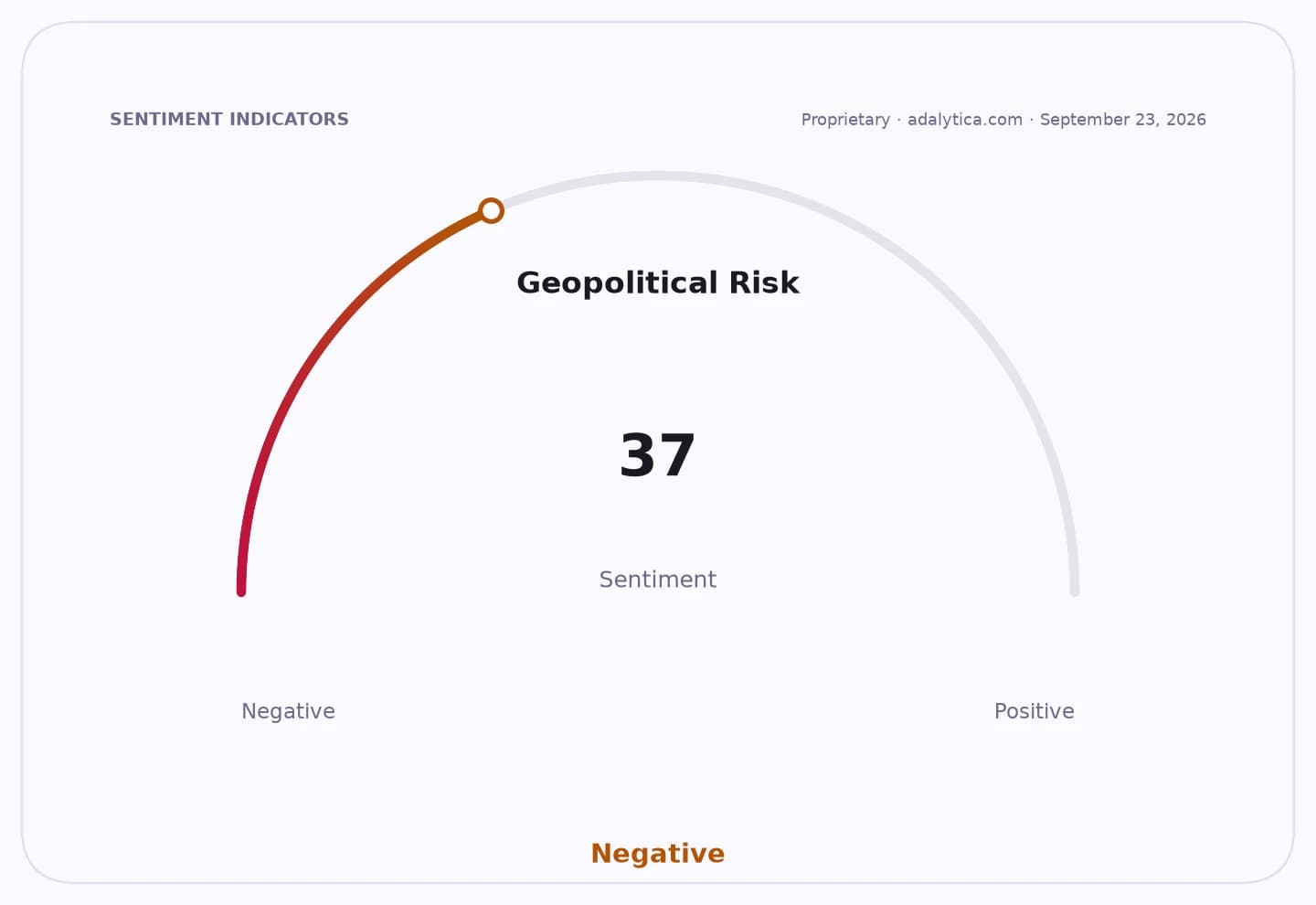
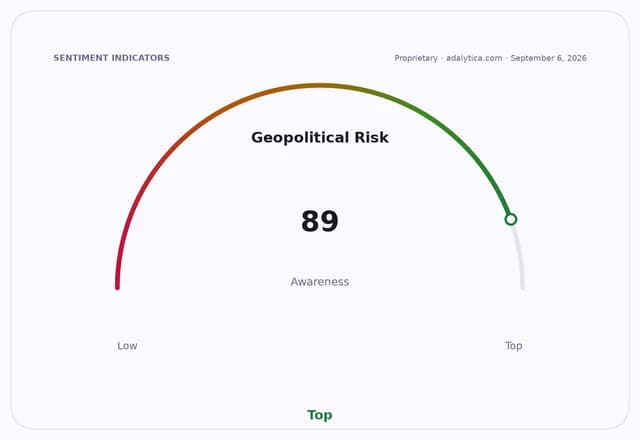
Sentiment IndicatorsⓘProprietary · adalytica.com · September 6, 2026
This is a snapshot — live sentiment, awareness and momentum for 130+ markets update continuously in the dashboard.Open AlphaPulse

That matters because telecoms and other digital infrastructure carry long-lived capital implications. Once equipment is installed, contracts, maintenance, software support and network upgrades can lock in suppliers for years, creating recurring revenue for vendors and strategic dependence for host countries. China’s pitch is straightforward: its firms offer competitive pricing and have helped create jobs and development. The US argument is that the same equipment can create security vulnerabilities and political leverage.
The embassy’s unusually direct language — accusing the US of surveillance and “tapping” across the region — shows Beijing is willing to escalate rhetorically to protect that commercial footprint. It also underlines how Latin America and the Caribbean have become a front line in the broader US-China technology rivalry, where procurement decisions increasingly carry geopolitical weight. For smaller states such as Trinidad and Tobago, the dispute is about sovereignty and the freedom to choose partners; for the two superpowers, it is about setting the terms of the region’s digital architecture.
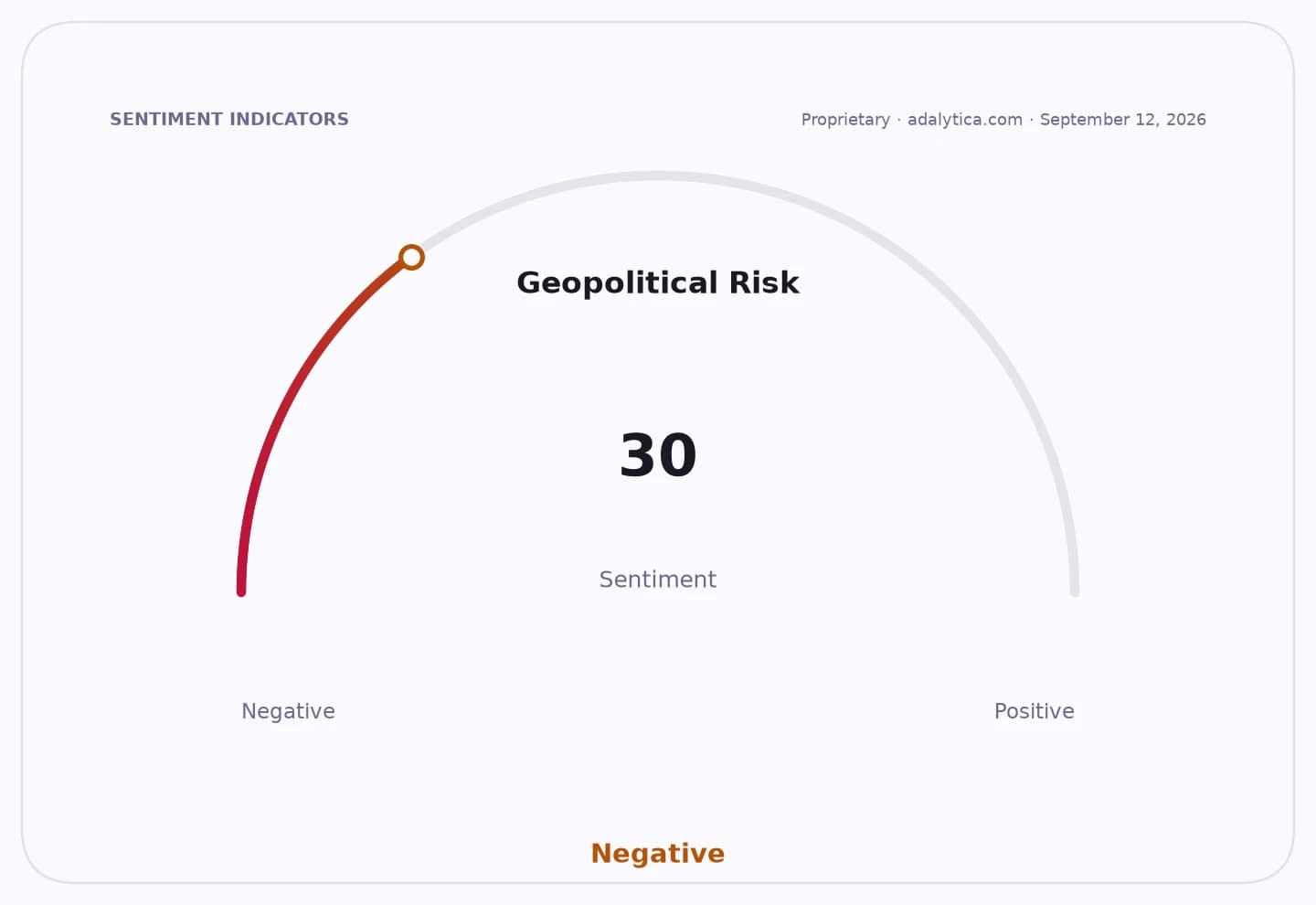
US-China Relations — 30-day sentimentadalytica.com
Explore this data interactively — full history, time series and cross-market comparisons.Open AlphaPulse
For investors, the story reinforces both opportunity and risk in Chinese technology exposure. Chinese telecom and equipment suppliers may still find demand in markets that prioritize price and deployment speed over alignment with Washington’s security concerns. But the policy overhang remains heavy: procurement reviews, sanctions risks and pressure campaigns can delay contracts, limit addressable markets and raise compliance costs. That is especially relevant for investors in Chinese internet and technology equities, where access to overseas growth has already become more uncertain.
The market backdrop is cautious but not alarmed. The FXI China ETF has been trading around $35.88, below its 200-day moving average of $36.47 and only slightly above its 50-day average of $34.76, suggesting investors are still treating China exposure as range-bound rather than in a decisive uptrend. KWEB, which tracks Chinese internet stocks, closed at $26.05, also below its 200-day average of $30.11, a sign that broader confidence in China-linked growth remains fragile even as geopolitical headlines dominate. Conventional technical readings such as RSI levels in both funds point to rebounds from oversold conditions, but not to a clean risk-on re-rating.
Adalytica’s US–China Relations Sentiment gauge is currently in “Extreme Greed,” reflecting how intensely the issue is being priced in by market watchers, while its China CCP Policy Direction measure sits in “Extreme Fear,” underscoring the policy uncertainty around Beijing’s next move. That combination is consistent with a market that expects more friction, not resolution.
The bull case for Chinese vendors is that cost, speed and existing regional relationships still win contracts in much of the developing world. The bear case is that Washington’s pressure campaign continues to narrow the market, especially in telecommunications and state-linked infrastructure, forcing Chinese companies to compete in an increasingly politicized procurement environment.
What to watch now is whether Trinidad and Tobago or other regional governments respond publicly, and whether US warnings turn into formal restrictions, financing pressure or procurement guidance. If they do, the dispute could spread from diplomatic rhetoric into actual project pipelines — the point at which geopolitical confrontation begins to show up in company revenue, margins and valuations.
| Entity | Gains | Losses |
|---|---|---|
| Chinese tech firms | ▲Regional contract access | ▼US security pushback |
| Trinidad and Tobago government | ▲Wider supplier choice | ▼Diplomatic pressure |
| US policymakers | ▲Security narrative | ▼Influence over local procurement |
| Chinese equities/investors | ▲Overseas growth optionality | ▼Policy and sanction risk |