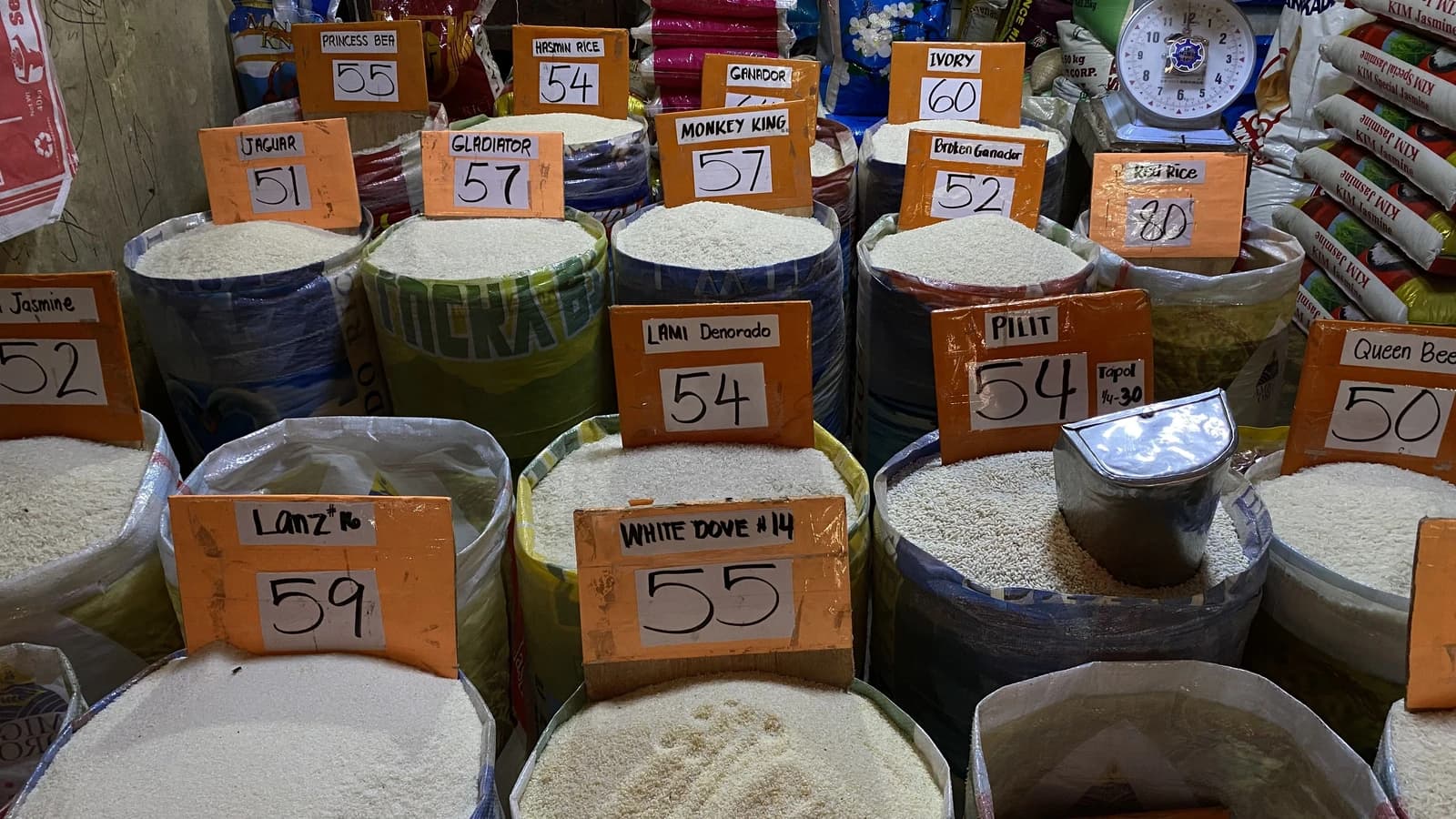
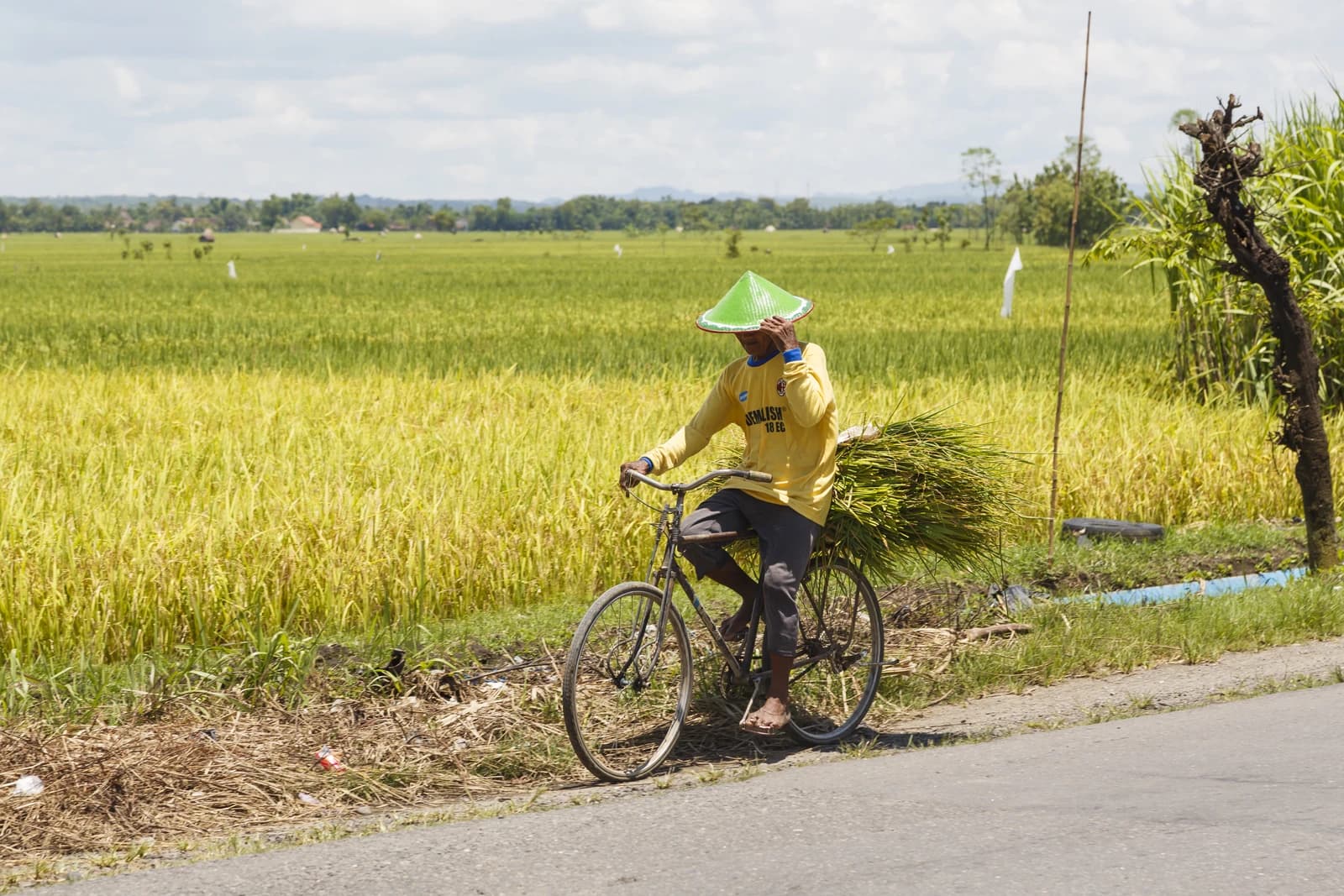
India is considering a roughly 20% export duty on certain rice varieties as rising domestic prices squeeze consumers and feed manufacturers, a move that could cool inflation at home while reshuffling supply flows across Asia’s rice market.
India weighs 20% rice export duty
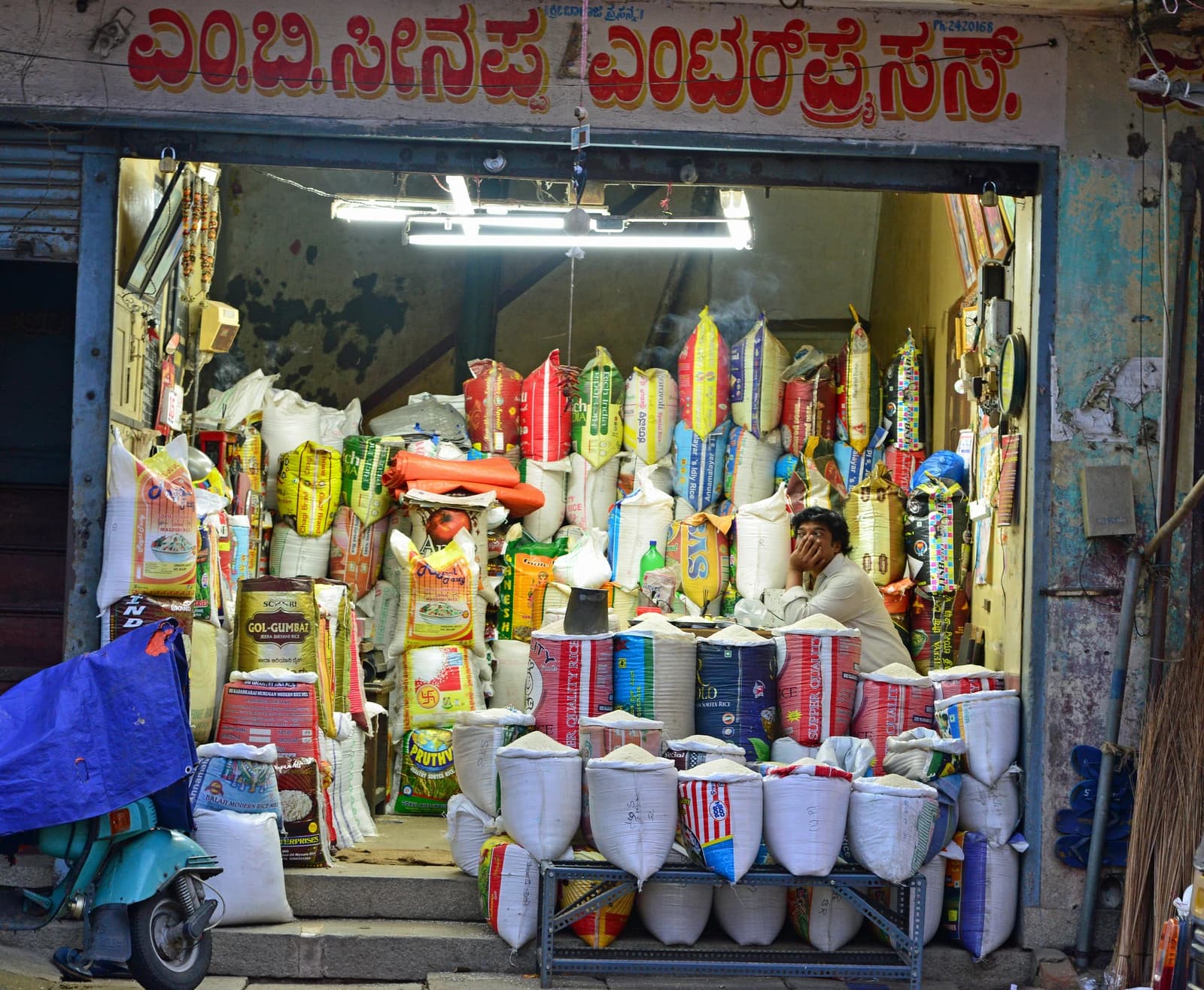
The policy debate matters because India is the world’s biggest rice exporter, so even a targeted duty would have ripple effects beyond its borders. By making some shipments less attractive, New Delhi could divert more grain into domestic channels, easing shortages in varieties such as 100% broken rice and premium non-Basmati grades that are in short supply in southern states. It would also support the government’s effort to contain food inflation, a sensitive issue as broader consumer and producer prices remain elevated.
Sentiment Indicators
The proposal is being driven in part by a sharp jump in broken rice prices, which has hit poultry and cattle feed producers particularly hard, according to government officials. At the same time, state rice reserves, including unmilled paddy, stood at a record 55.3 million metric tons on Nov. 1, nearly four times the official target, suggesting the move is less about outright scarcity than about price management and distribution.
That distinction is important for investors because it argues against a full-blown export ban and toward a more calibrated intervention. Traders said any duty would likely slow exports rather than halt them, given India’s persistent price advantage over rivals. That could still pressure exporters’ margins and volumes, but it would probably preserve India’s dominant role in the global market rather than cede it entirely to Thailand, Vietnam or Myanmar.
The market backdrop reinforces the policy pressure. Rice export prices in India have climbed to their highest level in more than 19 months, while prices in Vietnam have also surged, keeping the broader Asian rice complex tight. In that environment, even a modest Indian duty could lift international prices further if buyers scramble to secure supply elsewhere. That would help competing exporters, but it could also feed inflation in importing countries that rely on Indian grain.
For investors, the near-term read-through is mixed. Indian exporters and global traders face policy risk and potentially softer shipment momentum, while domestic food producers could benefit from some relief in input costs if the measure succeeds. Agricultural commodity markets may also stay volatile as participants price in the chance of further intervention, especially if food inflation stays sticky and officials decide the current steps are not enough.
The key question now is whether New Delhi uses the duty as a temporary cooling measure or as the first step in a broader set of export curbs. If domestic prices keep rising, the government may feel compelled to widen restrictions; if they stabilize, shipments could continue largely uninterrupted. Either way, India’s rice policy is again becoming a global market variable.
| Entity | Gains | Losses |
|---|---|---|
| Indian consumers | ▲Lower rice prices | ▼Less upside from export demand |
| Poultry and cattle feed makers | ▲Cheaper broken rice supply | ▼Profit pressure from high input costs |
| Indian rice exporters | ▲Policy clarity if duty is limited | ▼Lower export volumes and margins |
| Thailand, Vietnam, Myanmar | ▲More room to compete globally | ▼Loss of price competitiveness if India keeps exporting heavily |