India’s rum aisle is widening into two distinct markets, with premium bottles made from fresh sugarcane juice, jaggery and longer aging now commanding as much as nearly four times the price of mainstream labels. That shift matters because it signals that Indian spirits makers are pushing beyond volume-led mass pricing toward higher-margin, provenance-driven products that could reshape competition, consumer expectations and regulatory scrutiny.
India rum market splits into premium and value tiers
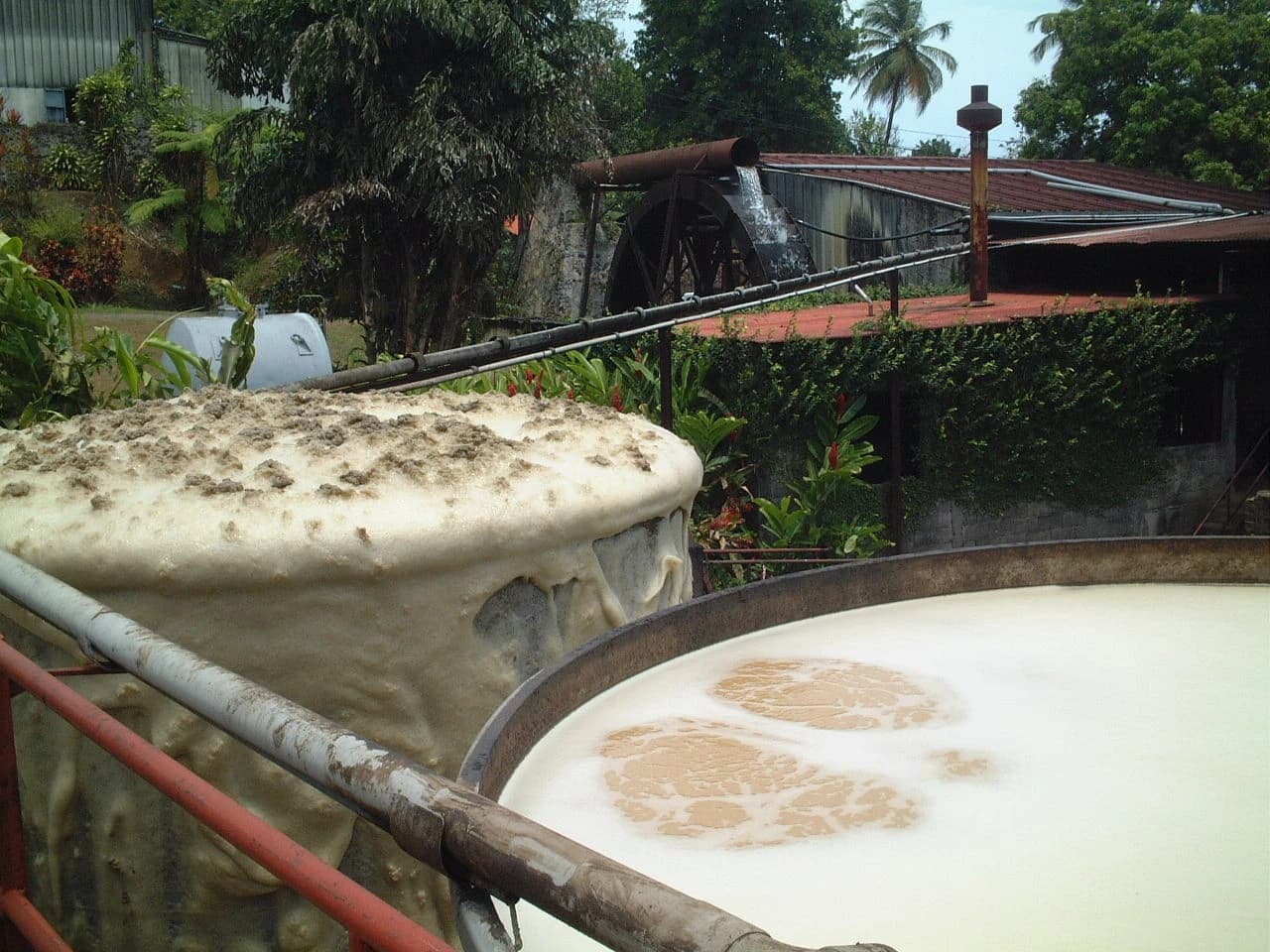
The clearest example is the gap between a 750 ml bottle of Old Monk in Delhi at about ₹650 and Camikara, a three-year-aged rum priced around ₹2,000 to ₹2,400. The difference is not just branding. Fresh cane juice must be processed quickly, aging in barrels raises costs, and the choice of raw material, distillation method and maturation all feed into the final shelf price.
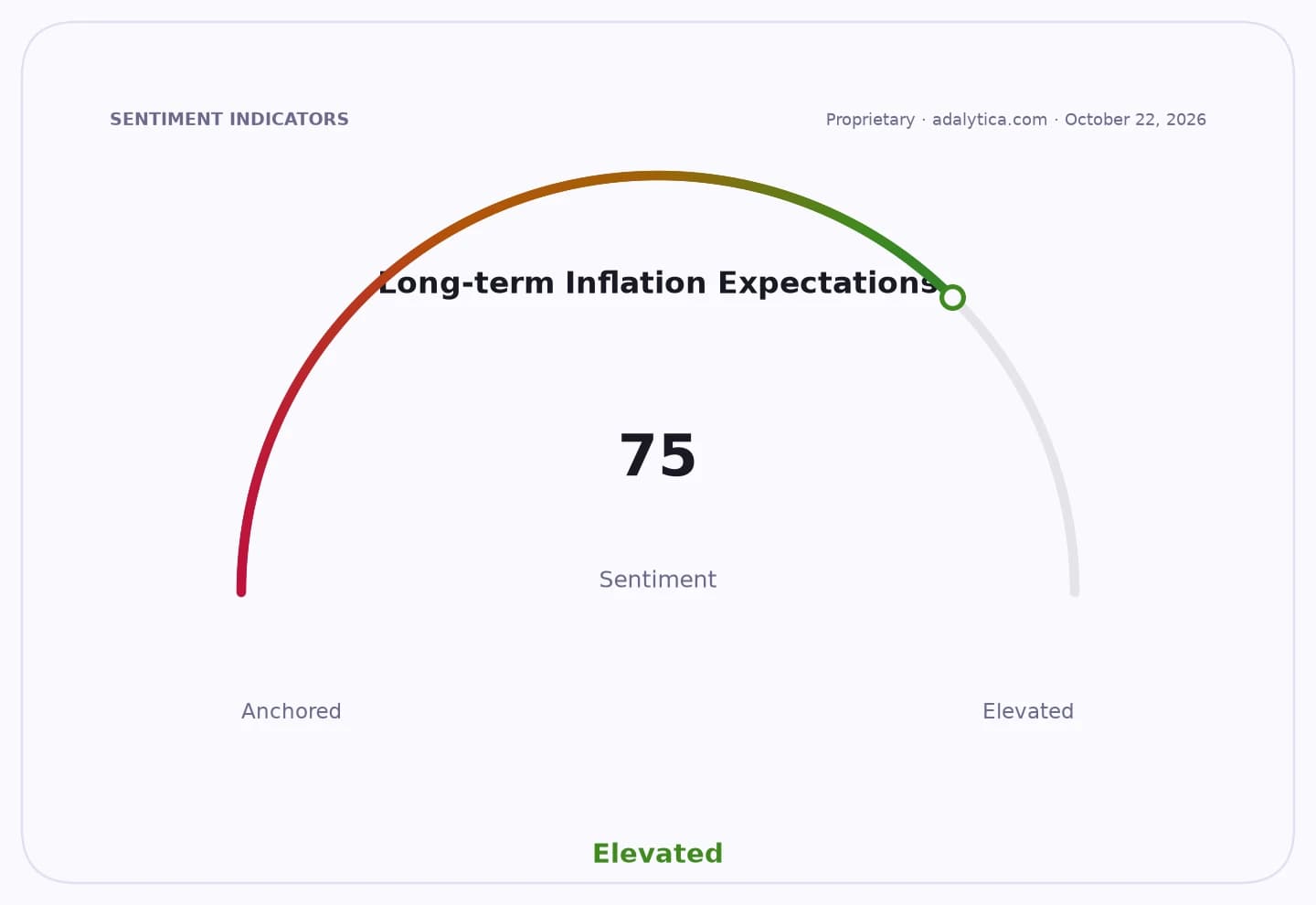
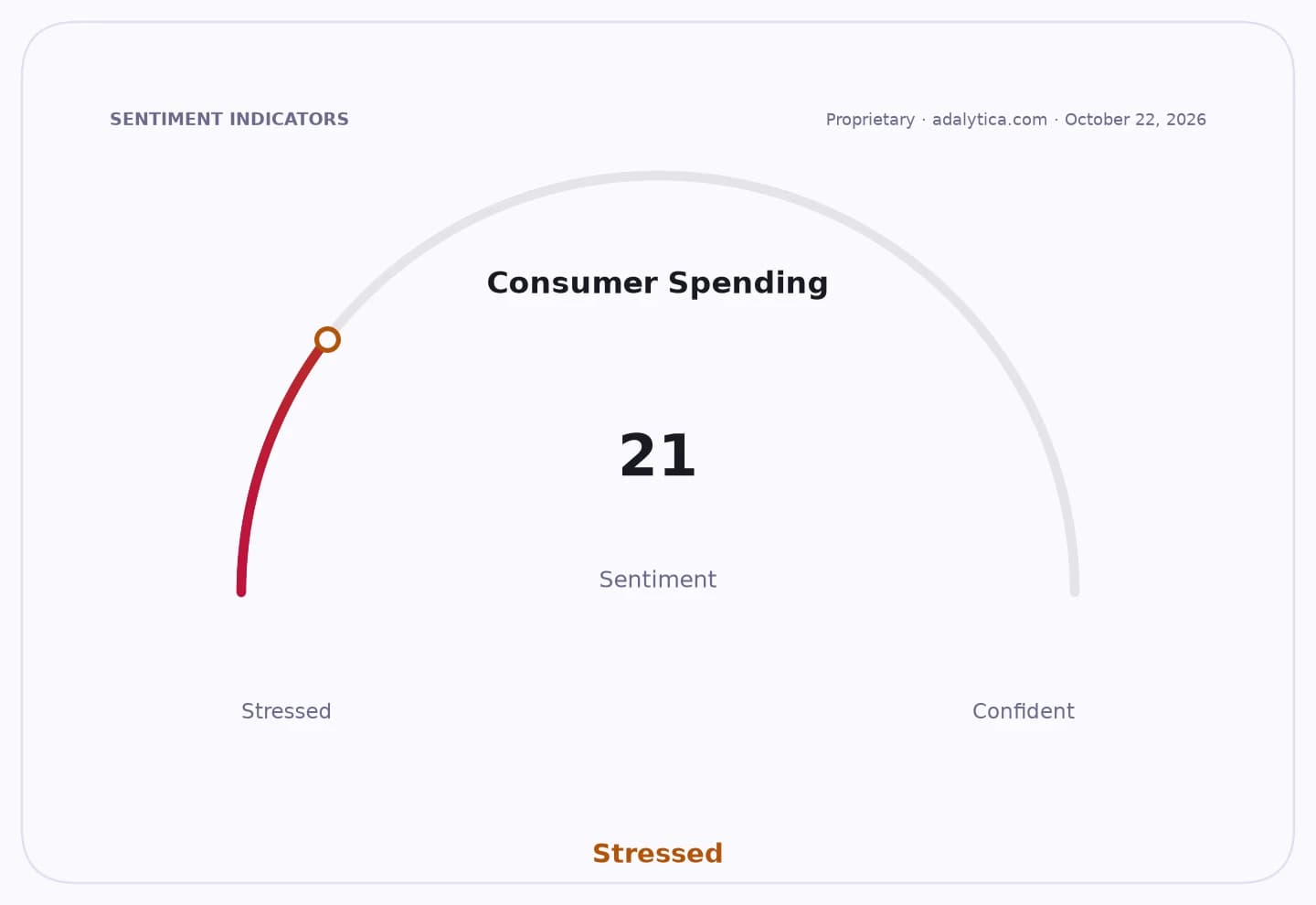
Sentiment IndicatorsⓘProprietary · adalytica.com · October 23, 2026
This is a snapshot — live sentiment, awareness and momentum for 130+ markets update continuously in the dashboard.Open AlphaPulse
That premiumization trend is spreading across the category. Camikara is built from fresh cane juice, Amrut’s Bell is jaggery-based and aged in bourbon barrels, while Amrut Two Indies blends Indian and Caribbean styles. Goa’s Pipa Rum uses port wine casks, and smaller labels such as Maka Zai and Short Story are also trying to carve out a distinct identity for Indian rum.
The commercial opportunity is obvious: premium spirits carry better margins and help producers move away from the low-price, high-volume model that has long defined rum in India. But the category also faces a credibility test. The recent Old Monk controversy, alongside Food Safety and Standards Authority of India scrutiny over labeling, age claims and artificial flavors, has put product classification and transparency under the spotlight.
For investors, the story is less about one brand than about whether India’s spirits market can support a durable premium tier. Diageo’s Indian exposure through the broader spirits market and peers such as Pernod Ricard and United Spirits stand to benefit if consumers trade up, while mass-market incumbents risk pressure if price becomes less decisive than authenticity and taste.
The next test will be whether premium rum can sustain demand beyond niche urban consumers and whether regulators force clearer disclosure on ingredients and aging claims. If both happen, Indian rum could gain a more defined global identity — and a more profitable one.
| Entity | Gains | Losses |
|---|---|---|
| Premium rum makers | ▲Higher margins | ▼Mass-market volume dependence |
| Old Monk and similar value brands | ▲Broad awareness | ▼Premiumization share shift |
| Diageo, Pernod Ricard, United Spirits | ▲Trade-up potential | ▼Labeling scrutiny |
| Regulators and consumers | ▲Clearer disclosure | ▼Fuzzy age/flavor claims |