India’s stock market is trying to stabilize after a bruising slide, and the day’s early gain was driven less by broad conviction than by a narrow, high-quality bid in banks, consumption and energy shares.
India Stocks Stabilize as Banks and Trent Rise
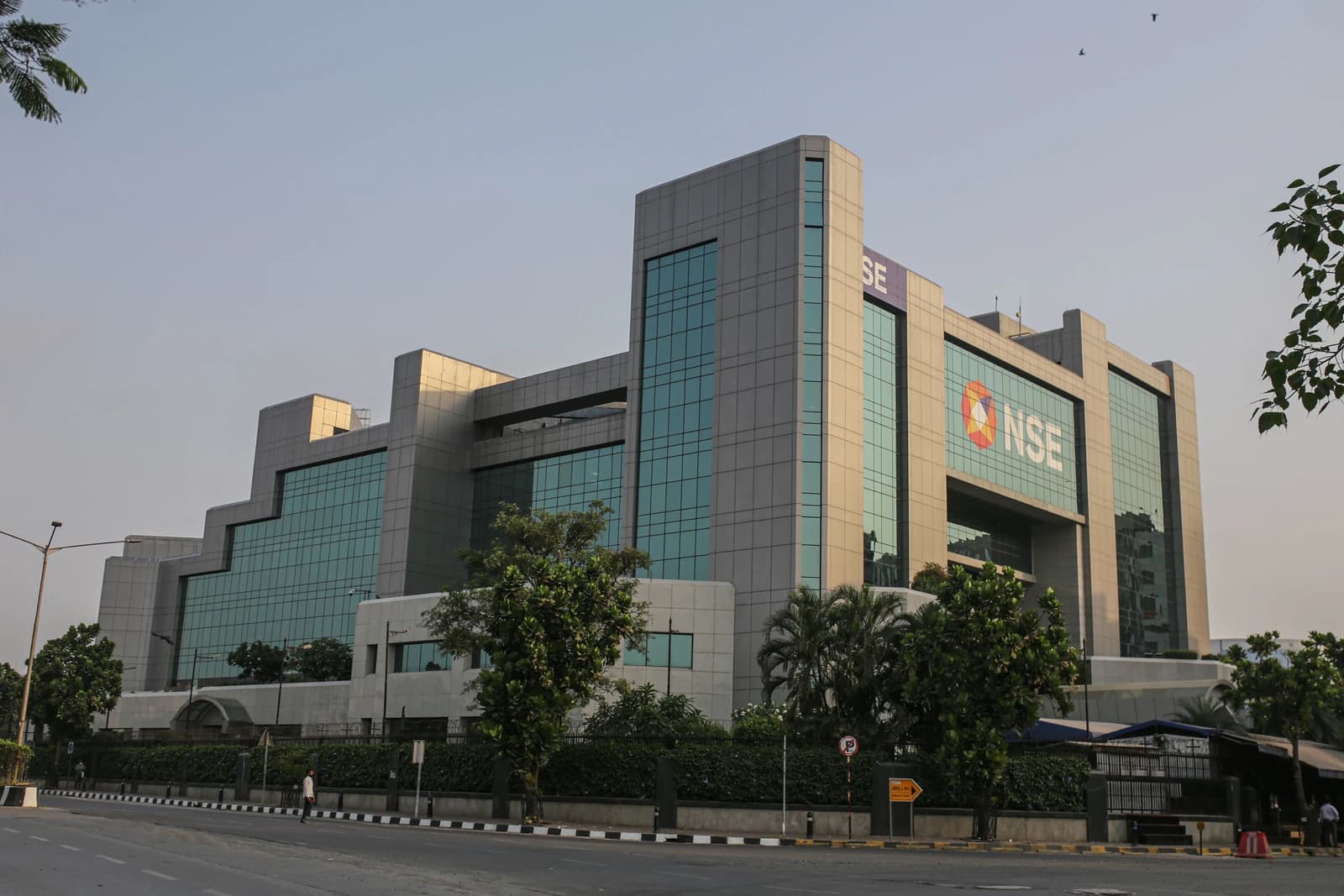
That matters because this is exactly the kind of tape investors watch for when a correction may be exhausting itself: leadership is emerging in large-cap defensives and rate-sensitive names, while the index itself remains anchored near 22,577 on the Nifty and 72,436 on the Sensex. The move is modest — the Sensex rose 53.78 points, or 0.07%, and the Nifty added 21.70 points, or 0.10% — but it shows domestic buyers are still willing to step in when global cues turn favorable.
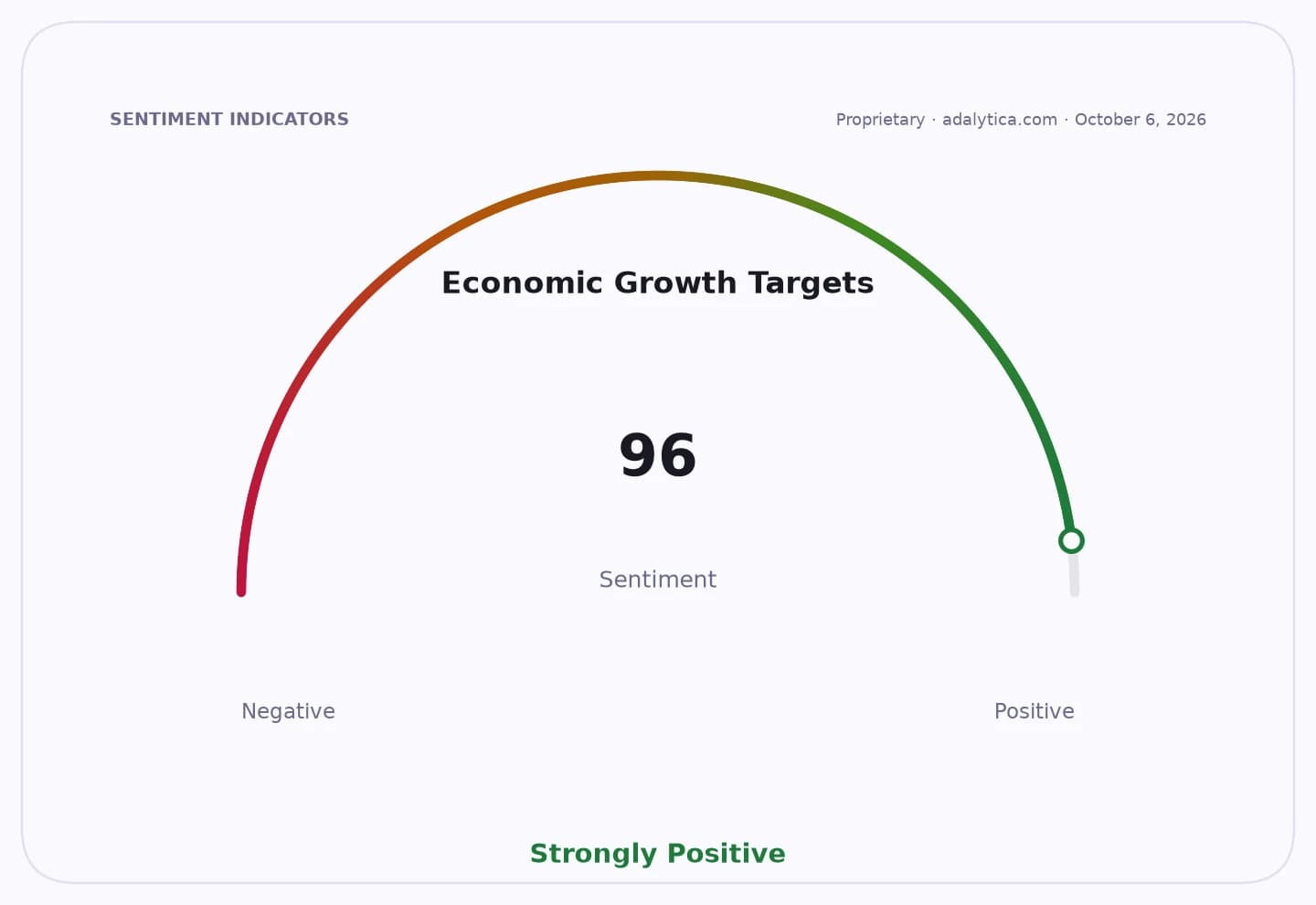
Sentiment IndicatorsⓘProprietary · adalytica.com · October 6, 2026
This is a snapshot — live sentiment, awareness and momentum for 130+ markets update continuously in the dashboard.Open AlphaPulse
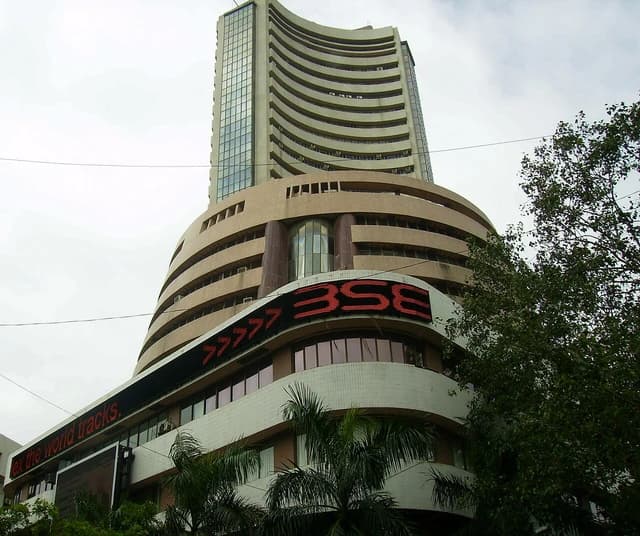
The bigger message for markets is that India is not seeing a full-risk rally; it is seeing selective accumulation. About 1,424 stocks advanced against 821 decliners in early trade, with the strongest support coming from banking, consumer durables and energy. Nifty Bank climbed 0.42% to 54,943.60, while realty gained 0.32%, suggesting investors are leaning back into domestically driven sectors that can benefit if credit demand and consumption hold up.
Trent was the clear outlier, jumping 10% to ₹2,838 and dominating the gainers’ list. Kotak Mahindra Bank rose 3.67%, BSE added 2.14%, Hindustan Unilever advanced 1.59% and Axis Bank climbed 1.19%. Those names matter because they sit at the heart of India’s consumer and financial growth story, and they tend to attract institutional money when investors want exposure without chasing speculative momentum.
Kotak’s strength is especially important for the market’s near-term setup. The stock has already been trying to recover from a sharp pullback, and its technical profile is improving after being deeply oversold earlier this year. On the latest readings, the stock is back above its 50-day moving average, with RSI recovering into the high-40s and MACD turning less negative, which suggests the selling pressure that dominated earlier in the year has eased. That is the kind of setup that can pull in benchmark-linked flows if the broader market steadies.
Trent’s surge tells a different but equally important story: consumption is still the fastest way to express India’s structural growth thesis, even when the macro backdrop is uncertain. When a retail name rallies 10% in a market that is otherwise only marginally higher, investors are signaling they still want exposure to premium domestic demand, not cyclical beta for its own sake.
There are clear losers in the same tape. Apollo Hospitals fell 1.89%, Max Healthcare dropped 1.68%, while Cipla, Tech Mahindra, Infosys, Dr. Reddy’s and Maruti Suzuki all traded lower. That split underlines a market that is still defensive in its preferences and not yet convinced the rebound is broad enough to chase every sector.
The macro backdrop remains the real constraint. India’s market has been under pressure from foreign selling, elevated crude prices and firm US bond yields, and the recent weakness has left investors wary of declaring a durable bottom too early. But that is also why the current pattern matters: when headline indexes stop falling and leadership narrows into banks, consumer names and selective industrials, the next leg often starts from exactly this kind of base.
For investors, the takeaway is clear. This is not the moment to buy the whole market indiscriminately, but it may be the moment to accumulate the strongest domestic franchises while sentiment is still cautious. If the Nifty can hold above 22,500 and banking continues to outperform, the setup favors a rotation into Trent, Kotak, HUL and other quality compounders before broader consensus catches up.
| Entity | Gains | Losses |
|---|---|---|
| Trent | ▲10% breakout | ▼Overheated valuation risk |
| Kotak Mahindra Bank | ▲Recovery in large-cap banking | ▼Recent underperformance |
| Consumer/defensive buyers | ▲Domestic demand exposure | ▼Cyclical laggards |
| Apollo Hospitals, Max Healthcare | ▲— | ▼Profit-taking in healthcare |