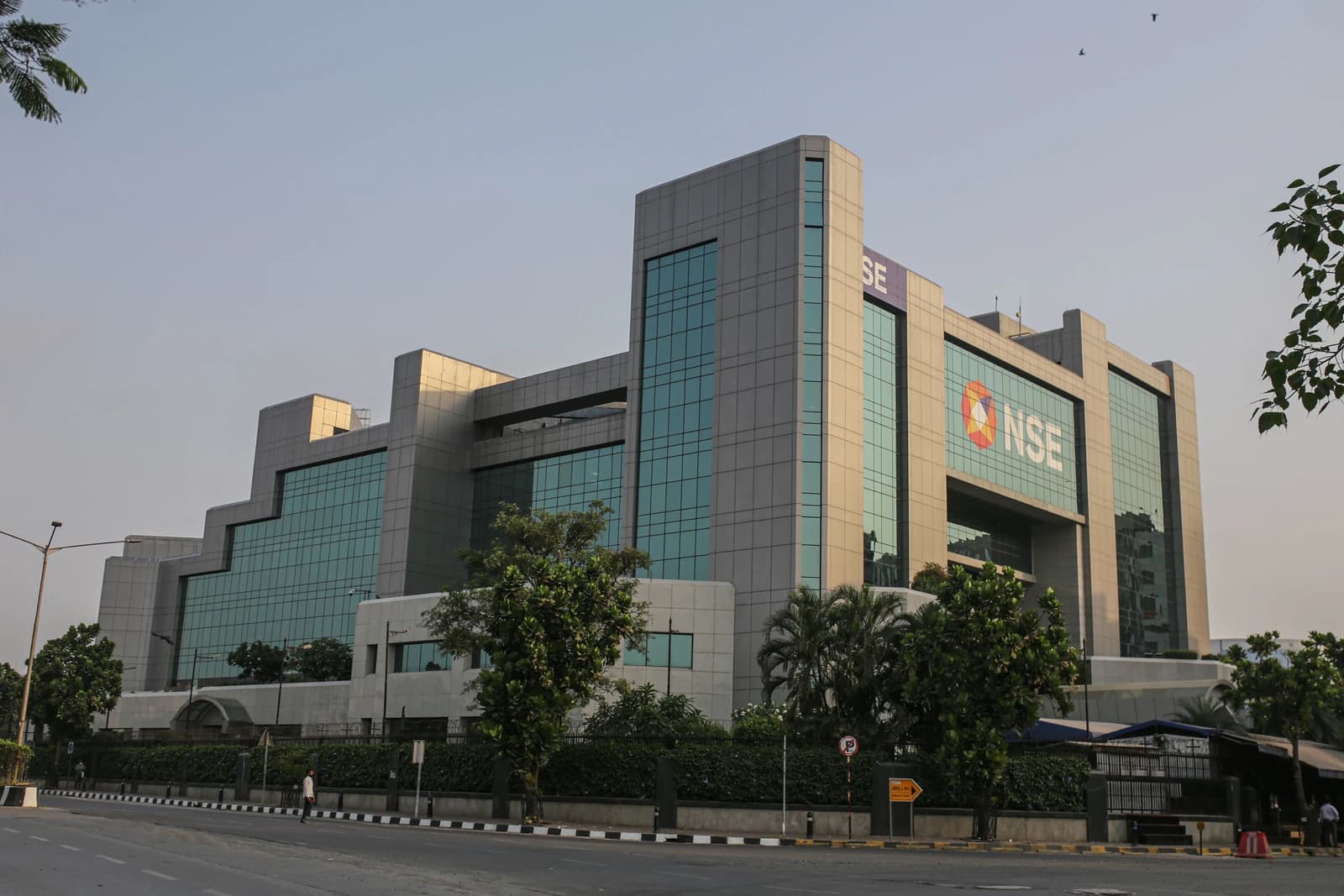
India’s stock market opened firmer on Monday, with the Sensex gaining 125.58 points as banks led the advance ahead of the Reserve Bank of India’s policy announcement, keeping investors focused on whether borrowing costs may rise again.
India Stocks Open Higher Ahead of RBI Policy
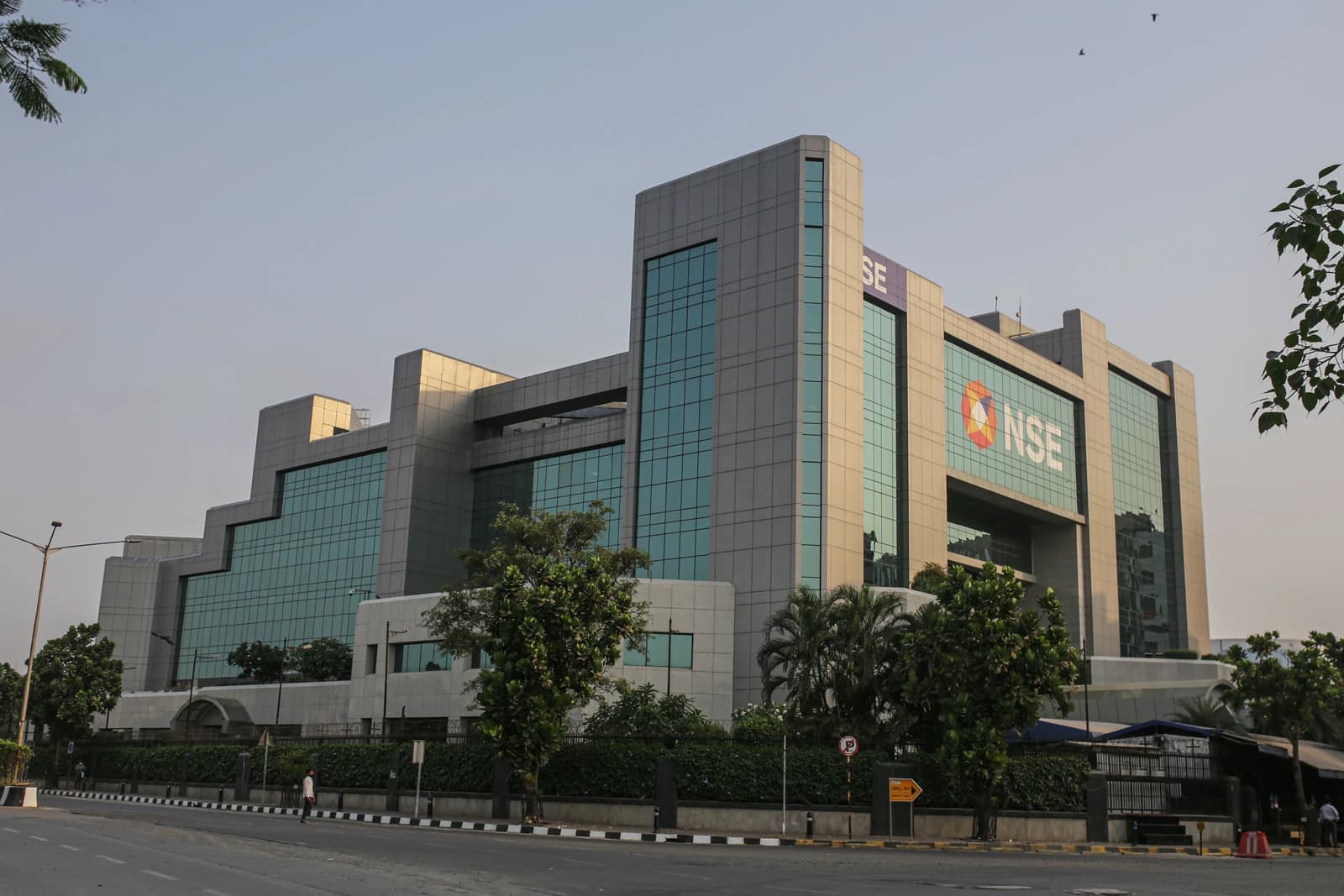
That matters because the banking sector sits at the center of India’s growth story. When banks strengthen, it usually reflects confidence in loan demand, deposit growth and the health of the financial system — but it also means investors are bracing for what the RBI might do to inflation and credit conditions. A rate hike would help the central bank keep price pressures in check, yet it could also lift funding costs for borrowers and test valuation support across rate-sensitive sectors.
Sentiment IndicatorsⓘProprietary · adalytica.com · October 6, 2026
This is a snapshot — live sentiment, awareness and momentum for 130+ markets update continuously in the dashboard.Open AlphaPulse

The Sensex opened at 72,508.05, up 125.58 points, or 0.17%, while 10 of the 16 major sectoral groups traded higher. Bank and financial shares rose about 0.5% each, helped by Axis Bank and Kotak Mahindra Bank after both lenders reported stronger quarterly business updates, including higher lending and deposit growth.
Kotak jumped 3.62% and Axis added 1.51%, giving the sector a clear lead. That is important for long-term investors because Indian banks are not just cyclical trades; they are the funding engine for corporate investment, consumer credit and broader economic expansion. If deposit growth keeps pace with lending, banks can support earnings even in a tighter-rate environment.
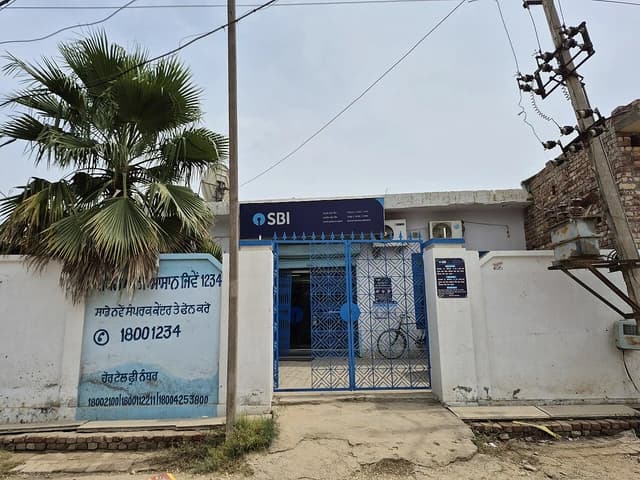
The broader market tone was also constructive. Small-cap stocks rose 0.6% and mid-caps gained 0.2%, suggesting investors were willing to extend risk beyond large banks. Trent was another standout, surging 10.24% after saying standalone revenue for the September quarter is expected to rise 23% from a year earlier, a reminder that India’s consumption story still has room to compound.
Still, the RBI decision is the immediate swing factor. Markets are leaning toward a more hawkish stance as inflation pressures persist, even as global conditions improve and U.S. rate fears ease. For investors, the key question is not just whether the RBI raises rates, but whether it signals a pause afterward. That will shape the earnings outlook for banks, retailers and the wider market.
For long-term investors, the message is straightforward: India’s market strength is increasingly being driven by domestic fundamentals, with banks and consumer-facing companies doing the heavy lifting. The RBI may create short-term volatility, but the bigger story remains whether earnings growth can keep compounding through a higher-rate backdrop. That makes the banking space worth watching, not chasing, as the policy picture clears.
| Entity | Gains | Losses |
|---|---|---|
| Bank stocks | ▲Stronger lending momentum | ▼Higher funding costs |
| RBI | ▲Inflation credibility | ▼Market pressure if hawkish |
| Borrowers | ▲Faster credit availability | ▼Costlier loans |
| Equity investors | ▲Better earnings visibility | ▼Policy uncertainty |