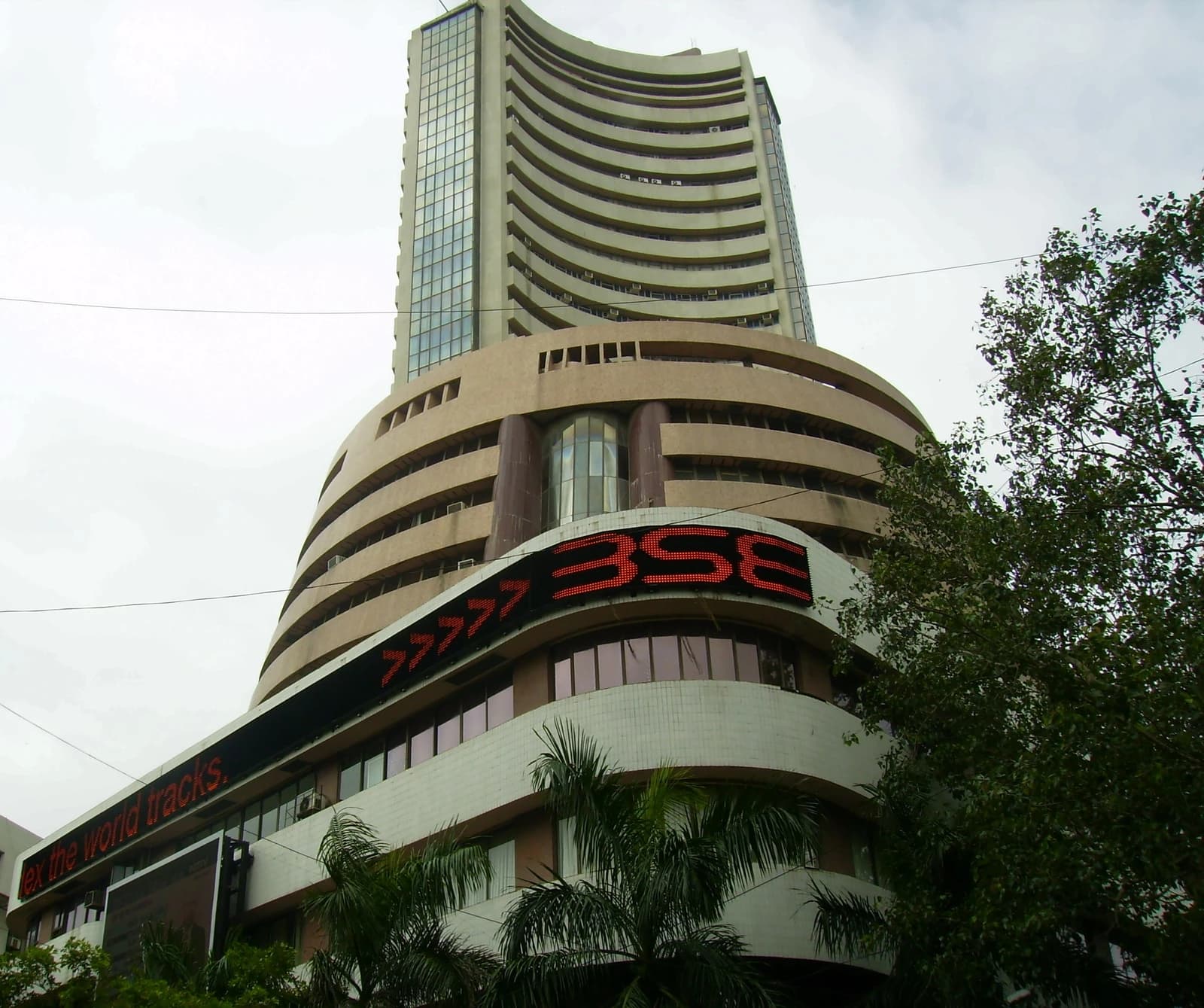
Indian stocks opened lower on Monday as a jump in crude prices and rising tensions in the Middle East revived a familiar worry for investors: India imports most of the oil it consumes, so every extra dollar in crude can filter quickly into inflation, the current account and corporate margins.
India Stocks Fall as Crude Prices Rise

The Sensex slipped 162.53 points, or 0.21%, to open at 75,970.28, after the benchmark had already dropped to a six-week low in the prior session. The broader tone was weak, with nine of 16 major industry groups in the red, while small-cap and mid-cap shares were little changed.
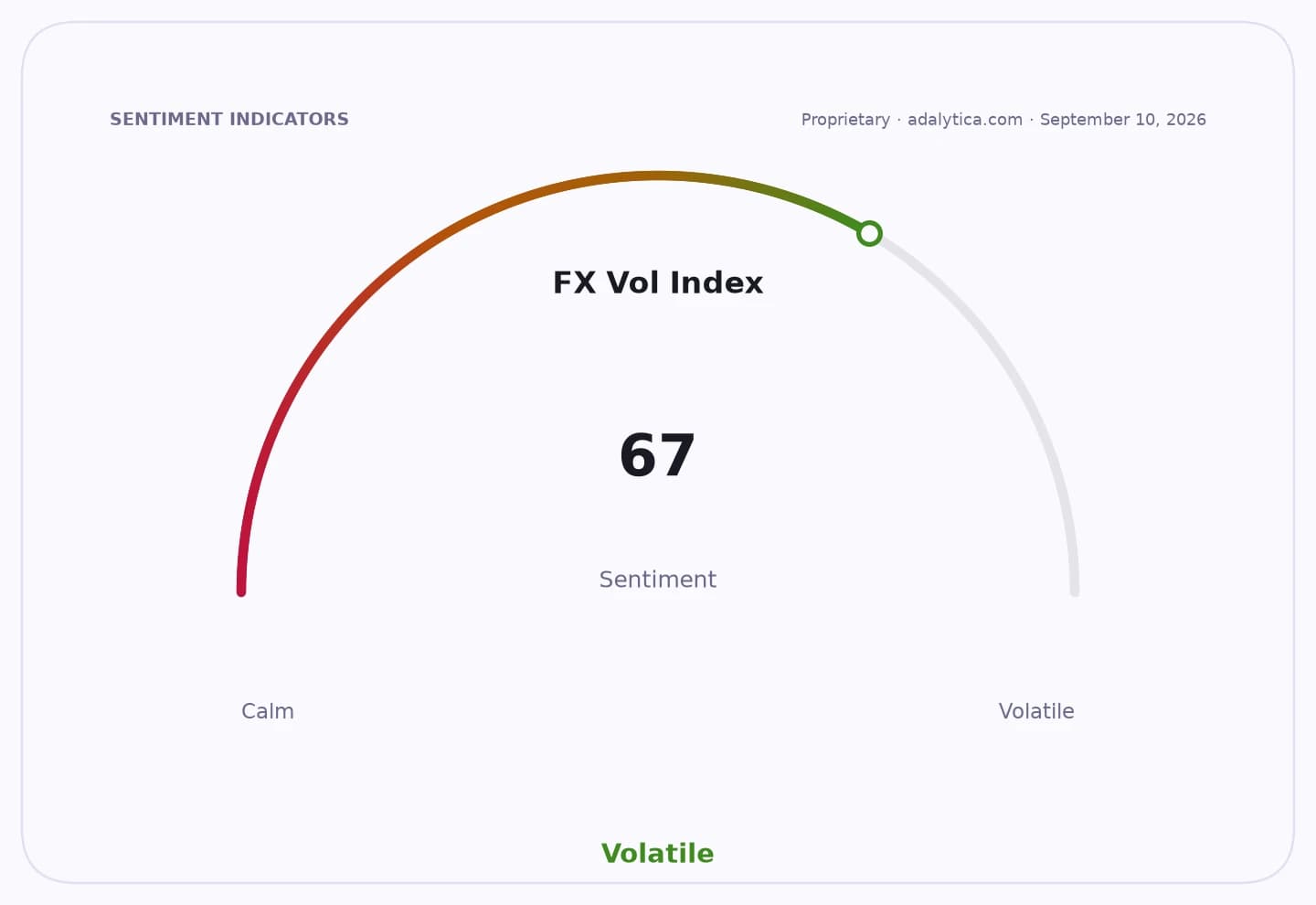
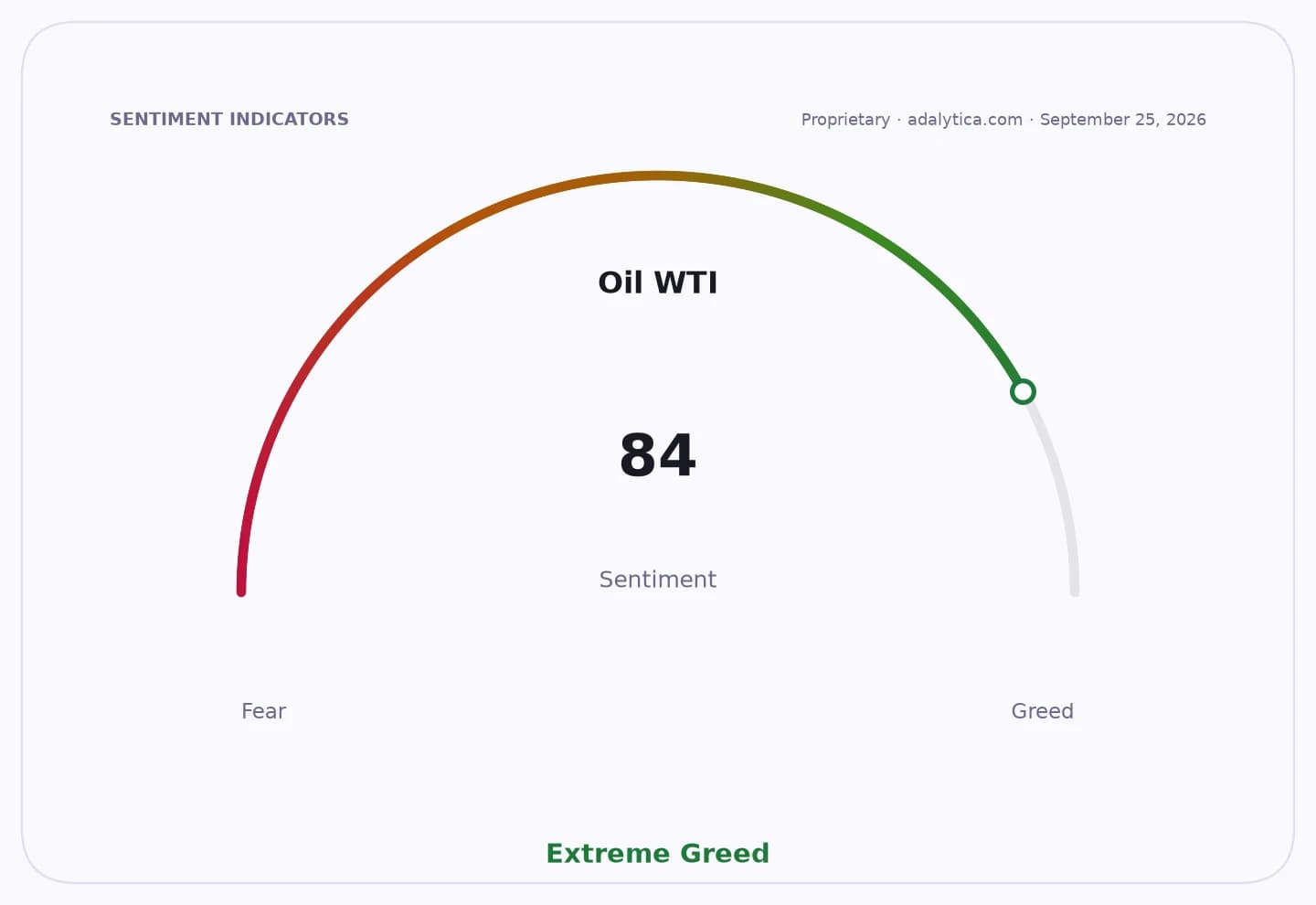
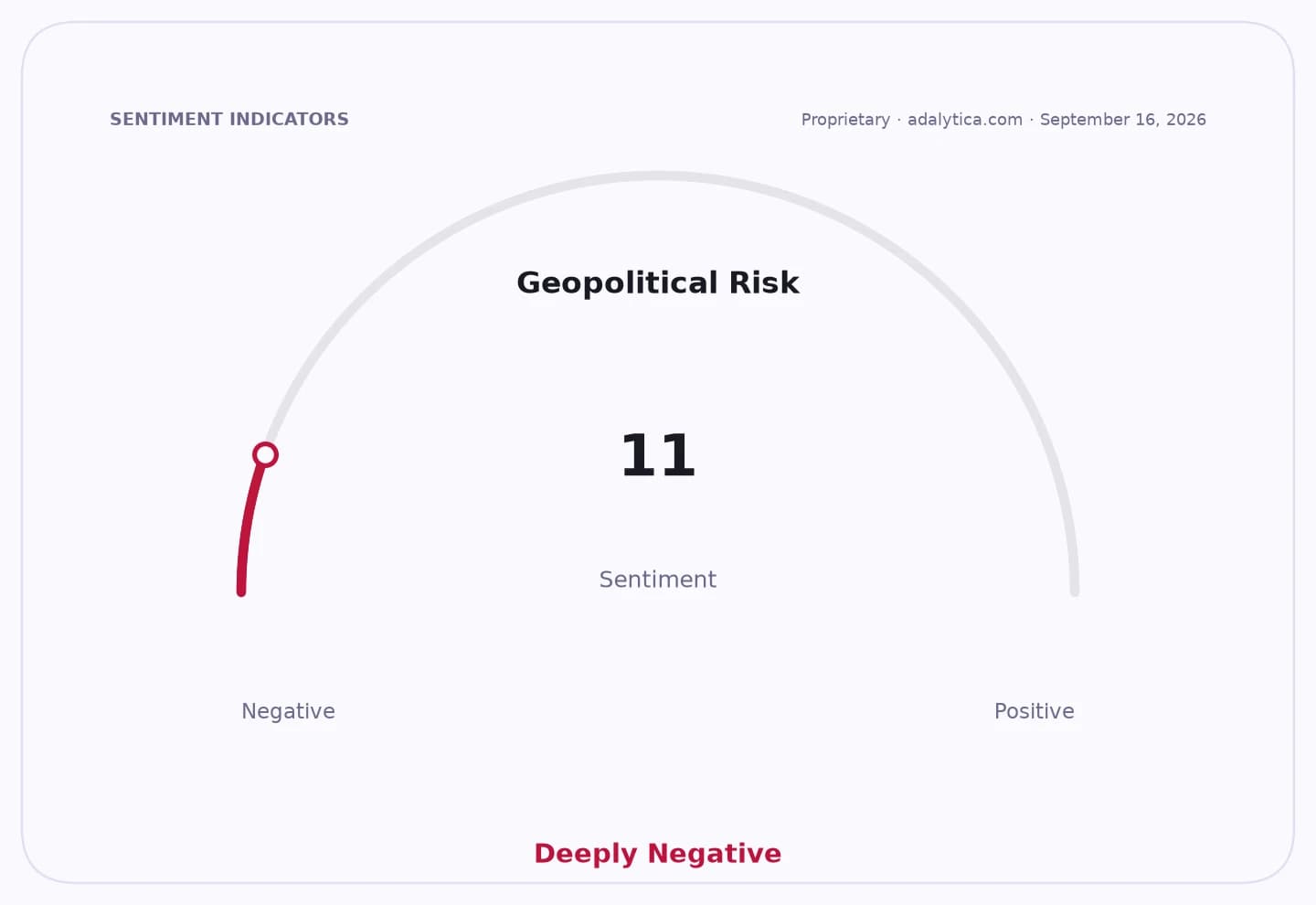
Sentiment IndicatorsⓘProprietary · adalytica.com · September 8, 2026
This is a snapshot — live sentiment, awareness and momentum for 130+ markets update continuously in the dashboard.Open AlphaPulse
For investors, the bigger issue is not the size of Monday’s move but the economic transmission mechanism behind it. Brent crude was holding near $97 a barrel in the data provided, and another source estimate showed global crude above $100 as conflict risks widened. India remains heavily exposed because about 85% of its crude needs are met through imports. That means higher oil prices can pressure the rupee, lift transport and input costs, and narrow profit margins across sectors that do not have strong pricing power.
The geopolitical backdrop is doing the work here. Iran’s warning that it could retaliate against U.S. assets if Tehran is attacked raised the risk that energy infrastructure across the Gulf could be caught in any broader escalation. Markets do not need an actual supply disruption to reprice risk; they usually move on the chance that one may be coming.
That is why energy is the main variable investors should watch, not just the day-to-day swings in the Sensex. Higher crude tends to help upstream oil producers and exporters, but it usually hurts airlines, refiners facing inventory swings, transport names, chemicals and other fuel-intensive businesses. It can also make it harder for policymakers to keep inflation under control, especially if the shock lasts.
Some of the market’s caution is visible in the exchange-traded fund tracking India, where INDA was trading below its 50-day moving average and near its 200-day moving average, while RSI readings sat around the middle of the range rather than showing panic. That suggests this is more a repricing of a macro risk than a capitulation event.
The long-term question for investors is whether India can keep growing through an oil shock. The answer depends on how long crude stays elevated and whether the conflict remains contained. If energy markets stabilize, this could be a short-lived drag. If they do not, the pressure on earnings, inflation and policy flexibility will matter far more than the morning’s point loss on the Sensex. For long-term investors, this is a reminder to stay diversified, watch energy costs closely and keep an eye on companies with real pricing power.
| Entity | Gains | Losses |
|---|---|---|
| Oil producers | ▲Higher realized prices | ▼Fuel users |
| Import-dependent India | ▲None | ▼Higher inflation and import bill |
| Sensex bulls | ▲Potential dip-buying entry points | ▼Near-term market weakness |
| Airlines, transport, industry | ▲None | ▼Margin pressure from pricier fuel |