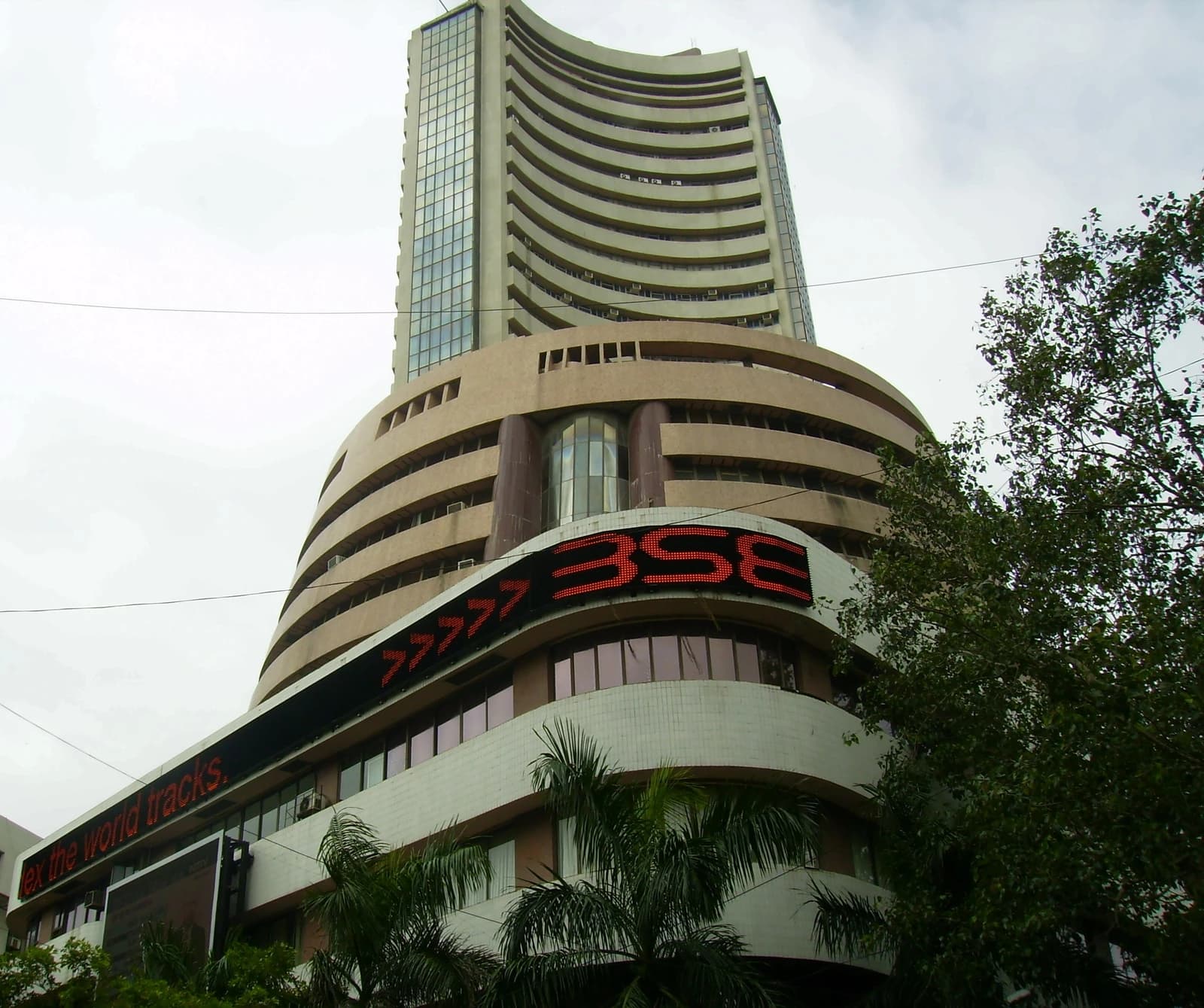
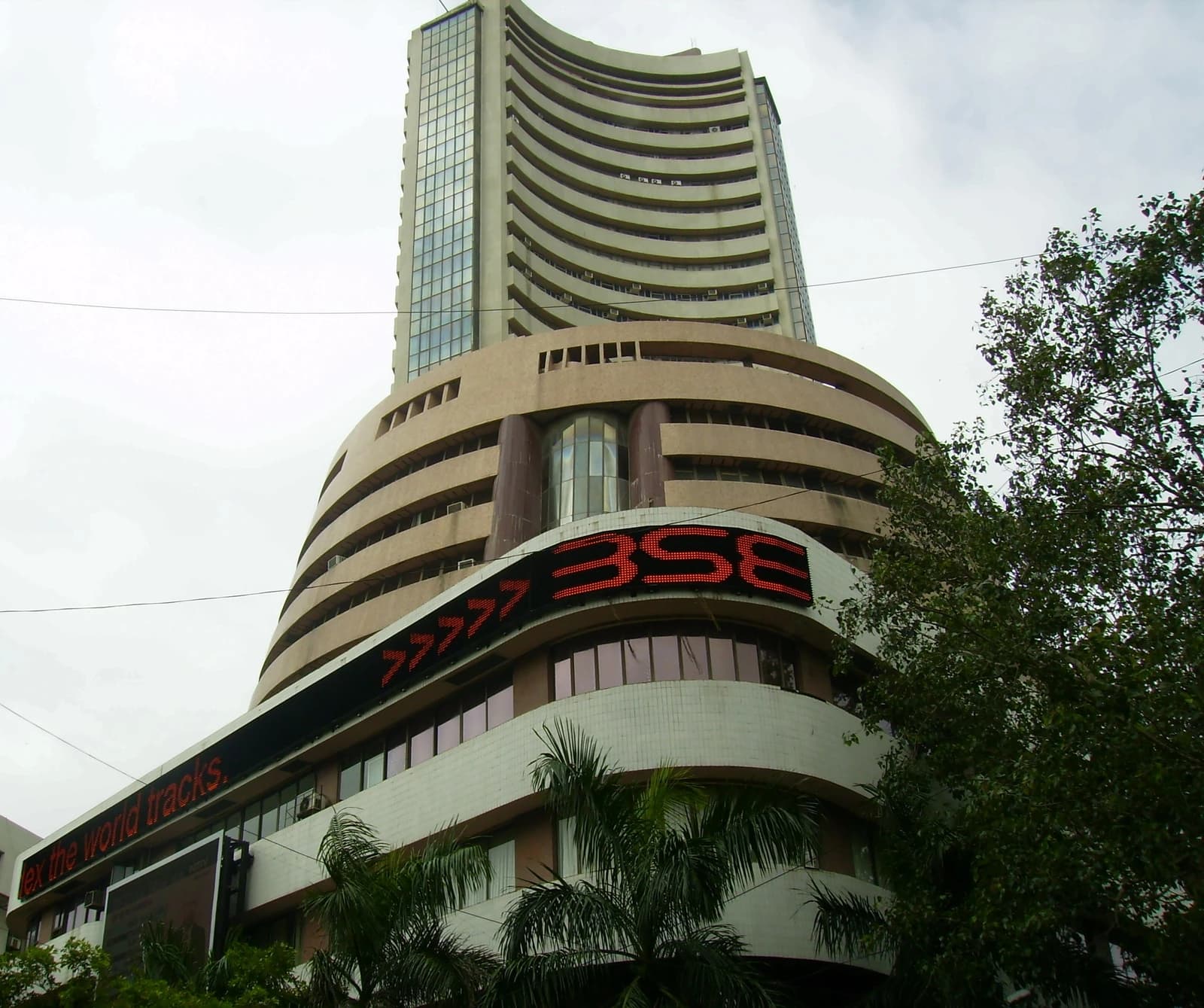
Indian equities opened higher on Tuesday, tracking a broad recovery in global markets as softer crude prices and lower US Treasury yields improved risk appetite and eased pressure on inflation-sensitive assets.
India stocks rise as oil and yields ease

The benchmark BSE Sensex was up 42.51 points, or 0.06%, at 74,901.50 in early trade, while the NSE Nifty gained 39.75 points, or 0.17%, to 23,454.05. The move followed a stronger Wall Street finish overnight and firmer trading across Asian bourses, with South Korea’s Kospi, Shanghai’s SSE Composite and Hong Kong’s Hang Seng all in positive territory.
Sentiment IndicatorsⓘProprietary · adalytica.com · September 26, 2026
This is a snapshot — live sentiment, awareness and momentum for 130+ markets update continuously in the dashboard.Open AlphaPulse

The immediate market significance is less about the opening gains themselves than about the easing of two major cross-asset pressures: oil and bond yields. Brent crude was quoted at $101.1 a barrel, while US 10-year yields have also cooled from recent highs, according to market participants. For Indian investors, that combination matters because it supports foreign risk appetite, reduces imported inflation risk and lowers the odds of further near-term margin pressure for companies exposed to fuel and transport costs.
A softer oil backdrop is particularly important for India, which remains a large importer of crude. Lower energy costs can ease the current account burden, improve the inflation outlook and give policymakers more room to manage growth without leaning harder on monetary restraint. That is one reason domestic equities often react quickly to crude moves, especially in sectors such as aviation, autos, paints and consumer discretionary stocks.
DCOILWTICO vs DGS10 — macro contextadalytica.com
Explore this data interactively — full history, time series and cross-market comparisons.Open AlphaPulse
Trading reflected that sector split. HDFC Bank, Adani Ports, Eternal, InterGlobe Aviation, Maruti and Asian Paints were among the early gainers in the 30-share Sensex, while HCLTech, Infosys, Tech Mahindra, Tata Consultancy Services and Sun Pharma lagged. That pattern suggests the market was favoring cyclical and consumption-linked names over export-heavy technology stocks, which tend to benefit more from a weaker rupee and less from a pure risk-on move.
The global setup also helped. US markets closed sharply higher on Monday, and investors were encouraged by signs that geopolitical tensions in the Middle East may not escalate as quickly as feared, even though Iran and the US exchanged threats over the weekend. Traders are also parsing the possibility of a meeting between US President Donald Trump and Iranian President Masoud Pezeshkian at the UN General Assembly, a development that could matter for oil supply expectations if it lowers the risk premium embedded in crude.
In India, foreign institutional investors sold equities worth Rs 576.20 crore on Monday, a reminder that the domestic rally still depends on sustained global support to absorb overseas outflows. The market has nevertheless been resilient, with the Sensex rising 564.03 points on Monday and the Nifty extending gains for a fourth session.
The broader narrative is that Indian stocks are trading as part of a global risk-on rebound, but the durability of the move will hinge on whether crude stays contained and whether Treasury yields keep easing. If oil resumes climbing, the relief rally could narrow quickly; if energy prices and yields remain subdued, the case strengthens for further gains in domestic cyclicals and rate-sensitive sectors.
| Entity | Gains | Losses |
|---|---|---|
| Indian equities | ▲Better risk appetite | ▼None in the near term |
| Oil importers / India | ▲Lower inflation pressure | ▼Energy-linked cost relief fades if crude rebounds |
| Cyclicals, banks, autos, aviation | ▲Stronger domestic sentiment | ▼Defensive growth names lag |
| IT exporters | ▲Stable global growth backdrop | ▼Rotation toward oil-sensitive sectors |