Sugar prices are being driven less by domestic policy and more by global supply, demand and production costs, with Indian minister Nitin Gadkari saying the market now responds to international forces that no government can fully control.
India Sugar Prices, Brazil Costs, and Market Pressure

That matters because sugar is both a consumer staple and a politically sensitive farm product. When prices swing, they feed directly into food inflation, mill margins and farmer incomes, while also shaping how much governments can do to shield households from volatility.
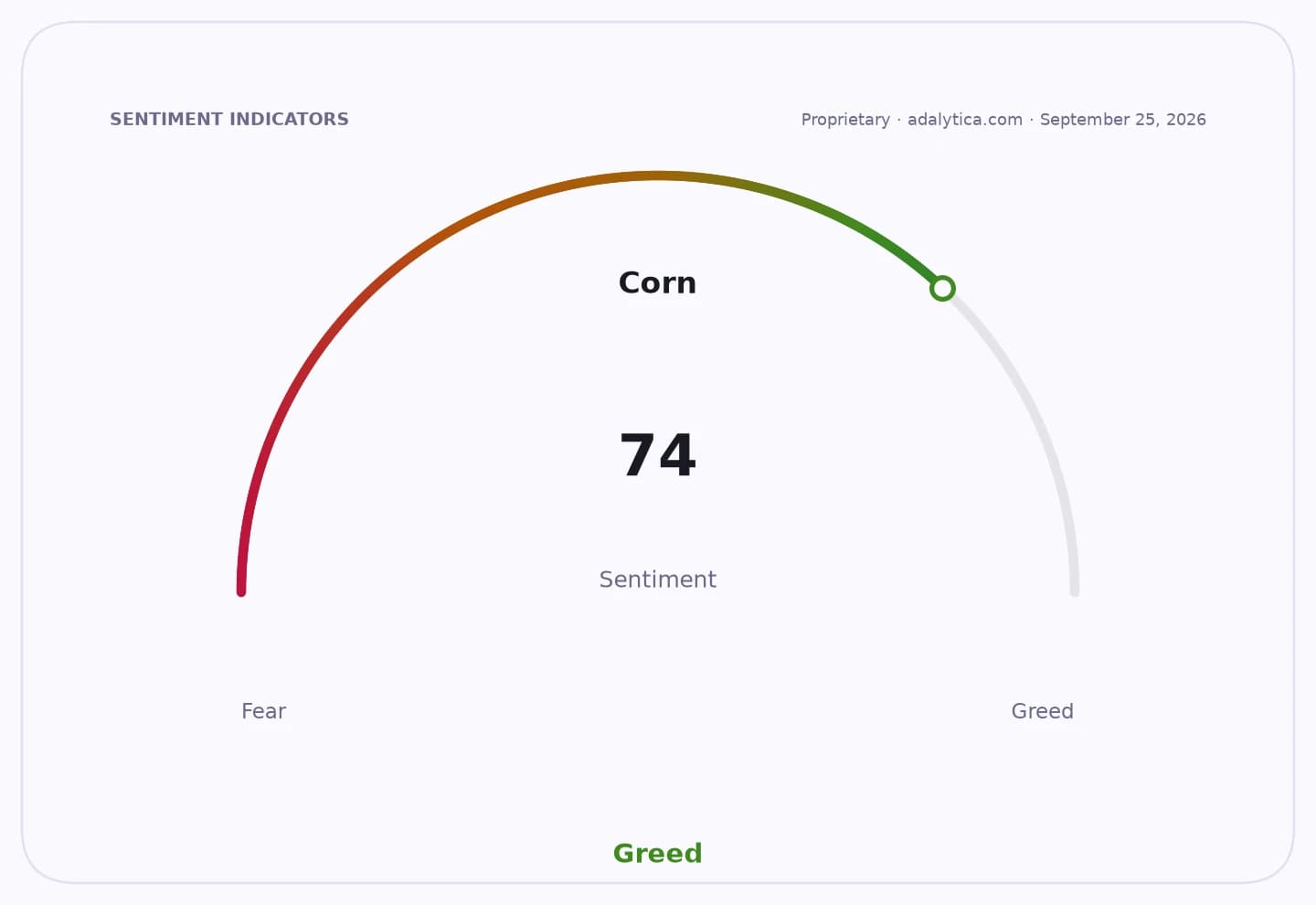
Sentiment IndicatorsⓘProprietary · adalytica.com · September 27, 2026
This is a snapshot — live sentiment, awareness and momentum for 130+ markets update continuously in the dashboard.Open AlphaPulse
Gadkari’s comments, made at a National Federation of Cooperative Sugar Factories event, land at a moment when Indian industry players are pressing for higher minimum support prices even as local retail sugar prices have already fallen to about 70 rupees a kilogram in some markets. The broader message is that the old model of treating agricultural prices as a purely domestic policy choice is fading in a globalized commodity system.
Brazil sits at the center of that story. Gadkari said sugar production costs there are about 23 rupees a kilogram, versus roughly 33 to 34 rupees in India, thanks to heavier mechanization and lower costs. That cost gap matters for investors because it gives Brazilian producers a structural advantage, and any surplus from Brazil can pressure both world prices and Indian domestic pricing.
The recent move in sugar also fits a wider commodity backdrop. Sugar prices have recently fallen nearly 10%, with retail rates dropping from Rs 54 to Rs 48 a kilogram within a week, even as the government lifted stock limits for wholesale users to support supply ahead of the festive season. The policy response may help smooth the market in the short run, but it does not change the fact that global production cycles are increasingly setting the tone.
For long-term investors, the bigger takeaway is that the sugar industry is becoming a story about adaptation, not just output. Gadkari’s push for biomass, products made from crop residue, organic fertilizer and other value-added lines reflects a simple truth: mills that rely only on sugar face tighter margins than those that build multiple revenue streams.
That is important for listed agriculture and commodity exposure more broadly. Producers and exporters with lower costs, better scale and flexibility will fare better than operators dependent on policy protection or a single product line. Over time, the winners are likely to be the businesses that treat sugar as one part of a larger bio-based platform, not a standalone crop.
| Entity | Gains | Losses |
|---|---|---|
| Indian sugar mills with diversified output | ▲New revenue streams | ▼Pure-play sugar dependence |
| Brazilian producers | ▲Low-cost export edge | ▼Indian high-cost mills |
| Consumers | ▲Short-term price relief | ▼- |
| Governments | ▲More flexibility on policy | ▼Less ability to set prices |