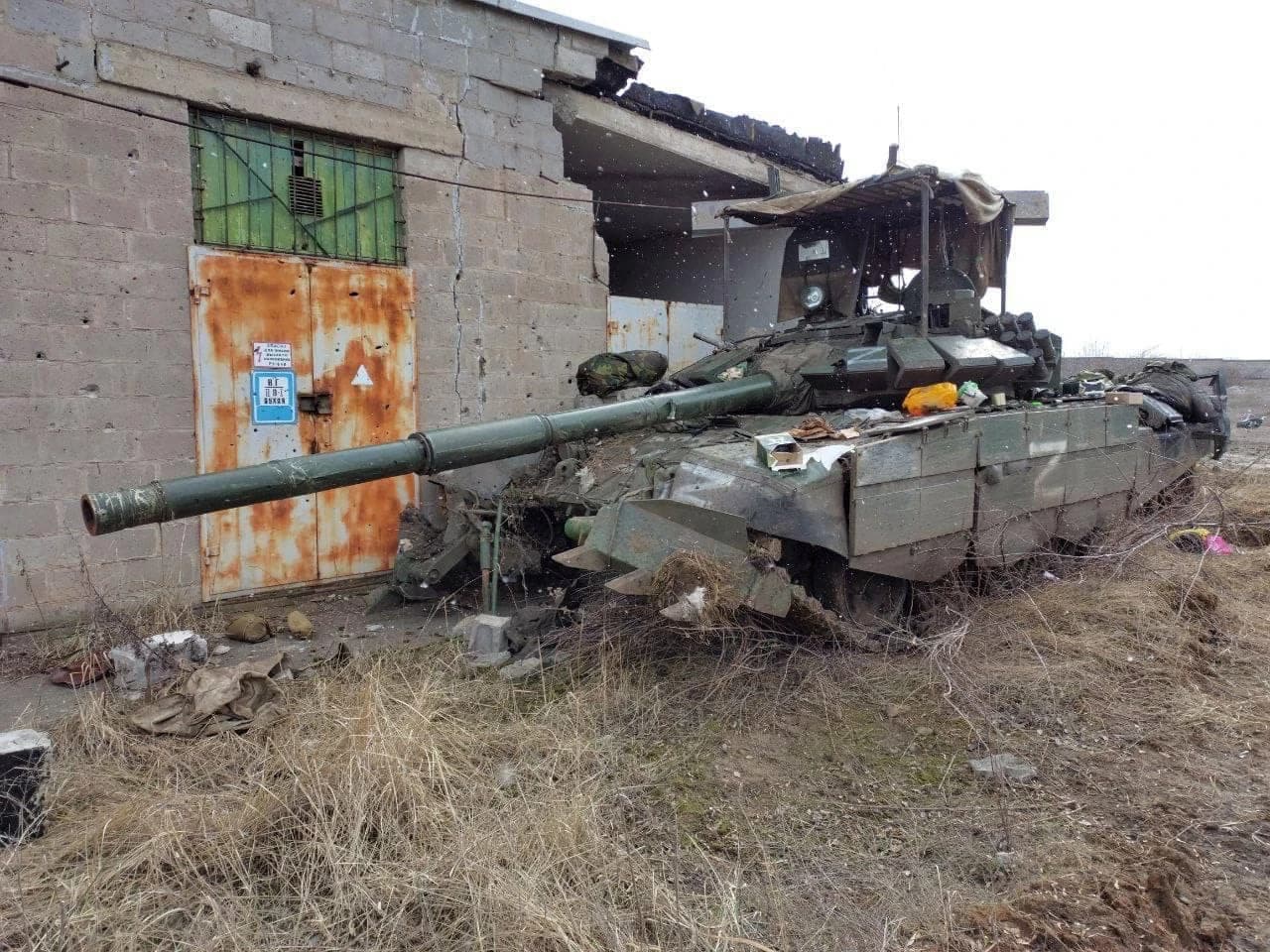
India signaled it wants to stay central to any path toward ending the Russia-Ukraine war after Prime Minister Narendra Modi spoke with Ukrainian President Volodymyr Zelensky and urged a settlement through talks and diplomacy, while also backing efforts to protect grain shipments and food security.
India Discusses Ukraine Grain Corridors With Zelensky
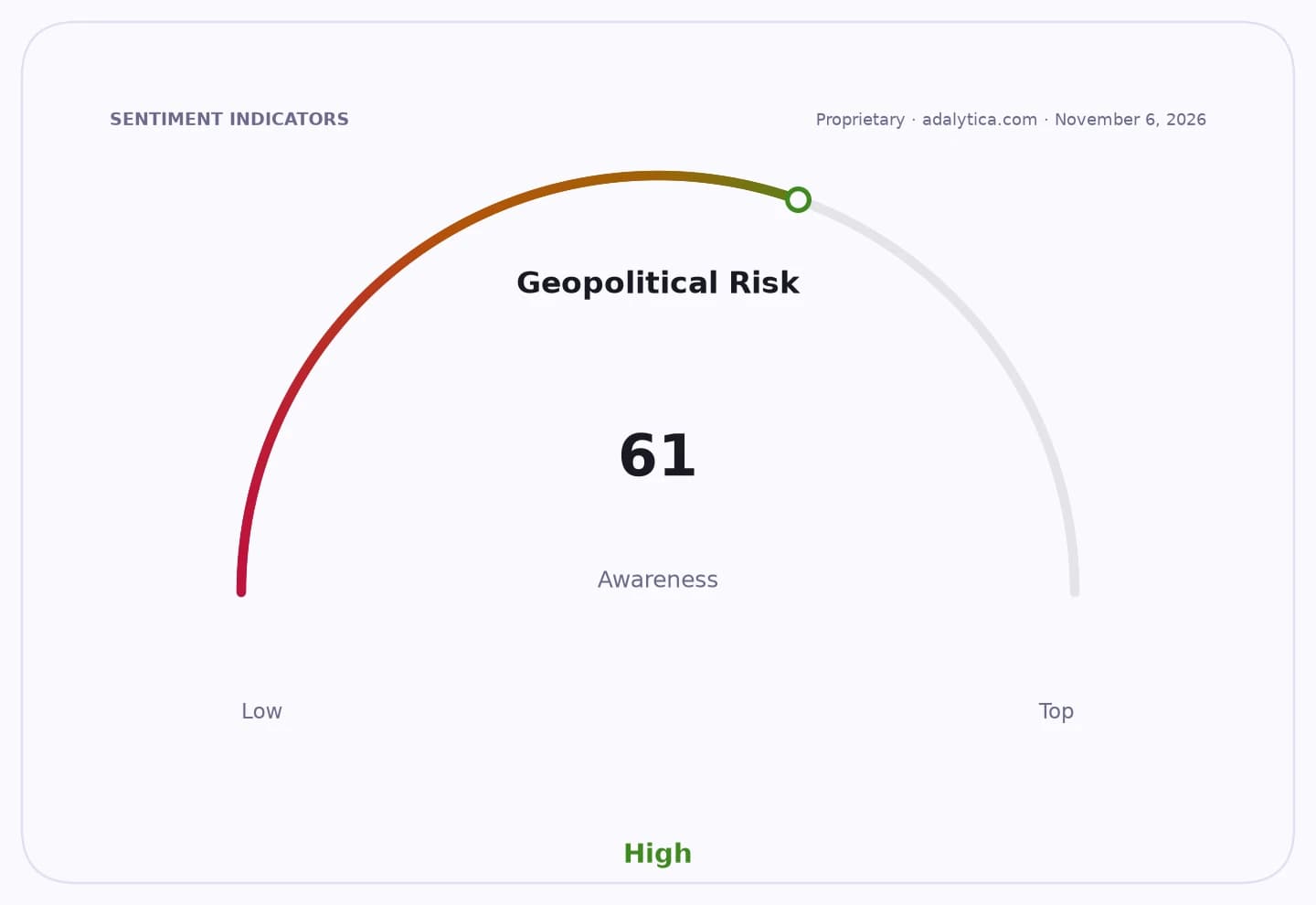
Geopolitical Risk
The call matters because it reinforces New Delhi’s effort to position itself as a diplomatic intermediary at a time when the war is still pressuring global supply chains, keeping geopolitical risk elevated and complicating Europe’s security landscape. For investors, that makes India’s stance relevant not just as foreign policy, but as a factor in commodity markets, shipping routes and broader risk appetite.
Sentiment Indicators
Zelensky said he discussed recent diplomatic developments and preparations for a meeting in Abu Dhabi, and pressed for Russia to de-escalate. Modi reiterated that India supports all efforts toward a peaceful resolution and that humanitarian concerns remain a priority, according to the account of the call.
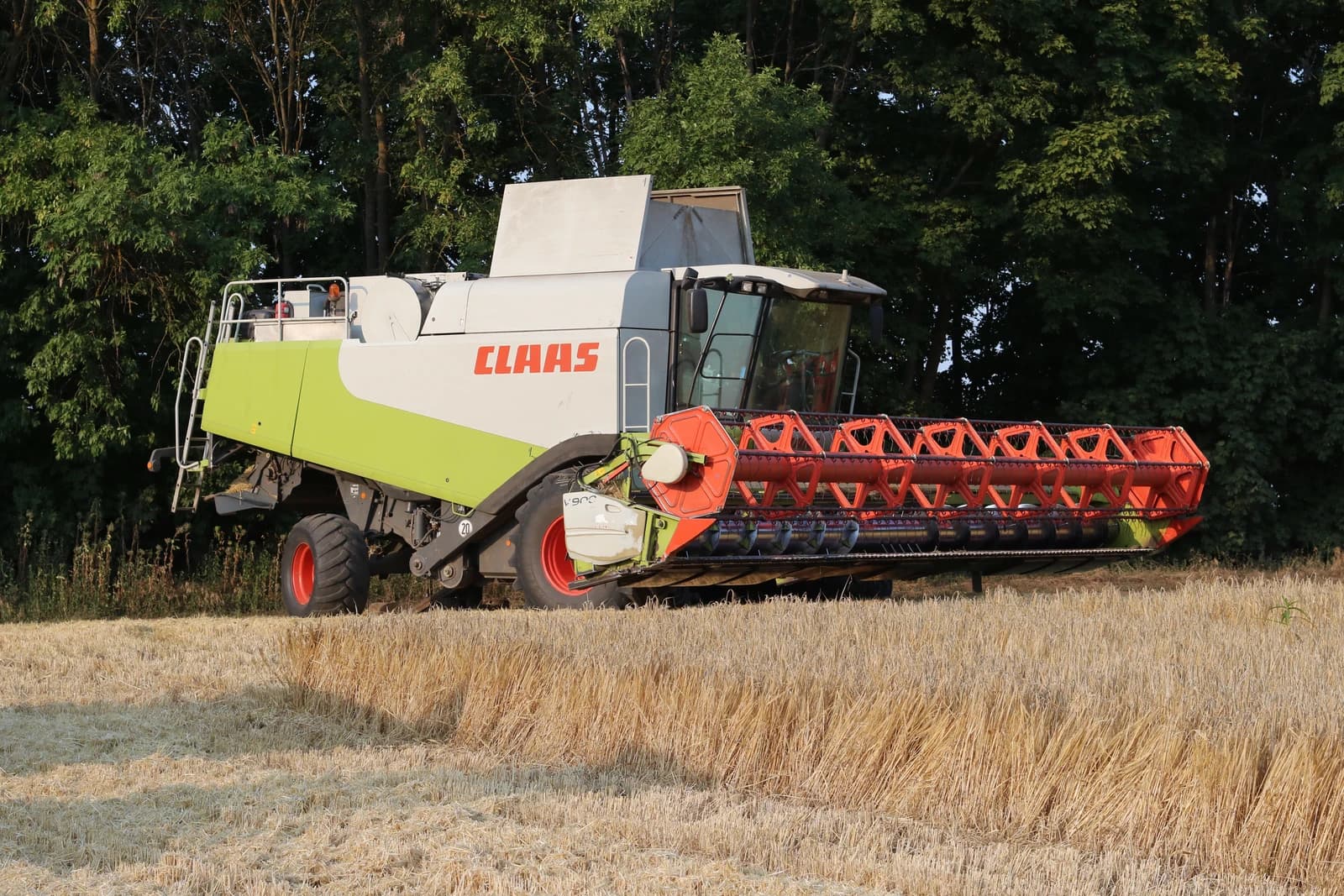
Food security remains one of the most economically sensitive offshoots of the war. Zelensky said he raised Russia’s obstruction of grain exports across the Black Sea and suggested India could help mediate special routes for food shipments. Any meaningful easing of grain logistics would matter for global wheat and corn markets, where Ukraine remains an important supplier and where disruptions can quickly feed through into food inflation in import-dependent economies.
That is why the diplomacy also has a market dimension. Grain and broader agricultural prices often react not only to battlefield developments but to signals about export corridors, insurance costs and the durability of shipping access. Conventional technical indicators for wheat-linked ETF WEAT show the fund still trading below its 50-day moving average, with momentum cooling after an earlier rally, suggesting markets have not yet priced a sustained supply shock from the latest diplomatic headlines.
Broader risk gauges point in the same direction. Adalytica’s Global Stability Sentiment remains at “Extreme Fear,” while its Gold Fear & Greed Index is in “Fear,” underscoring how war-related headlines continue to support demand for defensive assets even when no immediate escalation appears imminent. By contrast, agriculture-focused exposure has also stayed volatile, with DBA below its 50-day average, reflecting uncertainty rather than a clean inflation trade.
For India, the upside is diplomatic leverage. A credible mediating role would burnish its profile with both Western capitals and the Global South, where food insecurity and energy costs remain politically sensitive. The risk is that the effort yields symbolism more than substance if Moscow and Kyiv remain far apart on terms for any ceasefire or corridor arrangement.
For investors, the key watchpoint is whether this kind of contact translates into anything measurable: more stable Black Sea grain flows, lower shipping risk premia, or a de-escalation in the broader geopolitical backdrop. Until then, the war remains less a single event than a persistent source of volatility across commodities, safe-haven assets and emerging-market diplomacy.
| Entity | Gains | Losses |
|---|---|---|
| India | ▲Diplomatic relevance | ▼Pressure to deliver results |
| Ukraine | ▲Support for grain corridors | ▼Continued war uncertainty |
| Global food importers | ▲Lower inflation risk | ▼Supply disruption fears |
| Russia | ▲Negotiating channel | ▼Diplomatic isolation |