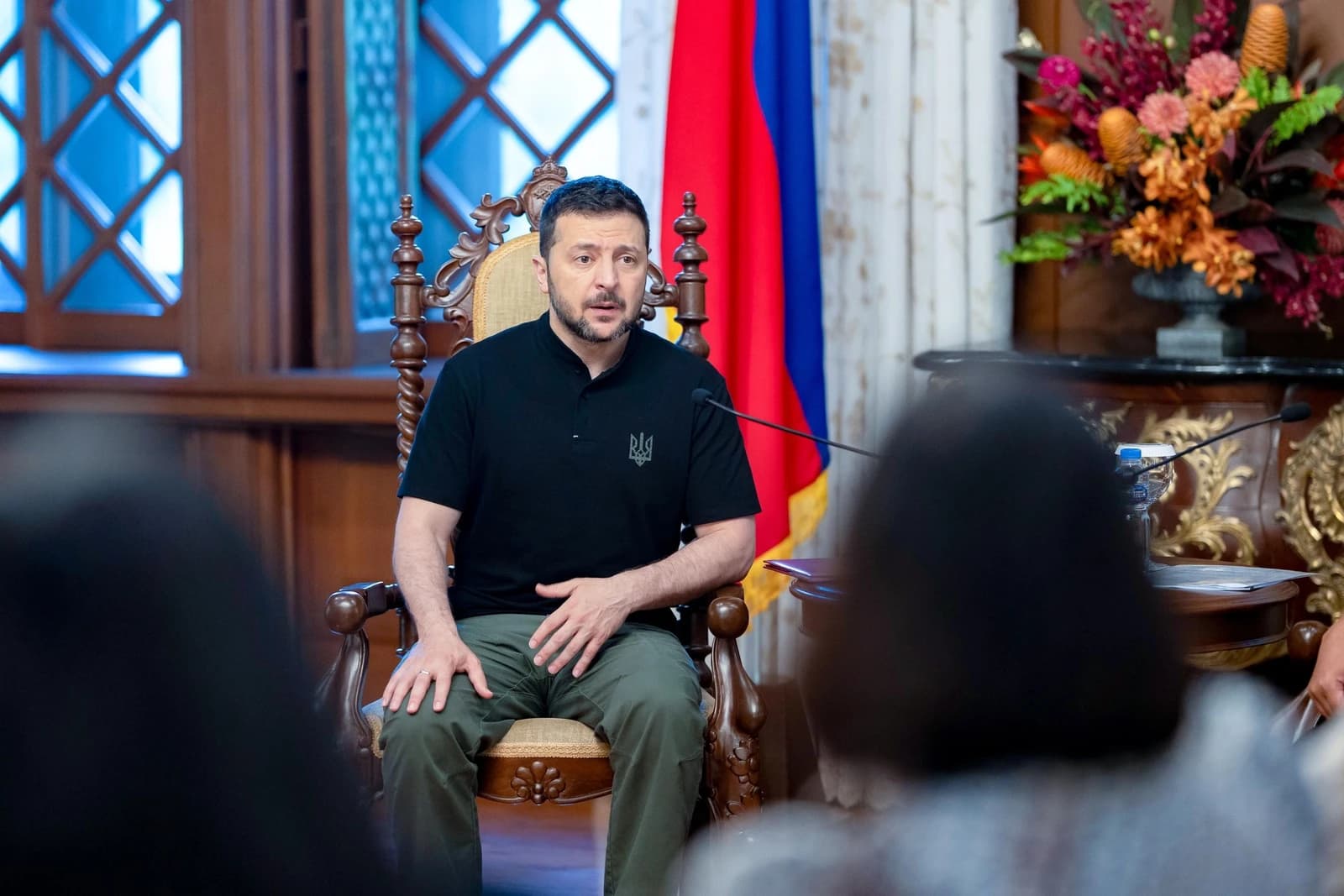
The West’s refusal to face the arithmetic of the Russia-Ukraine war is pushing Kyiv toward a deeper strategic and economic trap, former U.S. Army officer Daniel Davis says, warning that talk of “victory” is prolonging destruction rather than producing leverage.
Russia-Ukraine war keeps defense and gold in focus
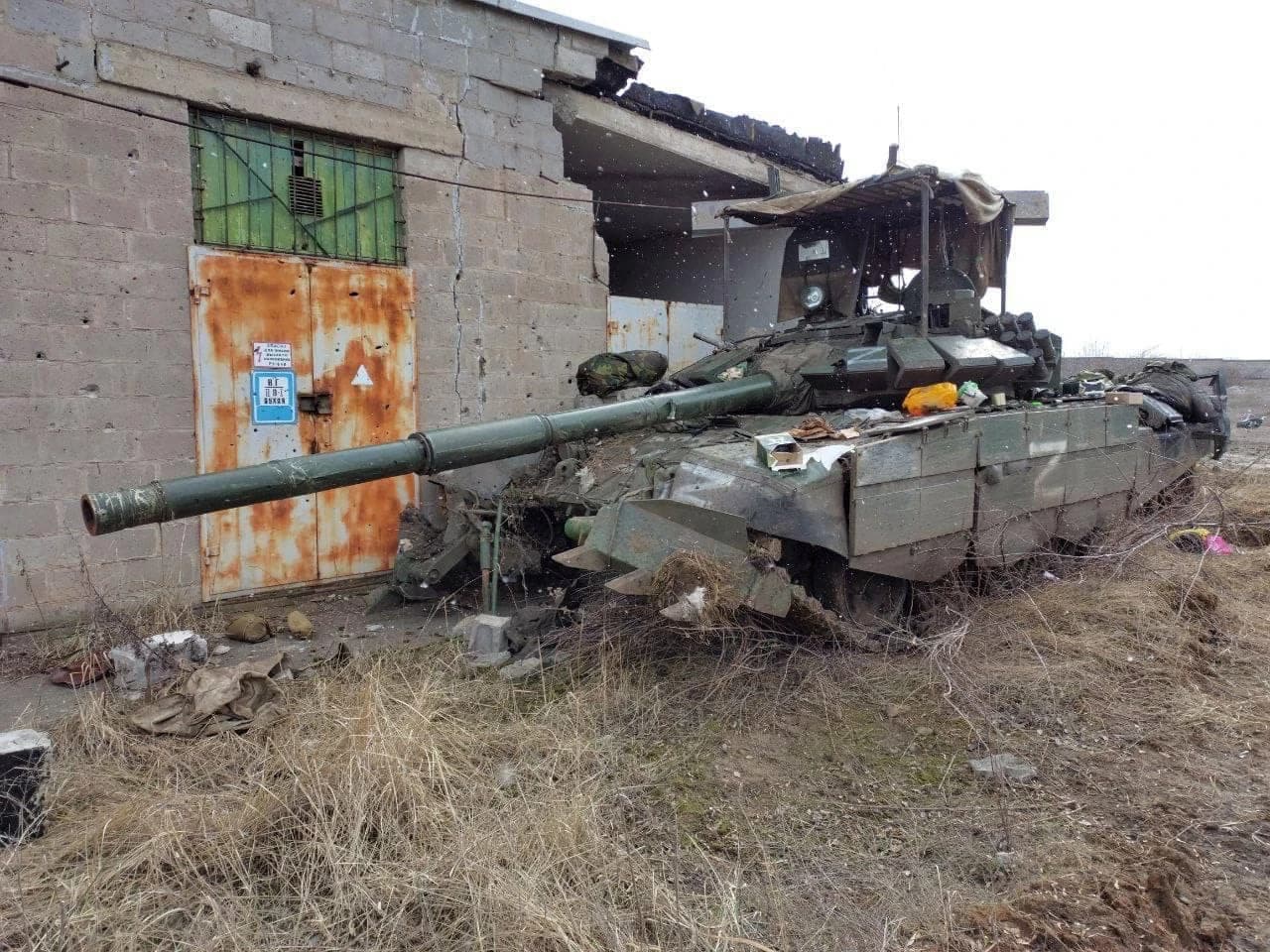
That matters because the war is no longer just a battlefield contest; it is a stress test for Europe’s security order, U.S. fiscal commitments and investor positioning across defense, energy and safe-haven assets. The latest comments land against a backdrop of renewed Russian strikes on Ukrainian infrastructure and a diplomatic line from Moscow that Europe has little meaningful role in any settlement, underscoring how far the conflict remains from a negotiated exit.
Sentiment Indicators
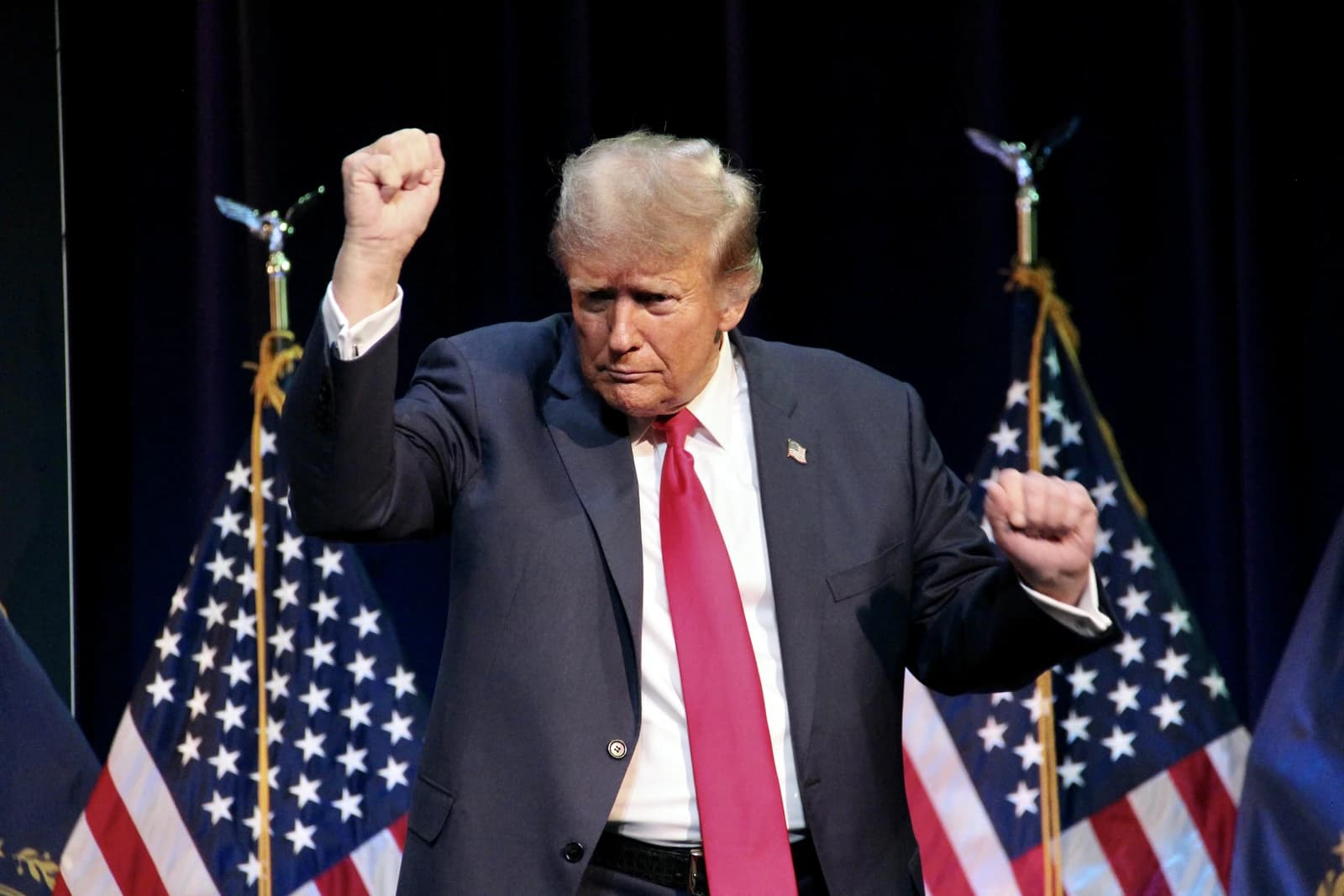
Davis was responding to Senator Roger Wicker’s call to ensure Ukraine wins the war. His argument is blunt: if Western capitals keep pretending victory is inevitable simply by declaring it, the result will be more Ukrainian losses and a humiliating strategic failure for the West itself. That framing resonates because it captures the market’s central geopolitical dilemma: the longer the conflict runs, the more capital, munitions and political bandwidth get consumed with no clear end state.
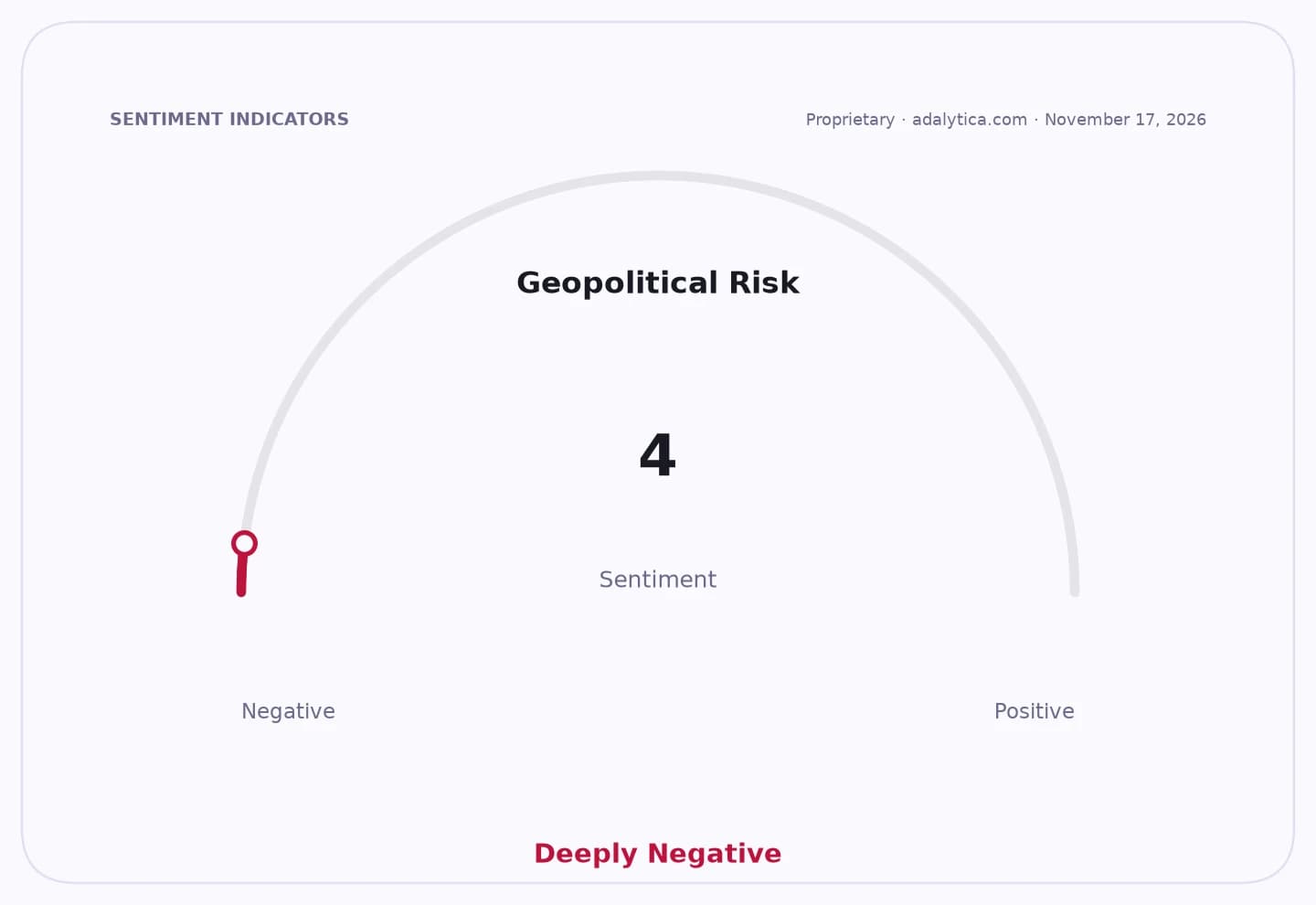
Investors should read that as a warning about duration, not just headlines. Prolonged war keeps defense spending elevated, sustains demand for energy security, and keeps Europe under pressure to accelerate military replenishment and infrastructure hardening. It also reinforces the premium for assets tied to geopolitical stress, even as risk appetite can temporarily recover on hopes of diplomacy. Adalytica’s Global Stability Sentiment has plunged to “Extreme Fear,” while its gold gauge sits in “Extreme Fear” as well, a sign that markets are increasingly pricing tail risk rather than resolution.
Geopolitical Risk — 30-day sentimentadalytica.com
Explore this data interactively — full history, time series and cross-market comparisons.
Geopolitical Risk
There is also a market message in the related price action. UK-listed Russia exposure through the EWU ETF has held up better than the broader risk-off tape, with the fund still trading above both its 50-day and 200-day moving averages, while energy proxy DBO has retraced from its September peak but remains above its longer-term trend. That combination points to a world where the conflict’s direct winners are not necessarily obvious, but the beneficiaries of rearmament, logistics, energy resilience and commodity volatility remain in focus.
The larger narrative is that the West may be entering a phase of strategic fatigue without a political off-ramp. If that is true, the investment playbook shifts from expecting a quick settlement to owning the picks-and-shovels of a longer confrontation: defense contractors, drone suppliers, cybersecurity, energy infrastructure and select commodities. The market underestimates how much longer this war can distort capital flows.
For investors, the takeaway is straightforward: do not bet on a fast peace dividend. Position for a drawn-out conflict, higher European defense spending and persistent demand for geopolitical hedges.
| Entity | Gains | Losses |
|---|---|---|
| Defense contractors | ▲Higher orders | ▼Peace dividend |
| Energy producers | ▲Supply premium | ▼Easier risk tone |
| Gold and safe havens | ▲Geopolitical demand | ▼Risk-on flows |
| Ukraine and Europe | ▲Nothing immediate | ▼Strategic exhaustion |