A planned discussion between Vladimir Putin and Donald Trump on Ukraine has sharpened market attention on the war’s economic fallout, with investor fear spiking, the dollar’s latest signals weakening and gold still sitting near levels that suggest persistent demand for safety.
Putin-Trump Ukraine Talk Focuses Markets on Risk
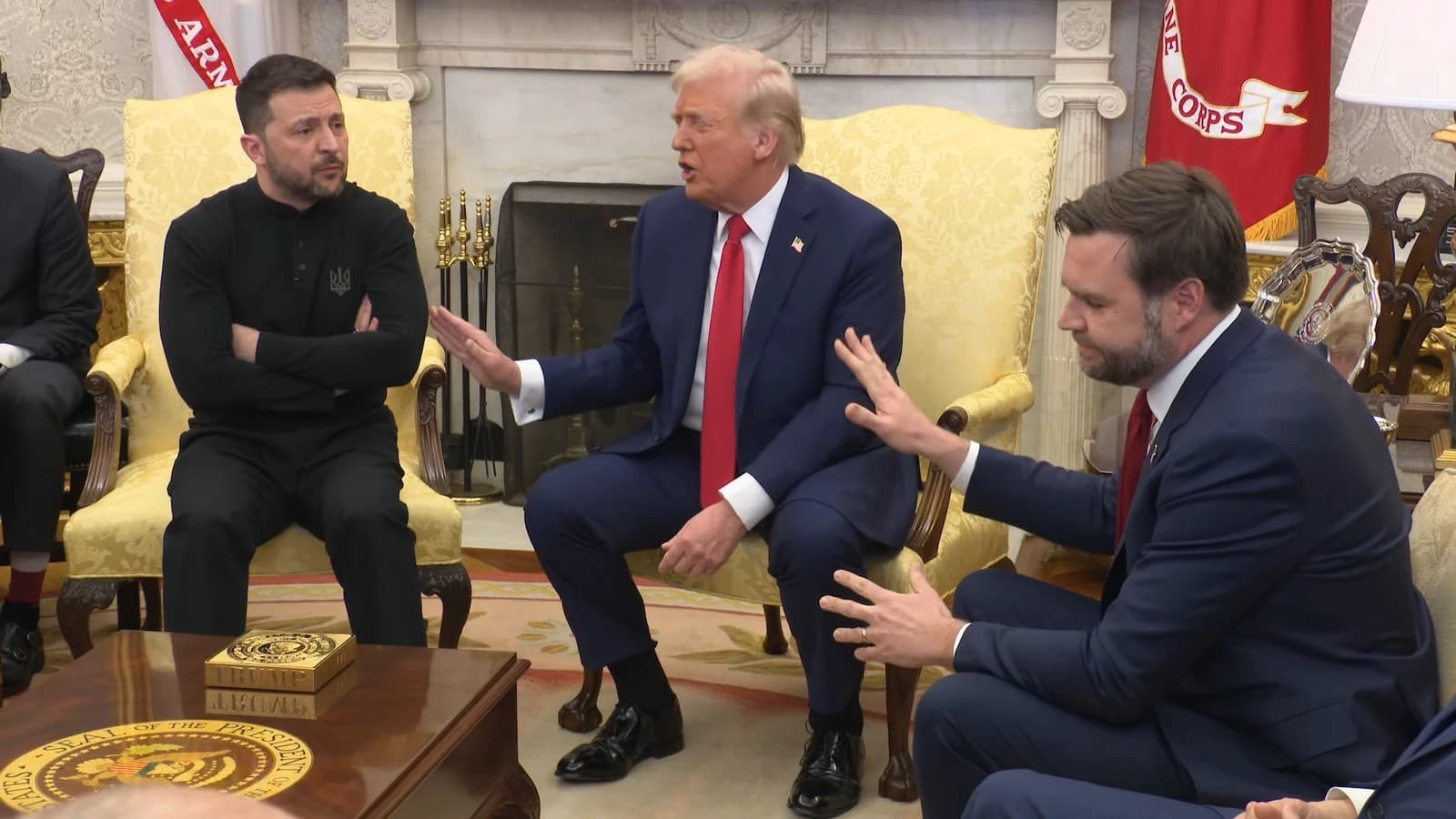
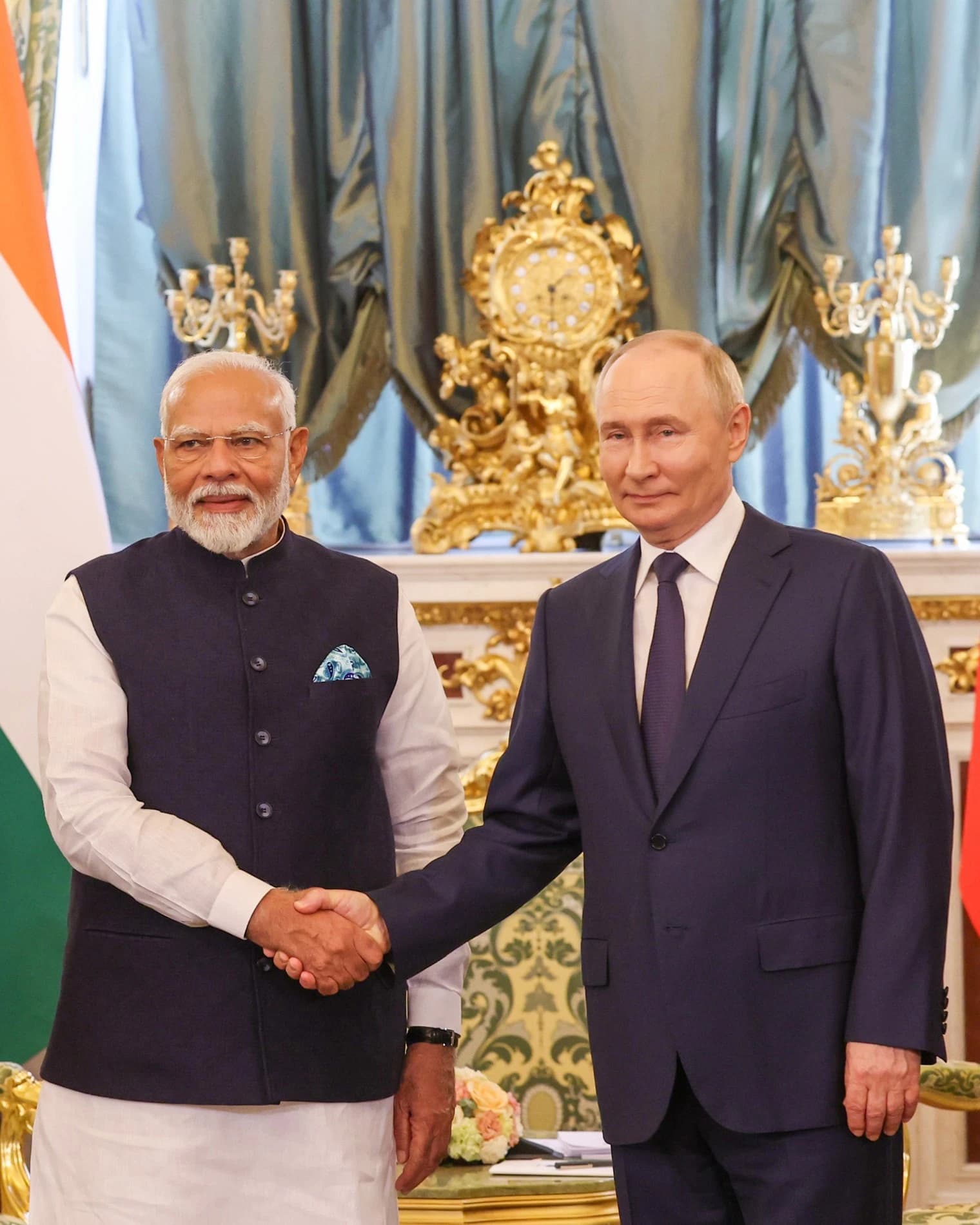
Kremlin spokesman Dmitry Peskov said the subject “will be touched upon” when the Russian president and Trump speak, underscoring that the war remains the central issue hanging over any renewed US-Russia contact. For markets, the significance is less about the diplomacy itself than the possibility of even a limited shift in the trajectory of sanctions, energy flows and European security risk.
Sentiment Indicators
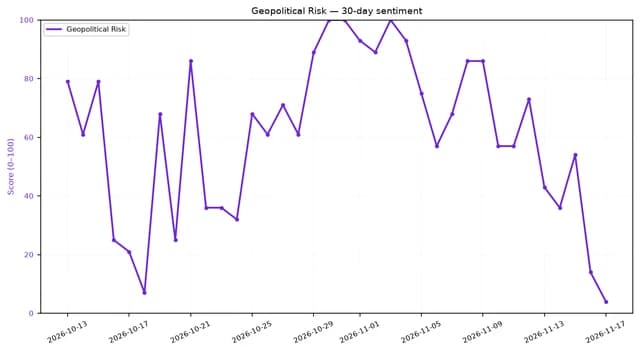
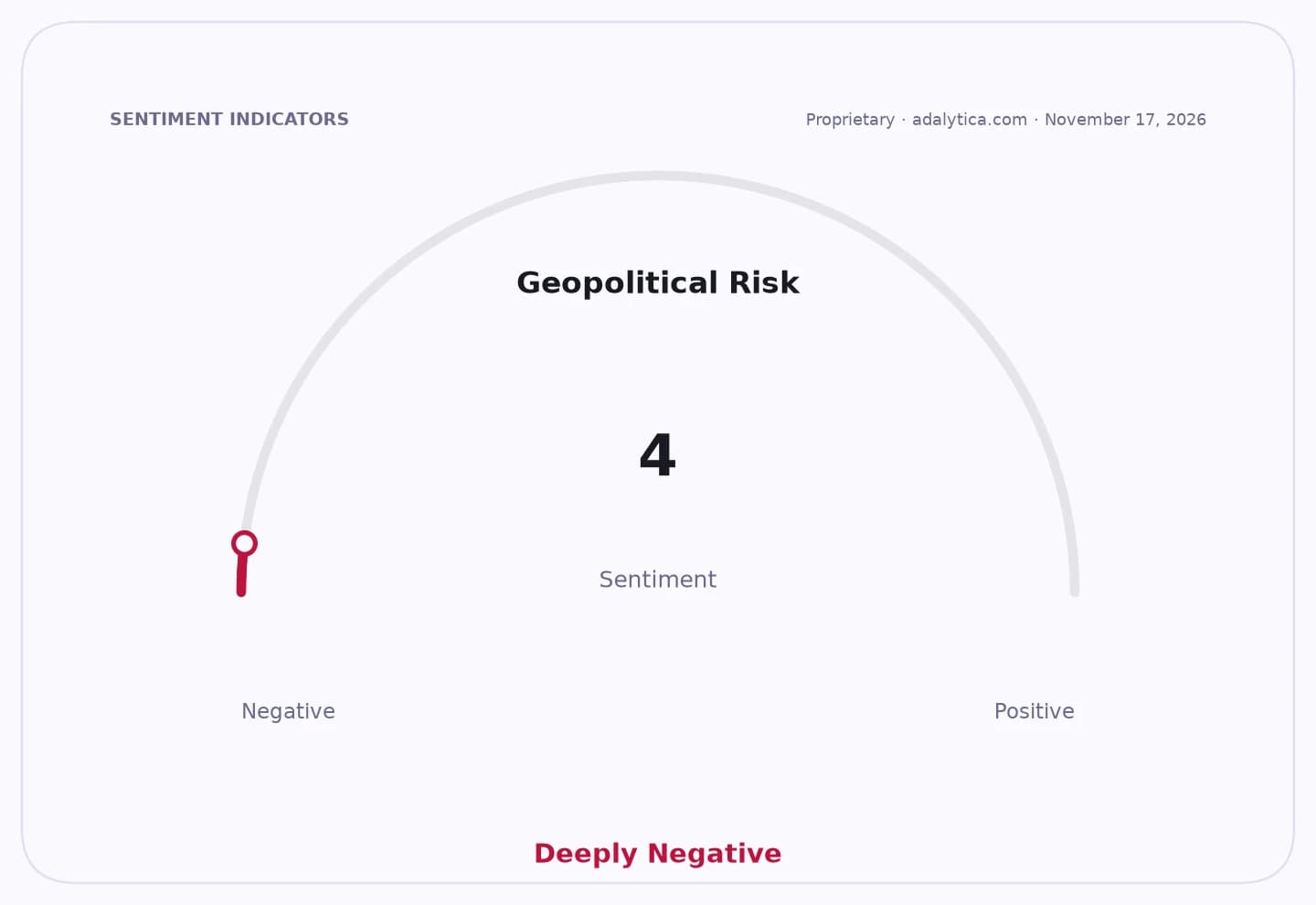
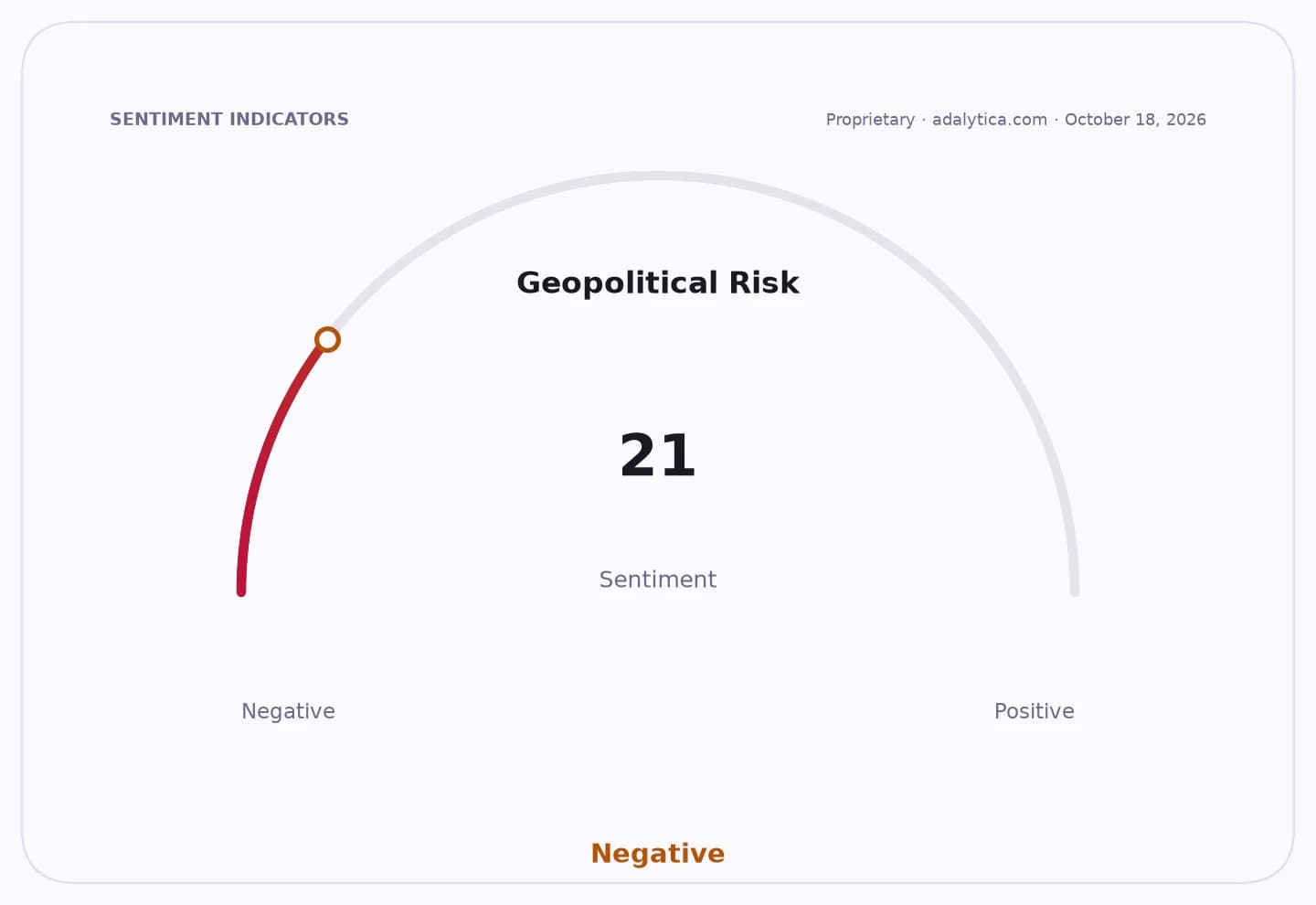
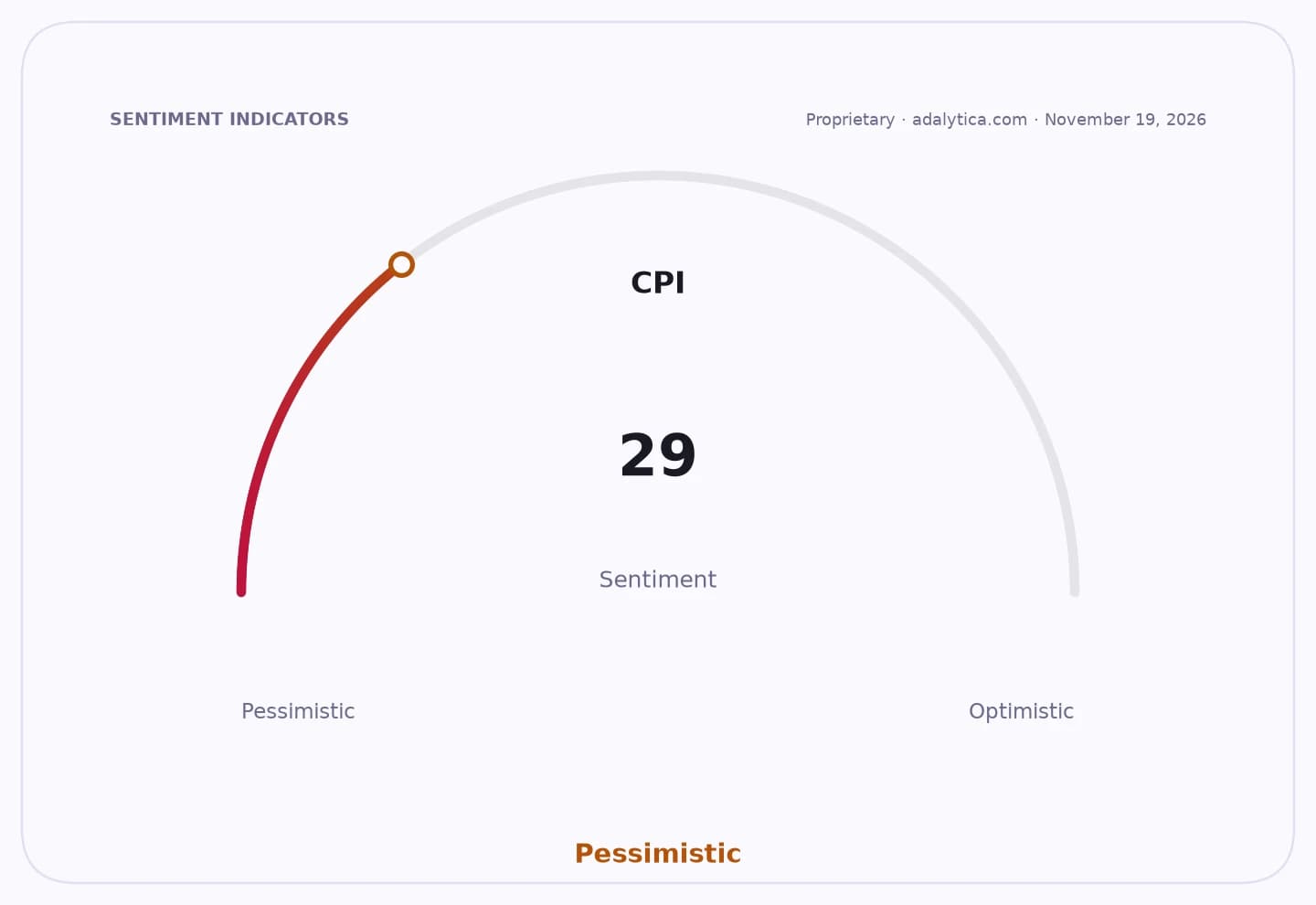
That uncertainty is already visible in cross-asset positioning. Adalytica’s Global Stability Sentiment gauge has dropped to 4.0, labeled “Extreme Fear,” after falling 54 points over seven days, while its US Dollar Trade Signals gauge shows sentiment slipping to 30 and “Fear.” The move reflects the way geopolitical shocks can quickly alter expectations for safe-haven demand, commodity flows and policy risk, even before any concrete agreement emerges.
The dollar has stayed firm in aggregate, but the latest readings suggest the trade is not one-way. UUP, which tracks the US currency against a basket of major peers, closed at 29.56 on Nov. 16, above both its 50-day average of 28.83 and 200-day average of 28.05. Its RSI of 66.9 points to an extended but still constructive trend, while the MACD remains positive. That combination suggests investors are still favoring the greenback as a reserve and stress asset, even as the latest sentiment gauges soften.
Gold is telling a more nuanced story. GLD closed at 352.93 on Nov. 16, well below its 50-day average of 379.83 and 200-day average of 407.96, after a sharp correction from levels above 490 earlier in the year. Its RSI of 38.1 and a negative MACD show the metal has lost momentum, but the scale of geopolitical fear argues against writing off defensive demand. If negotiations between Putin and Trump produce any credible path toward de-escalation, gold could remain under pressure; if they falter, the metal’s appeal as a hedge against policy and conflict risk could return quickly.
The yen is also part of the same risk map. FXY closed at 57.46, below its 50-day average of 58.18 and only slightly above its 200-day average of 57.83, with RSI at 37.7. That suggests investors are not yet rushing aggressively into the Japanese currency, but the backdrop leaves room for a sharper bid if the talks reinforce a broader flight to safety.
The economic stakes extend well beyond sentiment. Any credible thaw in US-Russia relations could influence energy pricing, European growth expectations and the sanctions premium embedded in several markets. A failure, by contrast, would likely preserve the current regime of geopolitical risk, supporting the dollar and other defensive assets while keeping volatility elevated across commodities and equities exposed to Europe.
For investors, the immediate question is not whether the meeting produces a breakthrough, but whether it changes the market’s baseline for tail risk. With fear gauges deep in negative territory and technicals still pointing to a strong dollar backdrop, markets are pricing caution rather than confidence. The next catalyst will be whether the leaders’ conversation produces concrete language on Ukraine or merely confirms that the conflict remains the dominant constraint on global risk appetite.
| Entity | Gains | Losses |
|---|---|---|
| US dollar | ▲Safe-haven demand | ▼Risk-sensitive currencies |
| Gold bulls | ▲Escalation or failed talks | ▼De-escalation headlines |
| Russian diplomacy | ▲Negotiating leverage | ▼Isolation if talks stall |
| European risk assets | ▲Ceasefire prospects | ▼Prolonged war premium |