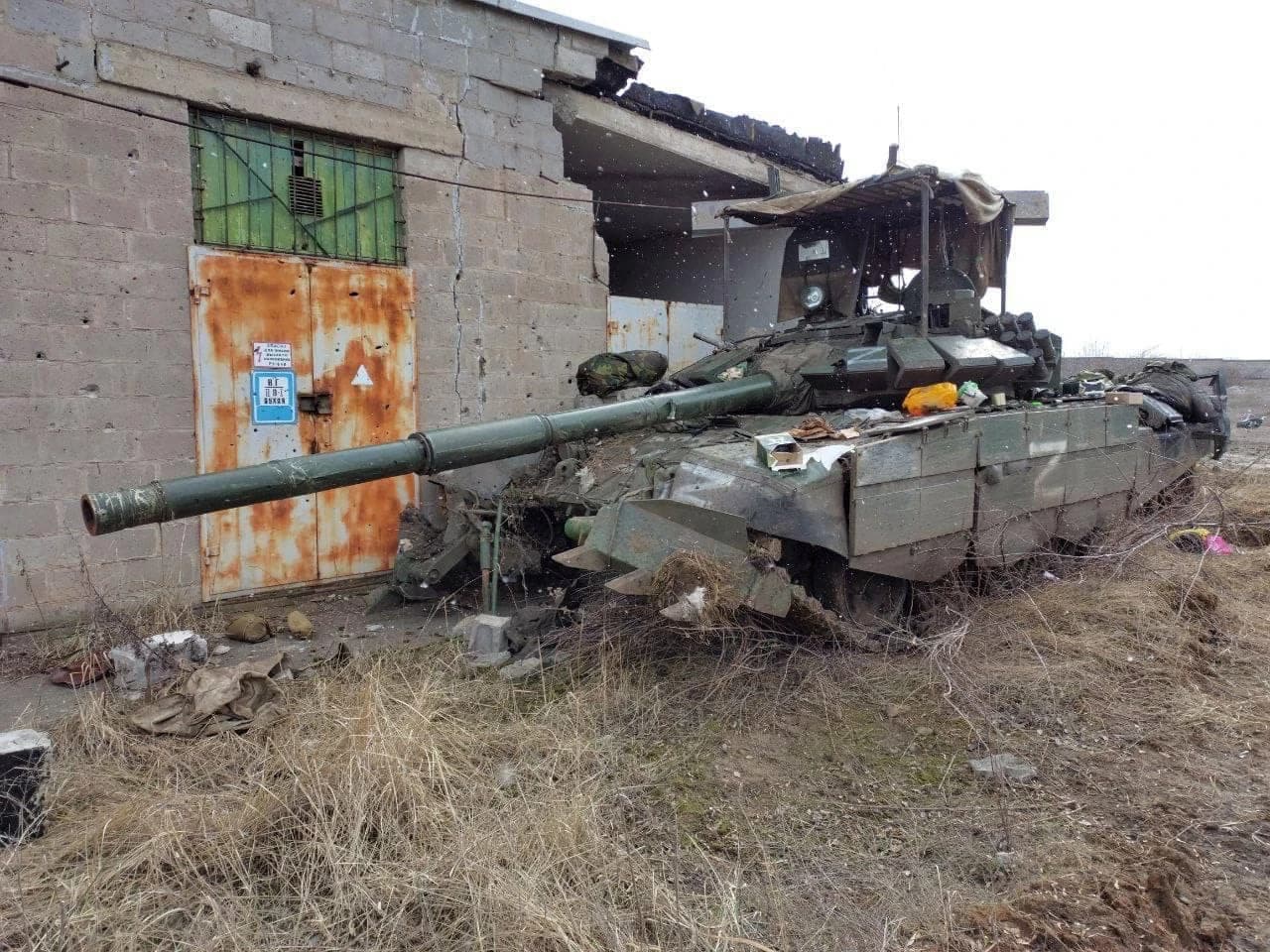
Ukraine’s destruction of part of the Kerch bridge has sharpened the war’s economic stakes, intensifying pressure on Russia’s Crimea supply line just as investors rush toward oil and gold on renewed geopolitical risk.
Ukraine Kerch bridge strike lifts oil and gold

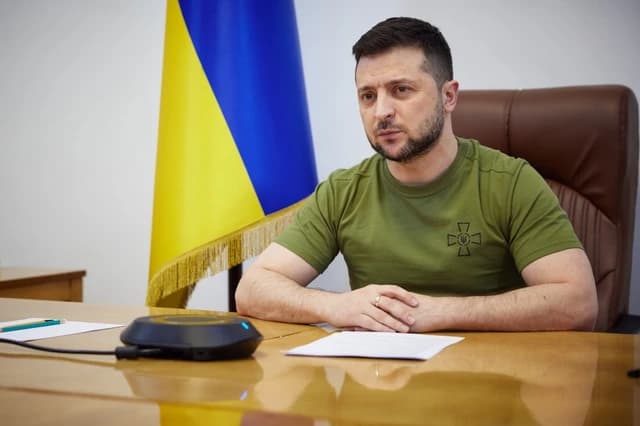
President Volodymyr Zelenskiy said the attack on the bridge linking Crimea to mainland Russia “worked flawlessly,” describing it as the result of a weeks-long operation coordinated by Ukraine’s security service and military. The bridge is more than a symbol for Moscow: it is a key military and logistics artery for supplying Russian forces in occupied Crimea and the southern front. Damaging it again underscores Ukraine’s ability to hit strategic infrastructure deep behind Russian lines, even as Moscow continues strikes on Ukrainian bridges and civilian assets.
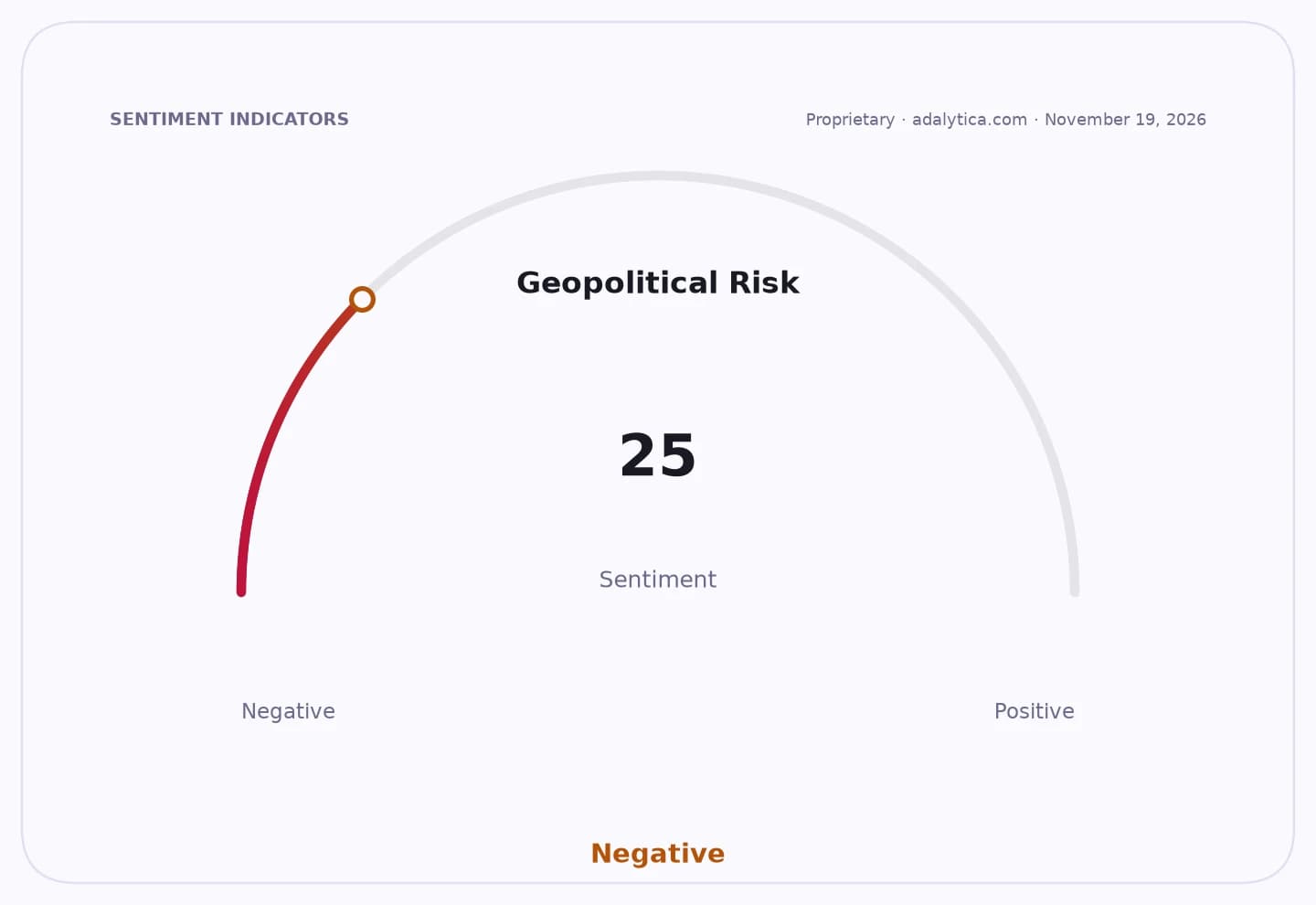
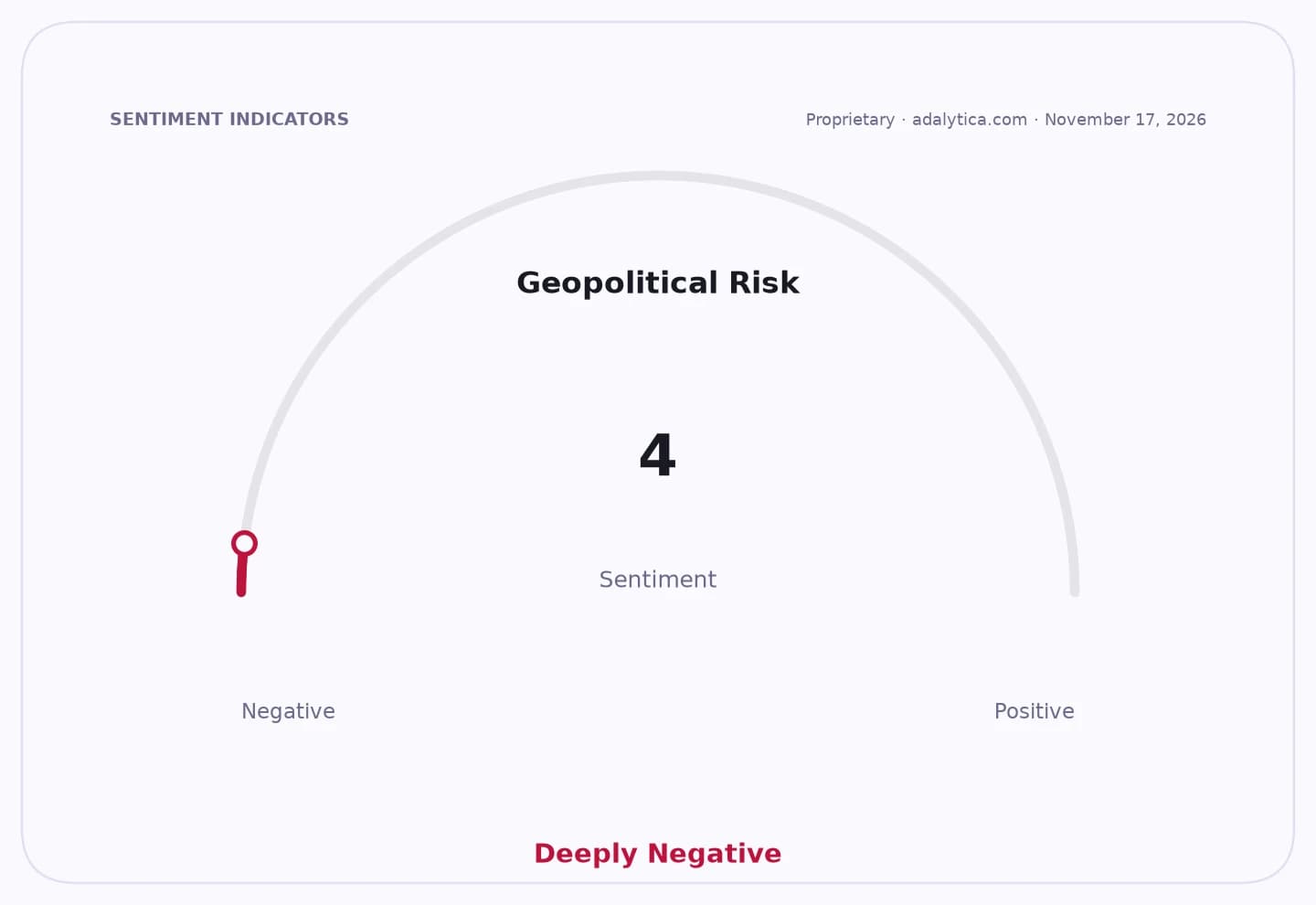
Sentiment Indicators
The market relevance is immediate. Geopolitical stress is feeding directly into energy and defensive positioning, and the context data show the broad fear trade already in motion. The Adalytica Global Stability Sentiment gauge has collapsed to 4, or “Extreme Fear,” from 54 two days earlier, a sign that investors are pricing in a sharper escalation risk. That kind of sentiment shift tends to support crude and precious metals, particularly when conflicts threaten transport corridors, logistics and sanctions enforcement.
USO, the oil ETF, reflects that impulse. Its price has been highly volatile but remains well above its 200-day moving average, and the tape still shows a strong longer-term uptrend despite a recent pullback. Gold has also been resilient: GLD remains elevated versus its 200-day average even after a recent decline, suggesting investors are still maintaining a hedge against war risk and policy shocks. In other words, this is not just a battlefield story; it is a capital-allocation story.
For investors, the key is that infrastructure strikes change the war’s cost structure. Every attack on the Kerch bridge raises the odds of additional Russian retaliation, more disruption to Black Sea logistics, and a deeper premium embedded in energy, shipping, defense and safe-haven assets. The market underestimates how quickly a symbolic strike can become a commodity catalyst when it threatens military supply chains and widens the probability of escalation.
The best way to play this is to stay with the beneficiaries of instability, not the headlines themselves. Energy exposure through broad oil vehicles, and gold as a portfolio hedge, remain the most direct expressions of this thesis. If the conflict escalates further, the next move is likely to reward companies and funds tied to oil, defense and other hard-asset toll roads — while punishing any assets that depend on a clean de-escalation.
| Entity | Gains | Losses |
|---|---|---|
| Oil producers / USO | ▲Higher risk premium | ▼Demand-sensitive sectors |
| Gold holders / GLD | ▲Safe-haven inflows | ▼Cash-heavy risk assets |
| Ukraine | ▲Strategic leverage | ▼None in the short term |
| Russia / Kerch bridge logistics | ▲None | ▼Supply chain disruption |