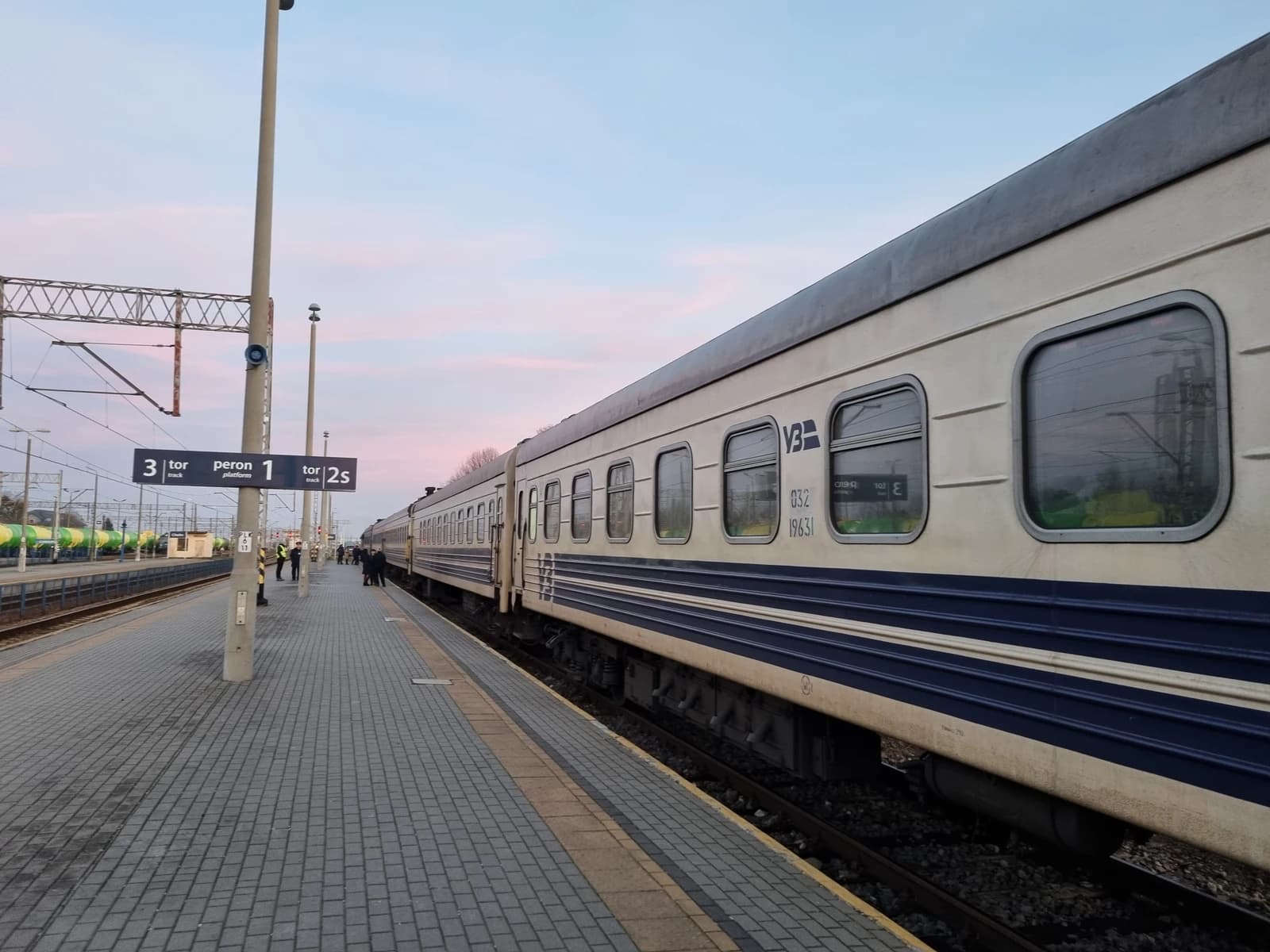
Ukraine has severely damaged the Kerch bridge linking Russia to occupied Crimea, forcing Moscow to halt train traffic on a route that is both a military supply artery and a symbol of Vladimir Putin’s claim on the peninsula.
Ukraine damages Kerch bridge, halts Crimea train traffic
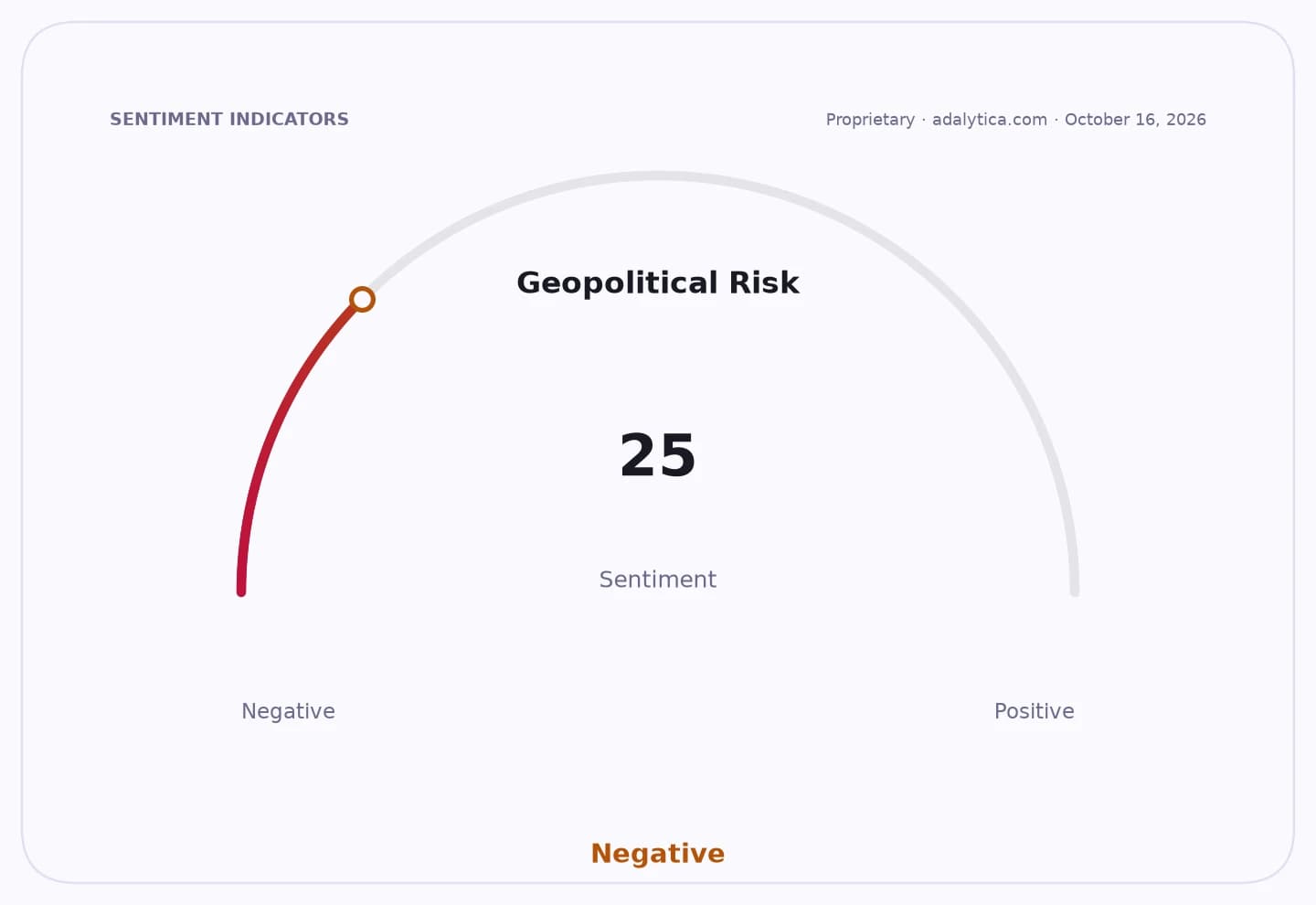
Geopolitical Risk
The strike matters because the bridge is one of Russia’s most important logistics links into Crimea and the south of Ukraine. Any disruption can slow troop movements, fuel deliveries and military resupply, raising the cost of Russia’s occupation and complicating battlefield operations at a sensitive moment in the war.
Sentiment Indicators
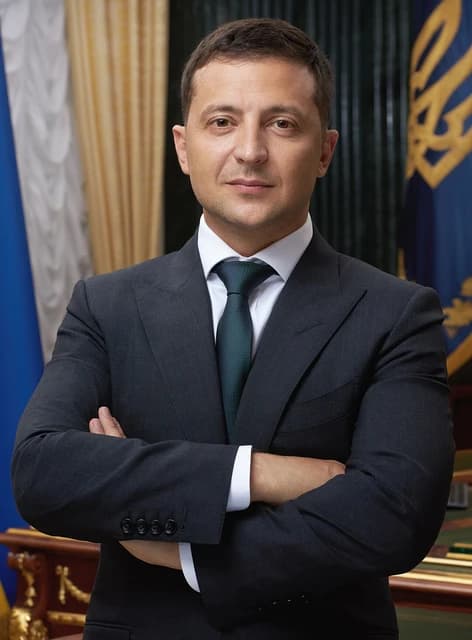
Volodymyr Zelenskyy called the operation “unprecedented,” framing it as a major Ukrainian success against a structure Russia built after its 2014 annexation of Crimea. The attack also lands as Russia faces renewed scrutiny over its ability to defend high-value assets deep behind the front line.
For investors, the event is a reminder that the war remains capable of jolting sentiment around energy, defense and broader geopolitical risk, even when markets are focused elsewhere. Russia’s response could include tighter security, retaliatory strikes and further disruption to Black Sea trade routes, all of which would keep a premium under oil, gas and defense-linked assets.
The latest strike follows a pattern of Ukrainian attacks on critical Russian infrastructure, but damage to the Kerch bridge carries outsized political and operational weight because it ties Crimea directly to mainland Russia. Any prolonged closure would also deepen the strain on Moscow’s transport network and raise the stakes for future negotiations or escalations.
| Entity | Gains | Losses |
|---|---|---|
| Ukraine | ▲Tactical leverage | ▼— |
| Russia / Crimea logistics | ▲— | ▼Transport capacity |
| Oil and defense assets | ▲Risk premium | ▼Stability-linked trades |
| Putin’s war effort | ▲— | ▼Symbolic and military setback |