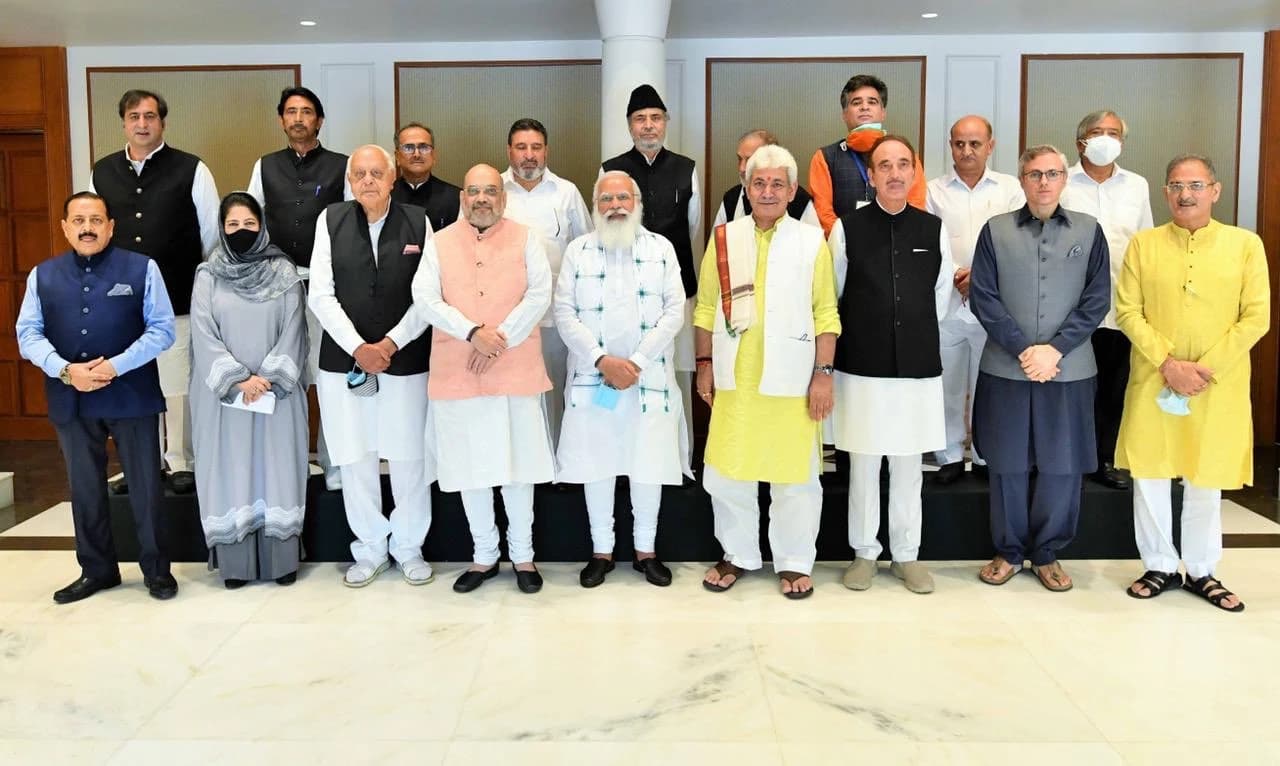
India’s opposition has escalated its attack on the Special Intensive Revision of electoral rolls, turning a procedural voter-list exercise into a broader fight over the credibility of the Election Commission and the legitimacy of Prime Minister Narendra Modi’s government.
India opposition escalates fight over voter roll revision
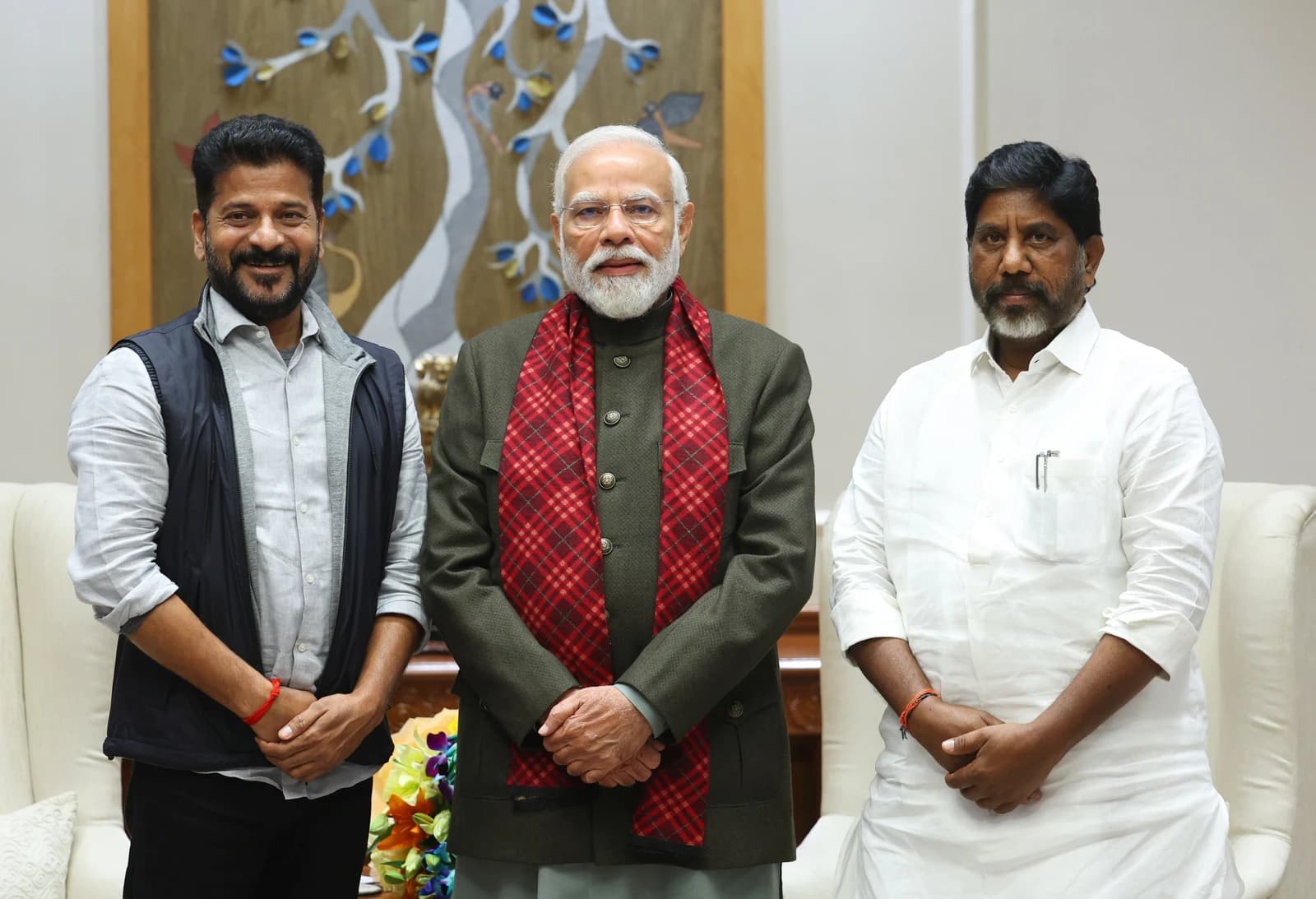
Telangana Chief Minister Revanth Reddy’s call to roll back the SIR, delivered alongside the INDIA bloc’s protest campaign in Delhi, underscores how quickly the issue has become a political flashpoint ahead of key state contests and the next national election cycle. For investors, the dispute matters less for any immediate market move than for the risk it adds to policy continuity, legislative functioning and the institutional backdrop in the world’s fastest-growing major economy.
Sentiment IndicatorsⓘProprietary · adalytica.com · October 10, 2026
This is a snapshot — live sentiment, awareness and momentum for 130+ markets update continuously in the dashboard.Open AlphaPulse
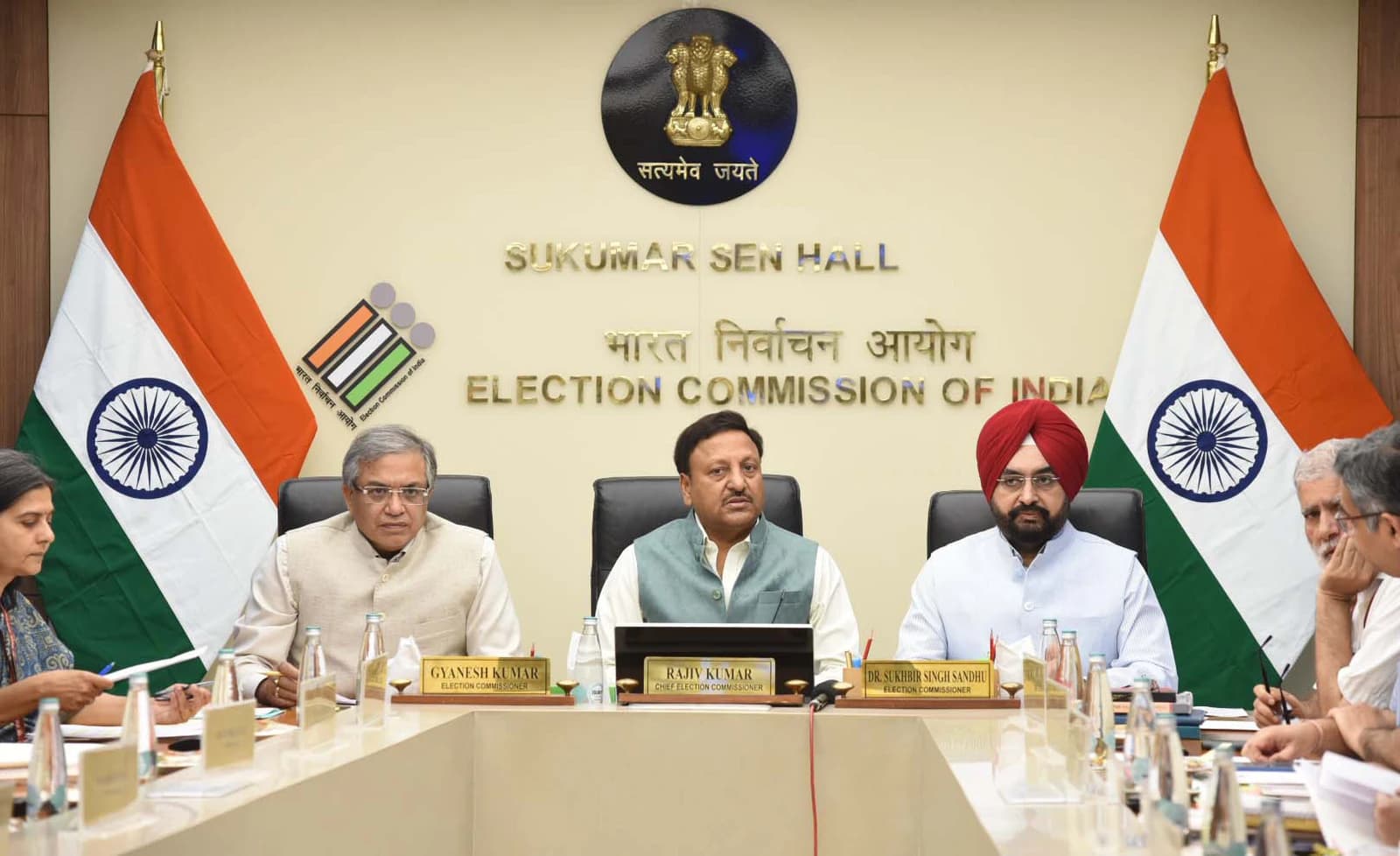
The opposition’s strategy has been to portray the voter-roll revision as a form of disenfranchisement and to link it directly to what it calls “vote chori” or stolen votes. Congress leader Manickam Tagore said the bloc had spent three days on the streets of Delhi, after marching from Parliament to meet Chief Election Commissioner Gyanesh Kumar, protesting at Jantar Mantar and then paying homage at Raj Ghat. He accused the CEC of acting in concert with Modi and Home Minister Amit Shah, allegations that the ruling Bharatiya Janata Party is certain to frame as an attempt to delegitimise the electoral process.
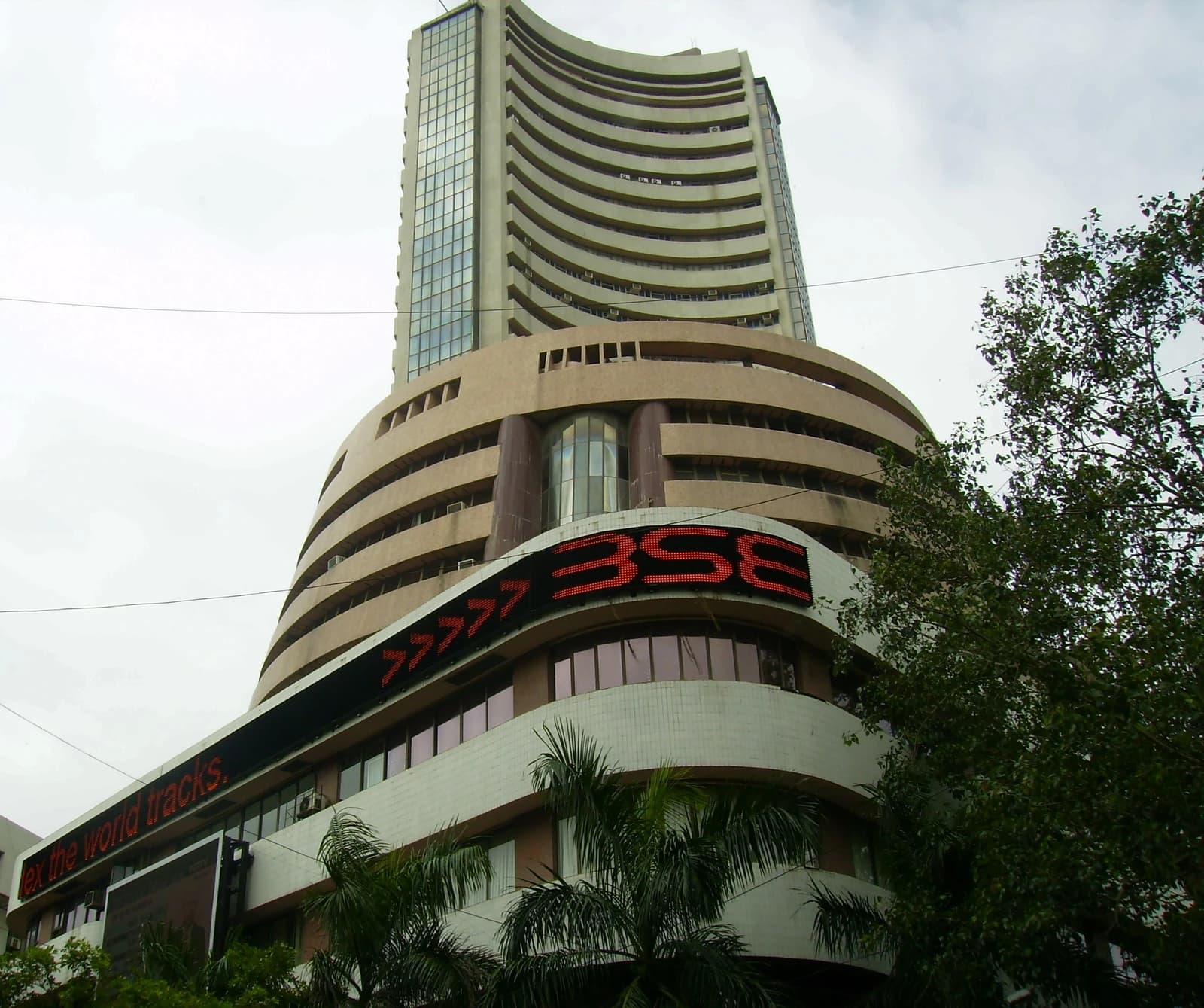
That rhetoric matters because India’s institutions have been a key source of investor confidence even amid political volatility. The country has generally offered policy predictability, relatively deep domestic capital markets and a stable reform narrative that has supported foreign inflows. A prolonged battle over the conduct of elections does not automatically change the economic outlook, but it can raise the political risk premium if it hardens perceptions that the electoral process is becoming more adversarial or less trusted.
The immediate market impact is likely to remain limited unless the confrontation spills into parliamentary disruption, court challenges or a wider breakdown in opposition-ruling party dialogue. Still, institutional stress of this sort tends to matter at the margin for overseas investors evaluating India’s valuation premium, especially when equity markets are already sensitive to macro signals and global risk appetite. Domestic investors may be more insulated, but they are not immune to the effect of prolonged political noise on sentiment.
The backdrop is already combustible. Opposition leaders say the INDIA bloc will announce its next step soon, after Rahul Gandhi and other senior figures were detained during earlier protests. The government, for its part, is likely to argue that electoral-roll revision is routine administration and that the opposition is using the issue to compensate for weak political momentum. The bull case for markets is that the controversy remains confined to politics and does not alter India’s growth, earnings or capex story. The bear case is that it becomes a recurring institutional battle that deepens polarisation, complicates governance and distracts from economic policy.
For now, the fight over SIR is less about one voter list than about who gets to define the rules of Indian democracy. If the dispute widens, it could shape not only election messaging but also how investors assess the durability of India’s political institutions.
| Entity | Gains | Losses |
|---|---|---|
| INDIA bloc | ▲Opposition visibility | ▼Governance credibility |
| BJP government | ▲Short-term defensive framing | ▼Institutional trust |
| Election Commission | ▲Procedural authority if upheld | ▼Public confidence if disputed |
| Investors in India | ▲Potential policy clarity if resolved | ▼Higher political risk premium |