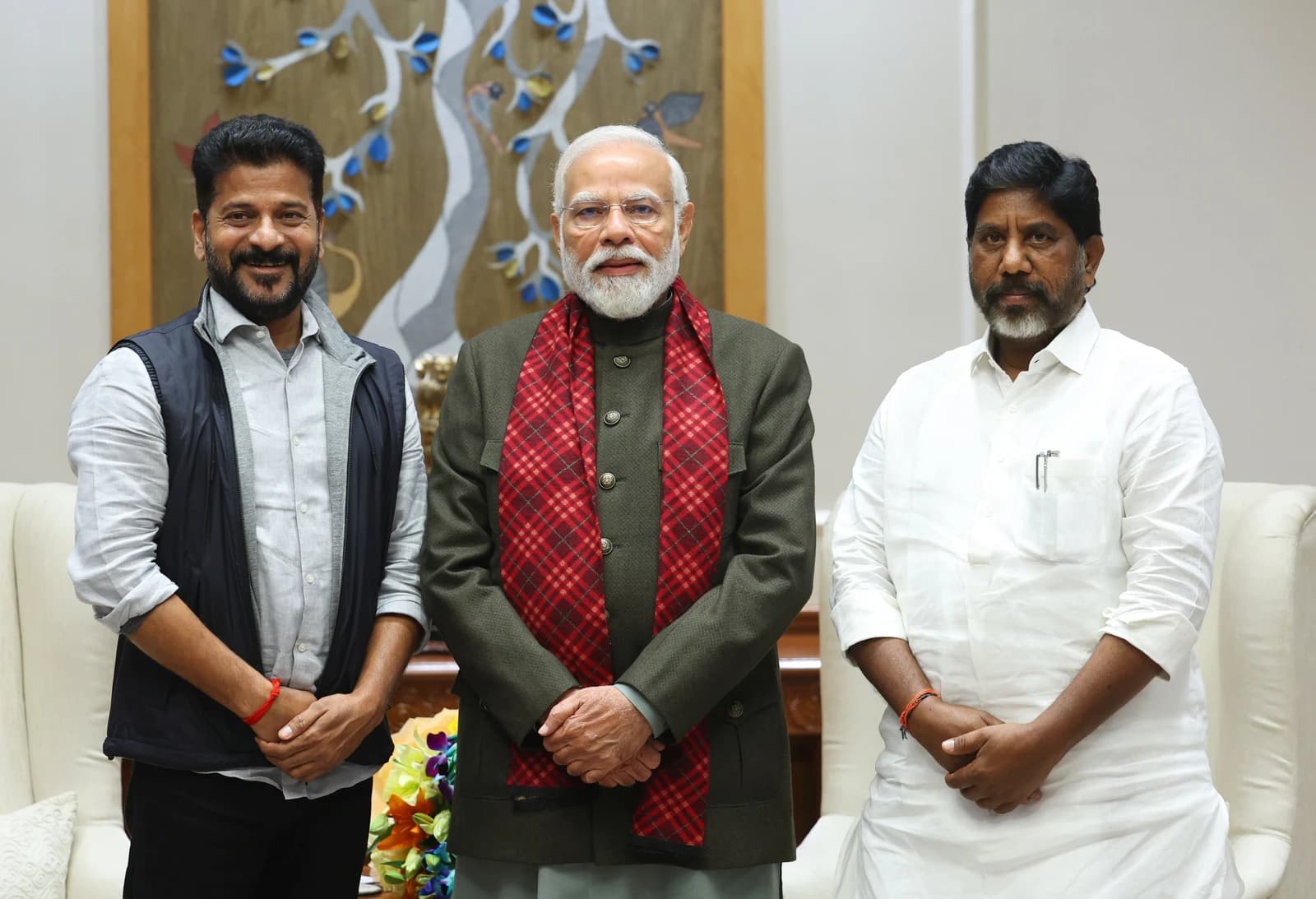
Political resistance to India’s voter-roll overhaul is turning into a broader institutional risk for markets, as Telangana Chief Minister A. Revanth Reddy urged a rollback of the Special Intensive Revision while opposition parties sharpen their campaign against the exercise.
India voter-roll overhaul draws political pushback
The stakes are larger than a procedural dispute. If the Special Intensive Revision becomes a flashpoint across key states, it could complicate the election timetable, heighten legal and administrative uncertainty, and feed investor concerns about governance at a time when India is trying to sustain capital inflows and policy continuity. For markets, the immediate issue is not the census-style mechanics of the exercise, but whether an election-related controversy starts to weaken confidence in the predictability of India’s political process.
Sentiment IndicatorsⓘProprietary · adalytica.com · October 10, 2026
This is a snapshot — live sentiment, awareness and momentum for 130+ markets update continuously in the dashboard.Open AlphaPulse
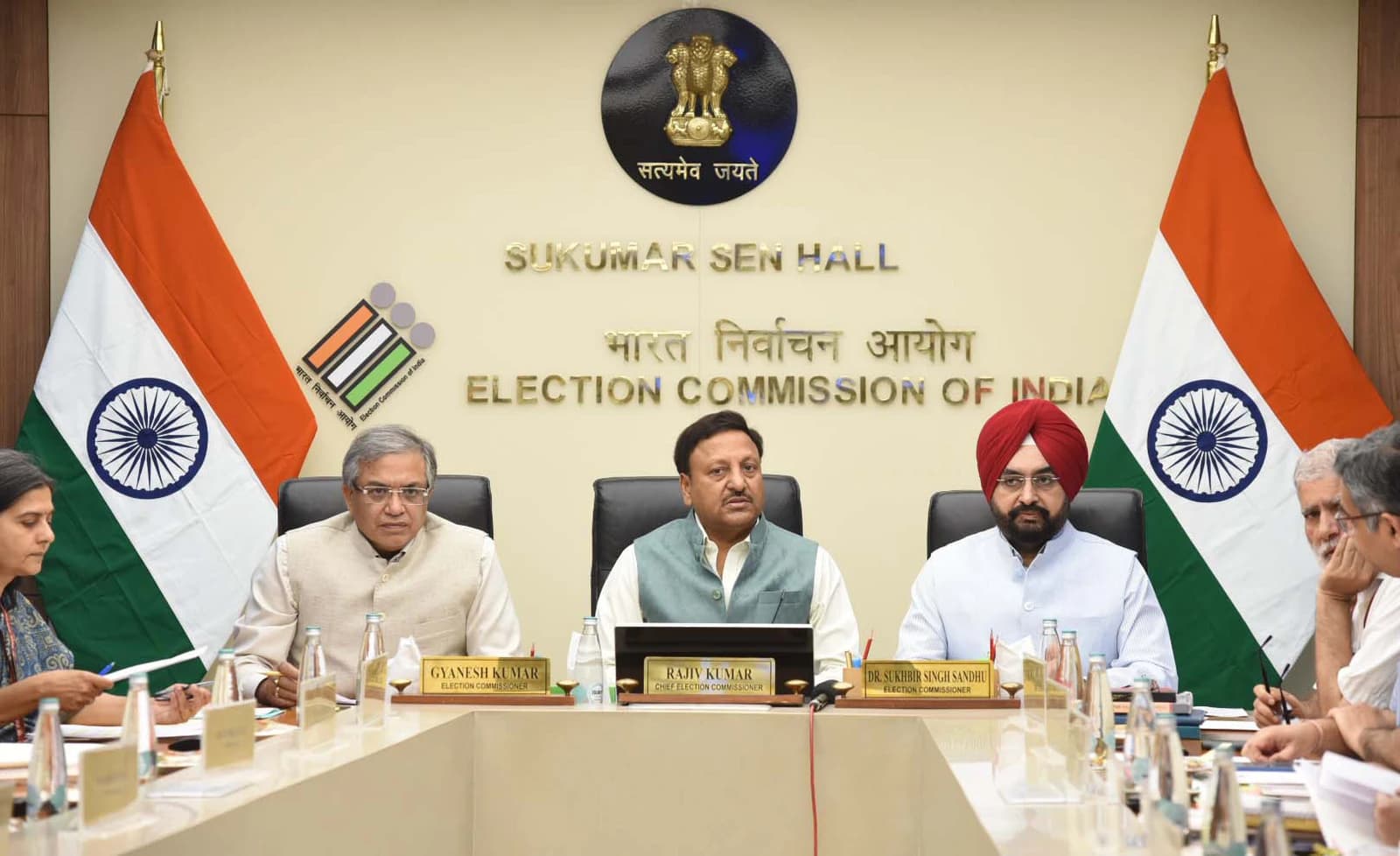
Revanth Reddy’s intervention matters because Telangana is one of the states where the INDIA bloc is trying to coordinate a common message on election integrity and voter inclusion. A rollback demand from a sitting chief minister gives the campaign more institutional weight than a routine party complaint. It also raises pressure on the Election Commission of India, which must defend the credibility of the revision while avoiding the perception that the process could distort voter rolls or turnout.
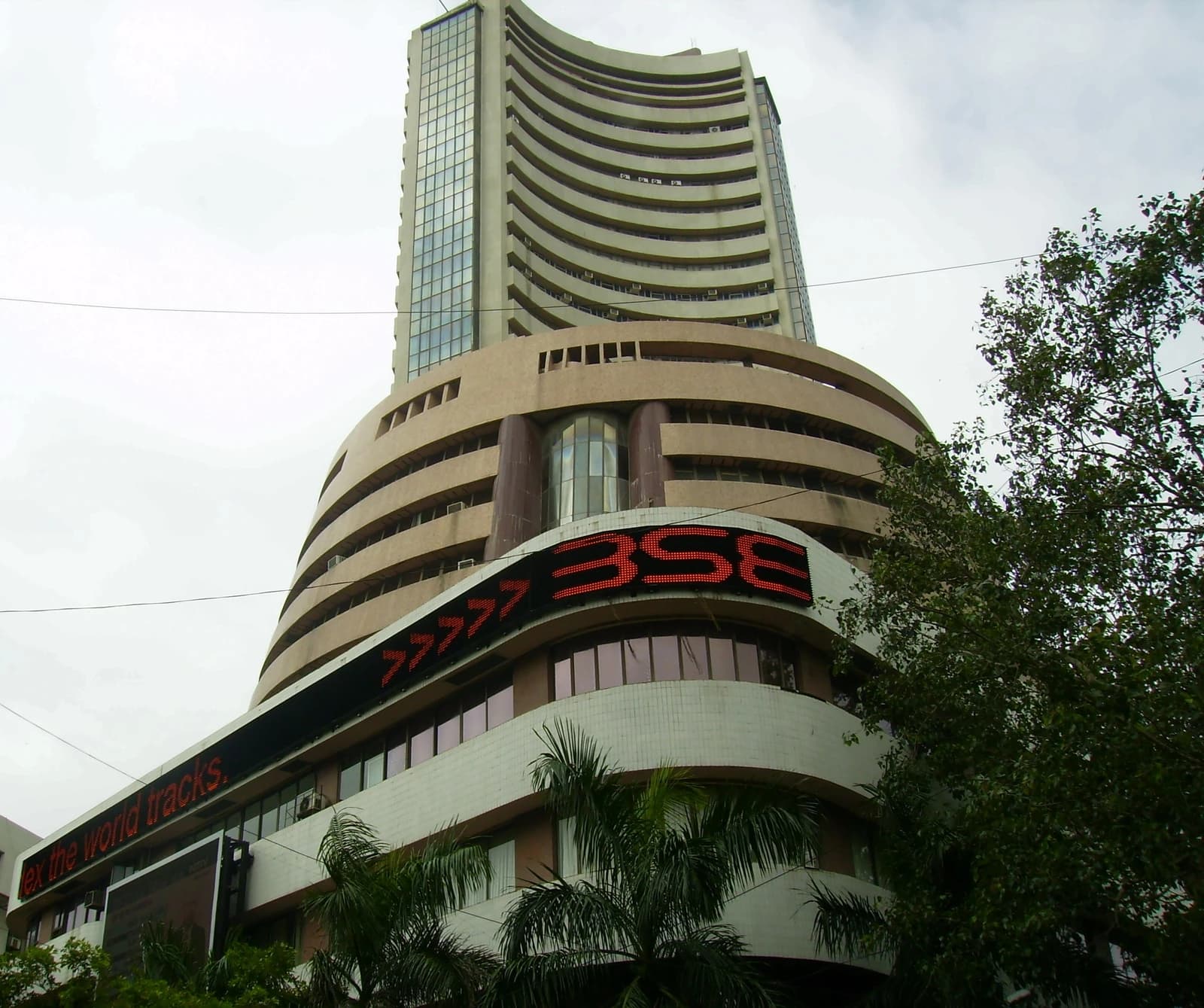
The issue lands at a sensitive moment for Indian assets. Domestic equities have already shown that political and policy headlines can move sentiment quickly, and foreign investors tend to reward continuity more than confrontation. In that context, any sign that election administration is becoming contested can filter into risk premiums, especially in sectors tied to government spending, state-level execution, and regulatory approvals. India-focused exchange-traded funds such as the INDA ETF have been trading well below their recent average levels, with the fund closing at $46.03 in the latest session, under both its 50-day and 200-day moving averages, reflecting a market that is still cautious on near-term direction.
By contrast, U.S. equity sentiment remains unusually elevated, with Adalytica’s S&P 500 trade signals showing “Extreme Greed.” That divergence matters because it leaves India vulnerable to relative underperformance if local political noise rises while global risk appetite stays tilted toward U.S. assets. A firmer dollar would add another headwind for emerging-market flows, even though the latest dollar signal data show only neutral sentiment.
The opposition’s campaign against SIR is also likely to resonate beyond Telangana. If the INDIA bloc succeeds in framing the revision as a fairness issue rather than an administrative one, the controversy could spread into other states and become part of a longer campaign over the integrity of electoral rolls. That would not necessarily change India’s macro fundamentals, but it could affect how investors price political stability into earnings multiples, infrastructure execution and state-policy risk.
For now, the main bullish argument is that India’s institutions have handled contentious election issues before without lasting market damage. The bearish view is that repeated attacks on the revision process could increase friction around a politically charged vote, especially if disputes over voter lists start to look like a proxy battle over turnout and legitimacy. Investors will be watching whether the Election Commission pushes back firmly, whether the INDIA bloc widens the issue, and whether markets begin to treat the row as a broader governance concern rather than an isolated political spat.
| Entity | Gains | Losses |
|---|---|---|
| INDIA bloc | ▲Campaign momentum | ▼Administrative optics |
| Revanth Reddy / opposition states | ▲Political leverage | ▼Policy confrontation risk |
| Election Commission of India | ▲— | ▼Credibility pressure |
| Indian equities / foreign inflows | ▲— | ▼Higher political risk premium |