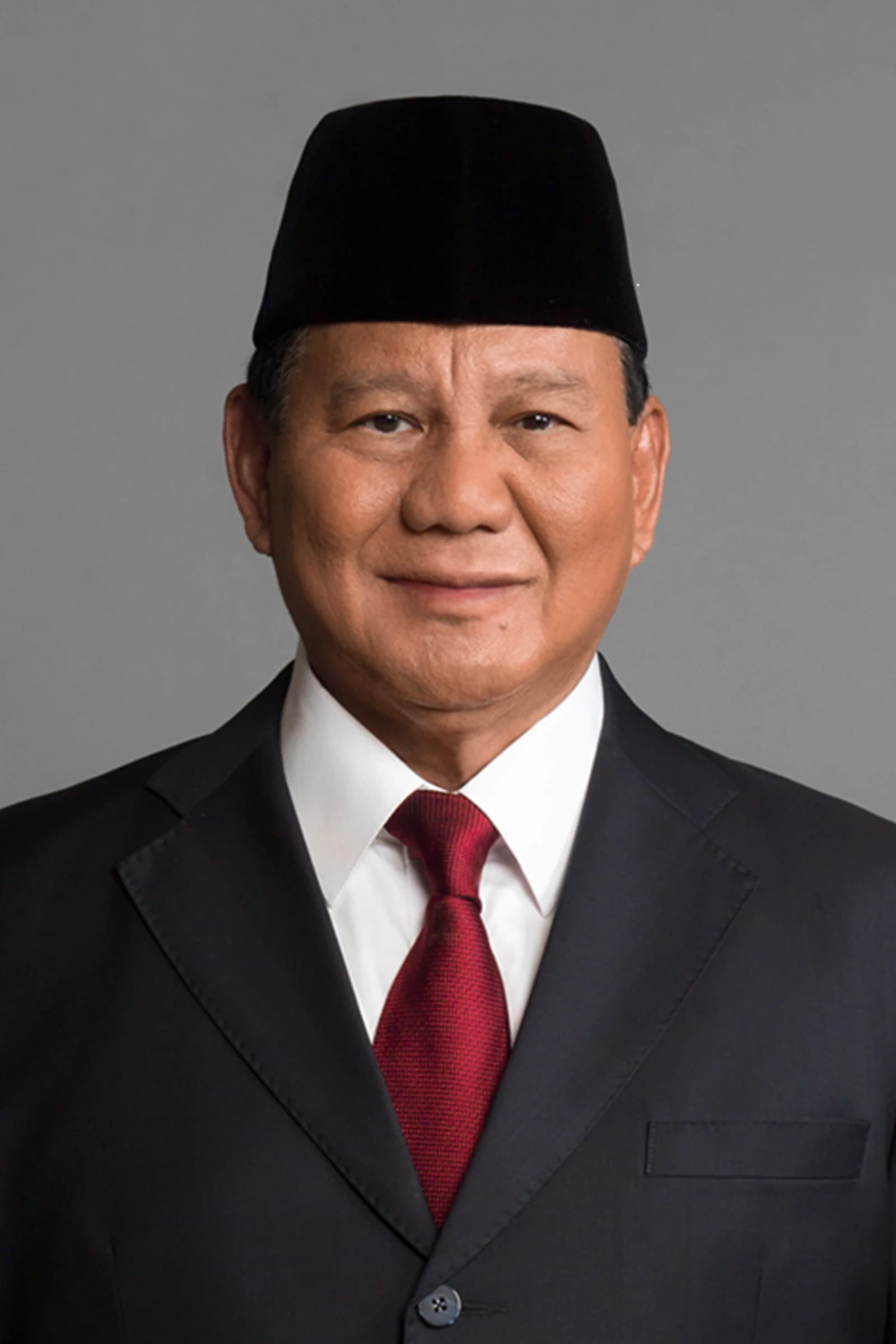
Indonesia’s new government communications chief says he will pair political messaging with artificial intelligence, a sign that Jakarta wants to manage not just policy, but how policy is understood in an algorithm-driven information economy.
Indonesia communications chief to use AI for messaging
That matters because the battle over public opinion is increasingly being fought through feeds, search results and AI-generated content, not just press briefings and television appearances. If the government can communicate more clearly and more consistently, it can reduce confusion around President Prabowo Subianto’s agenda and improve the odds that his programs gain traction with voters, civil servants and investors alike.
Syahganda Nainggolan, who heads the newly formed Badan Komunikasi Pemerintah RI, said after his appointment that the challenge is getting the public to grasp “the president’s thinking,” not merely the programs themselves. He said Bakom will continue existing communication efforts while studying algorithms and AI, which he described as a source of distortion that can widen the gap between the president’s ideas and the public.
In practical terms, that suggests the administration sees digital platforms as both a megaphone and a risk. AI tools can help government agencies push out faster, more targeted messaging, but they can also amplify misinformation or reshape official statements in ways that make policy harder to explain. Bakom’s plan to form a special team to study algorithmic distortions is a recognition that communication policy is now part of governance, not an afterthought.
For investors, the important point is that clearer government communication can lower policy uncertainty. Markets usually reward predictability more than rhetoric. If Prabowo’s administration can better explain its priorities on spending, regulation and national development, it may improve confidence in Indonesia’s policy direction, especially in sectors sensitive to state messaging such as infrastructure, telecoms, technology and consumer demand.
The AI angle also reflects a broader global shift. Governments are beginning to adopt the same tools that large tech companies are rolling out for consumers and businesses, from autonomous AI agents to creative video tools. That makes Indonesia’s move part of a wider contest over who controls information flow in an era when algorithms increasingly shape attention.
For long-term investors, the lesson is straightforward: the countries and companies that learn to communicate well in the AI age may enjoy a structural advantage. Indonesia’s experiment will be worth watching, not because communications alone drive growth, but because in modern markets, perception and policy execution often move together.
| Entity | Gains | Losses |
|---|---|---|
| Bakom RI | ▲broader reach | ▼communication opacity |
| Prabowo administration | ▲clearer messaging | ▼distortion risk |
| Investors in Indonesia | ▲lower policy uncertainty | ▼confusion over priorities |
| AI-driven platforms | ▲more government use cases | ▼stricter scrutiny |