Pope Leo XIV is using a high-profile trip to France to put a human face on one of the biggest questions in the AI boom: how far can the technology advance before it starts eroding the values that make societies work?
Pope Leo XIV Raises AI Ethics Concerns in France
That matters far beyond the Vatican. AI is no longer just a productivity tool or a hot theme in tech stocks; it is a force shaping labor markets, regulation, capital spending and geopolitical competition. When a pope warns that a “paradise of machines” could undermine humanity, he is tapping into a fast-growing backlash that could influence how governments write rules, how companies deploy AI and how investors think about the durability of the current spending cycle.
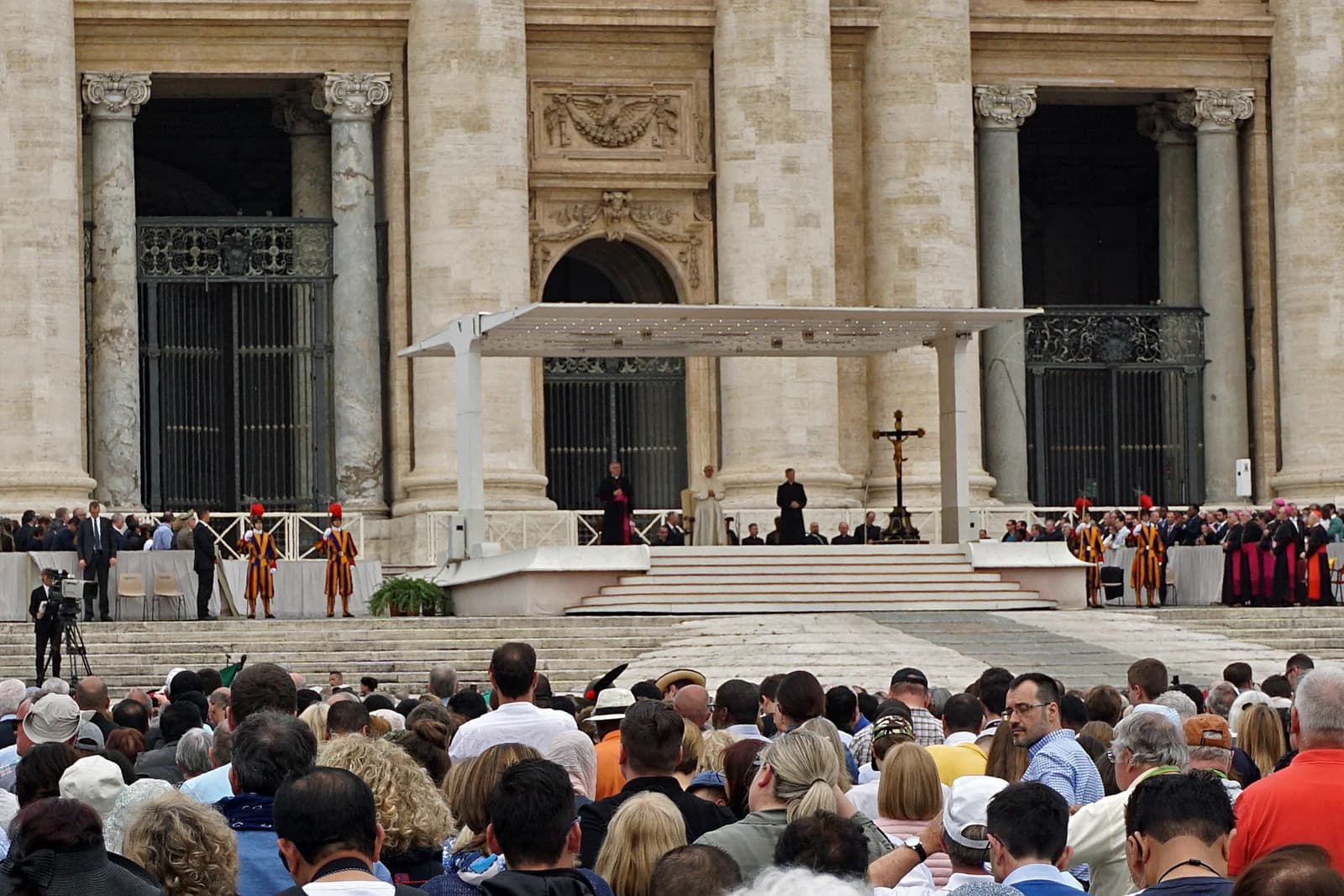
Leo’s comments came in Paris as he opened four days in France, meeting President Emmanuel Macron and diplomats at the Elysee Palace before a speech at UNESCO and a mass at Notre-Dame. Macron’s office said the talks would cover artificial intelligence, climate change and other global issues. The backdrop is a Europe already wrestling with how to protect human dignity in the age of algorithms, while balancing innovation against ethical and legal constraints.
For investors, that tension matters because the AI trade depends on more than just chip demand and cloud spending. It also depends on public acceptance. The pope’s warning lands as regulators in Europe and elsewhere step up scrutiny of frontier models, data use and product liability, while companies from Microsoft to Nvidia have acknowledged in filings that AI can bring legal, reputational and regulatory risk. The more AI becomes embedded in consumer and enterprise systems, the more costly any backlash could become.
That does not mean the AI buildout is slowing in a straight line. Nvidia shares were around $228.38 in recent trading, well above their 200-day moving average of about $199.81, while Microsoft traded near $512.90, also comfortably above its 200-day average of roughly $431.04. Both remain market leaders because investors still believe the long-term economics of AI are compelling: automation, software leverage and new services can expand free cash flow for firms that win.
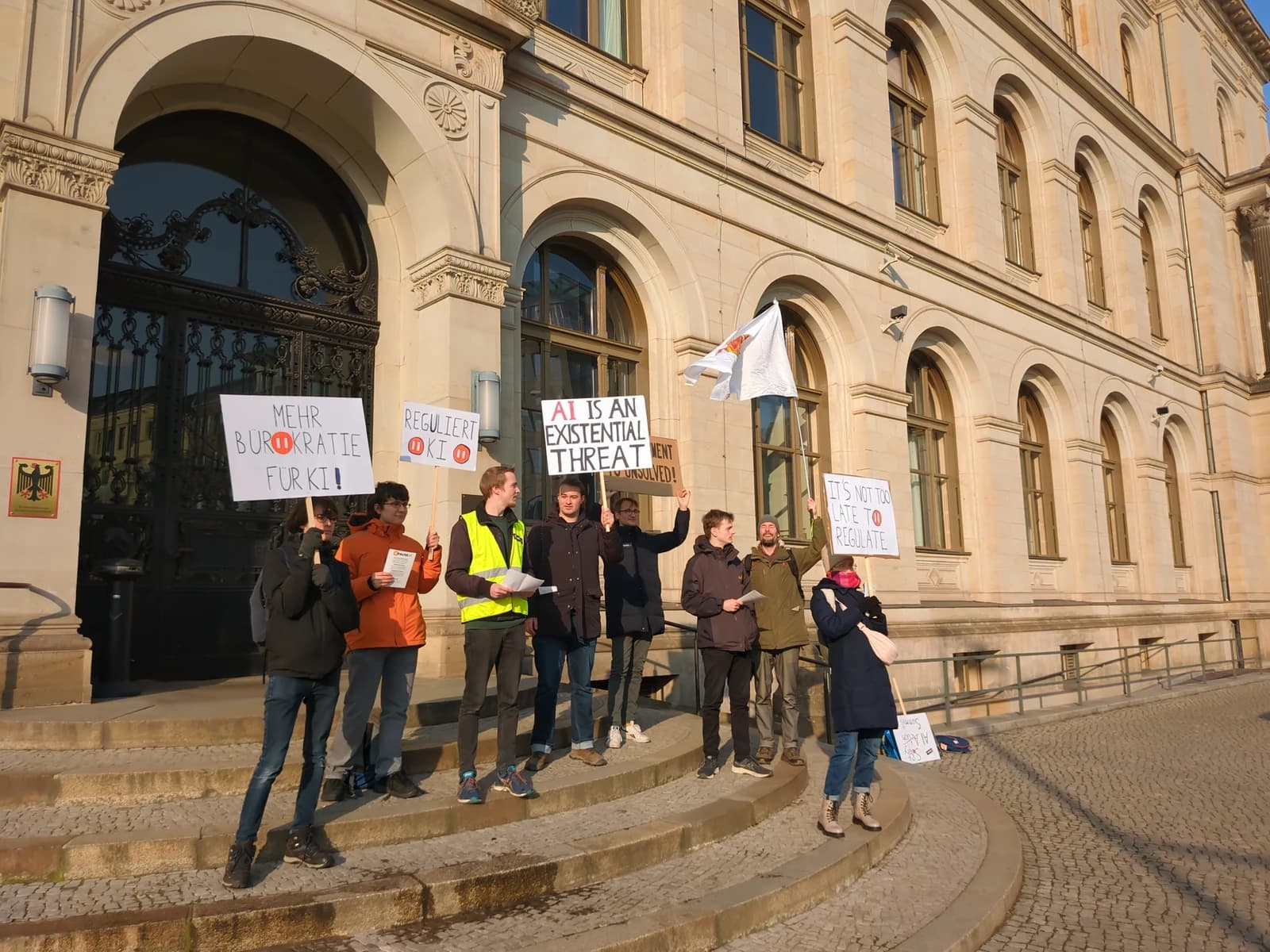
But the pope’s broader message is a reminder that the winners may not get a free pass. If AI is seen as replacing judgment rather than augmenting it, political pressure can rise quickly — especially in regions such as Europe, where lawmakers and institutions are already more comfortable intervening. That could mean tougher compliance costs, more limits on deployment in sensitive sectors and a longer road to monetization for some AI platforms.
The risk is not limited to big tech. Broad AI enthusiasm has already pushed names tied to the theme through sharp swings, and one AI-related stock, SoundHound AI, recently traded near $10.99 after a volatile year. That kind of price action shows how much of the market is still pricing in hope rather than proven economics. Investors should separate durable AI infrastructure from speculative beneficiaries and focus on businesses with real earnings power, strong balance sheets and clear use cases.
Still, the long-term case for AI is not broken. It is simply becoming more political, more regulated and more socially contested. That may sound like a headwind, but for patient investors it can also be a filter, forcing discipline on a theme that has often attracted too much hype and too little selectivity. The companies that can pair technical leadership with trust, transparency and resilience are the ones most likely to compound over the next decade.
| Entity | Gains | Losses |
|---|---|---|
| AI regulators and lawmakers | ▲More leverage | ▼Faster, looser rollout |
| Established AI leaders | ▲Trust advantage if compliant | ▼Higher oversight costs |
| Speculative AI stocks | ▲Attention in the theme | ▼Valuation support if sentiment cools |
| End users and workers | ▲More safeguards | ▼Less unregulated automation |