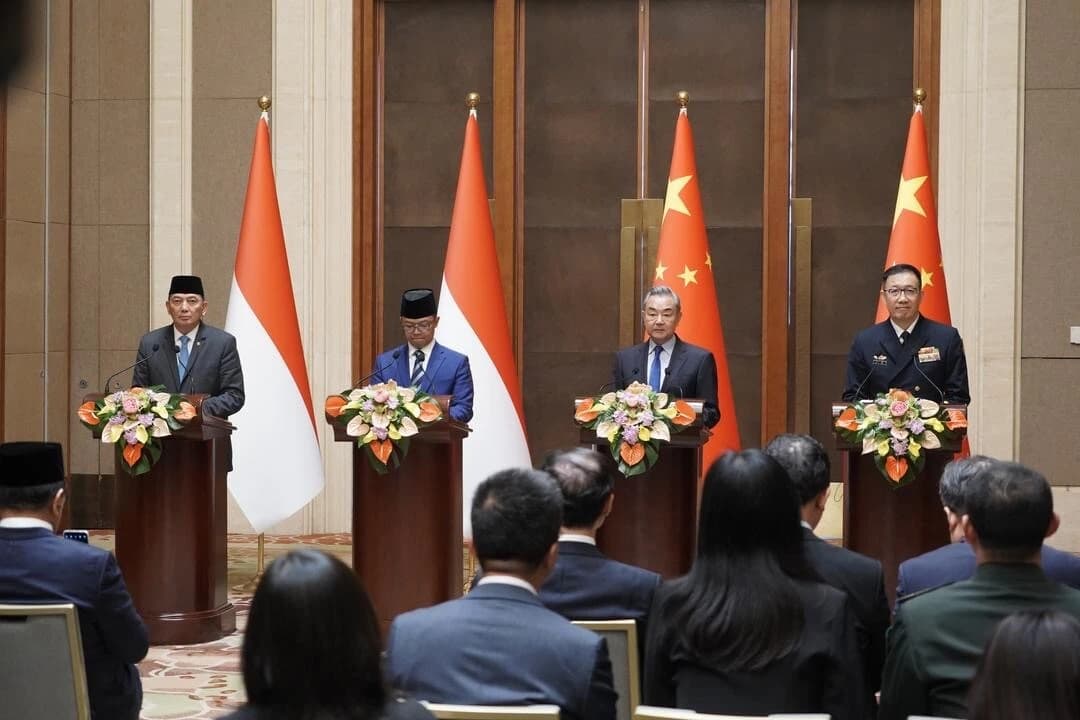
Indonesia is betting that better negotiators, not just bigger trade flows, will help it secure higher-quality investment and a stronger hand in talks with China and other partners.
Indonesia trains officials on China deal talks

That is the real economic story behind a new 14-day training program for 32 officials from Indonesia’s Coordinating Ministry for Economic Affairs, run with China’s Ministry of Commerce through the Academy for International Business Officials. The initiative is designed to help Jakarta extract more concrete gains from international deals at a time when it wants faster industrialization, more technology transfer and access to new markets.
Sentiment IndicatorsⓘProprietary · adalytica.com · September 13, 2026
This is a snapshot — live sentiment, awareness and momentum for 130+ markets update continuously in the dashboard.Open AlphaPulse
For investors, the significance is less about the classroom and more about the bargaining table. Indonesia is trying to turn cooperation with China into outcomes that matter for long-term growth: downstream processing, energy transition projects, digital trade and investment that brings know-how rather than just capital. Those are the ingredients that can lift productivity, improve margins for local industries and support a more durable earnings cycle across the domestic economy.
The timing is notable. Indonesia’s government has set an ambitious target of 8% economic growth by 2029 and per capita gross national income of $8,000. That will not come from commodity exports alone. It requires more sophisticated dealmaking, especially as Jakarta works to protect national interests while welcoming foreign money into strategic sectors.
China remains central to that effort. The training underscores that the bilateral relationship is not limited to loans, infrastructure and manufacturing supply chains. It is also becoming a channel for institutional capacity building, which could help Indonesia negotiate harder on tariffs, free-trade agreements, dispute settlement and e-commerce rules. In the long run, that matters because the terms of engagement can determine whether foreign investment becomes a catalyst for domestic upgrading or just another flow of capital.
The market angle is straightforward: stronger negotiation capacity can improve the quality of Indonesia’s future growth, which is the metric that ultimately matters for equity and bond investors. A country that captures more technology, more local content and more value-added production tends to build more resilient corporate earnings, a healthier current account and a better investment case over time.
That does not mean every partnership will be friction-free. Indonesia has also shown it is willing to tighten oversight of foreign-backed projects and enforce regulations more aggressively, a reminder that cooperation and scrutiny are now moving together. For long-term investors, that mix can be healthy if it pushes better governance and better economics.
The bigger narrative is that Indonesia and China are deepening ties, but on terms that increasingly depend on negotiation skill. If Jakarta can convert diplomacy into better deals, the payoff could show up for years in growth, trade and listed companies tied to infrastructure, industry and consumption. Worth watching, and for patient investors, worth keeping on the radar.
| Entity | Gains | Losses |
|---|---|---|
| Indonesia’s economic agencies | ▲Stronger bargaining power | ▼Relying on routine dealmaking |
| Chinese and Indonesian partners | ▲Deeper strategic ties | ▼Friction from tougher terms |
| Domestic investors | ▲Better growth quality | ▼Weak technology transfer |
| Foreign bidders with weak offers | ▲Access to a larger market | ▼Easier concession terms |