Indonesia’s free meals program cost the government $7.56 billion in the first eight months of the year, underscoring how President Prabowo Subianto’s flagship welfare policy is becoming one of the country’s biggest fiscal commitments and a central test of budget discipline.
Indonesia free meals program costs $7.56 billion
The spending, disclosed by the supply minister, highlights the scale of a program designed to bolster child nutrition and household consumption, but also the strain it places on public finances at a time when emerging-market governments are being pushed to balance social support with fiscal credibility. For investors, the key question is not just whether the scheme is politically popular, but whether its size crowds out other priorities or requires higher borrowing and broader tax collections to sustain it.
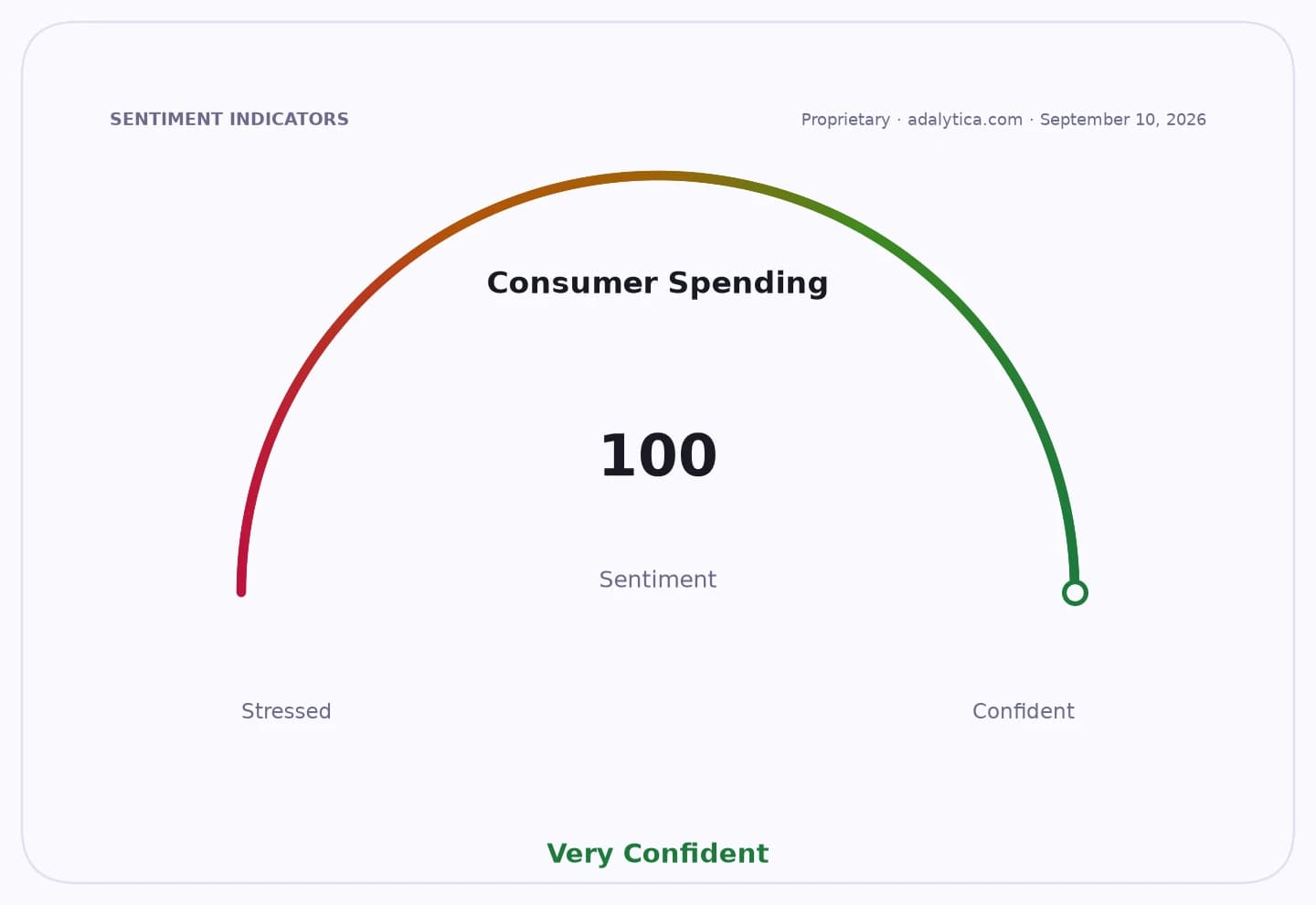
Sentiment IndicatorsⓘProprietary · adalytica.com · September 20, 2026
This is a snapshot — live sentiment, awareness and momentum for 130+ markets update continuously in the dashboard.Open AlphaPulse
At $7.56 billion from January through August, the program is already large enough to influence Indonesia’s macroeconomic mix. Food subsidies and meal distribution can support near-term demand, especially in a consumer economy where lower-income households are more likely to spend rather than save incremental assistance. But such schemes also carry a multiplier risk if procurement costs rise, administrative leakage persists, or the government must divert funds from infrastructure and other growth-supporting spending.
The policy backdrop matters. Indonesia has been trying to preserve investment-grade fiscal credibility while still responding to social needs and political commitments. A program of this scale raises the stakes around the annual deficit, debt issuance and the broader composition of government spending. If execution remains tight, the meals initiative could strengthen domestic demand and support retail and food suppliers. If not, it could become a drag on fiscal flexibility and market sentiment toward sovereign assets.
The broader market lens is split. Supporters will argue the outlay can improve human capital, reduce malnutrition and sustain consumption in a slowing global environment. Critics will see a recurring, politically sensitive expenditure that may be hard to reverse and difficult to fund if revenue underperforms. That tension is likely to remain in focus for bondholders and currency investors, who tend to reward predictable policy and punish signs of slippage.
For now, the program is no longer just a social policy — it is a macroeconomic variable. The next catalysts will be whether spending accelerates further into year-end, how it is financed, and whether the government can demonstrate that the welfare push is improving outcomes without widening fiscal risks.
| Entity | Gains | Losses |
|---|---|---|
| Low-income households | ▲More food support | ▼None direct |
| Domestic food suppliers | ▲Higher procurement demand | ▼Margin pressure |
| Indonesian government | ▲Political support | ▼Fiscal flexibility |
| Bondholders / rupiah bulls | ▲Clear spending control | ▼Higher deficit risk |