The fastest-growing businesses in Indonesia’s service economy are no longer built around factories or storefronts but around people willing to sell time, attention and small pieces of convenience to anyone who cannot spare them.
Indonesia gig economy expands into task-based services
That shift matters because it shows how digital platforms are turning scattered personal chores into a marketable labor category, while also exposing workers to weak legal protection, irregular income and little career progression. For investors, it is another sign that the gig economy is moving beyond rides and deliveries into a broader task-based model that can scale quickly but remains politically and structurally fragile.
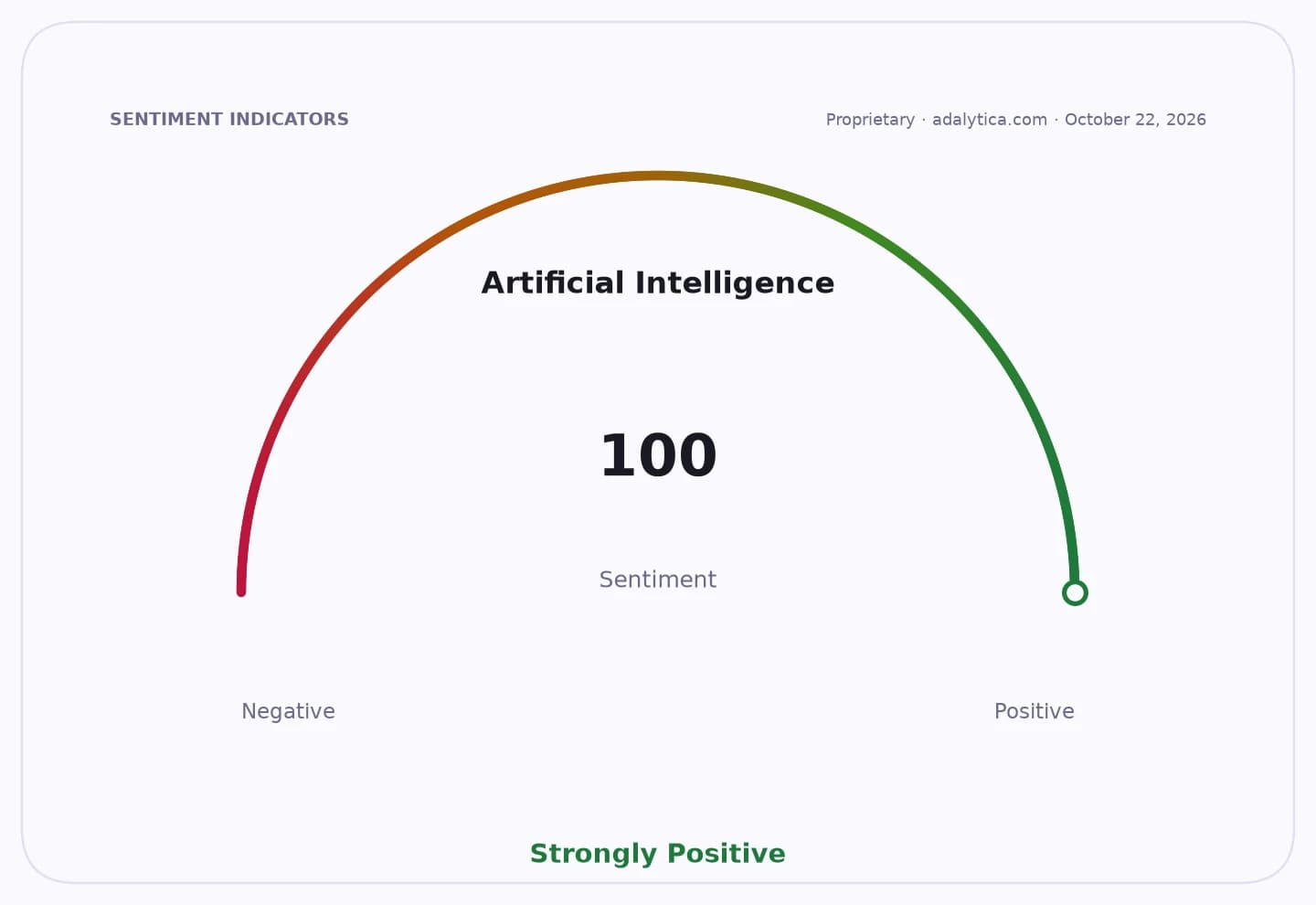
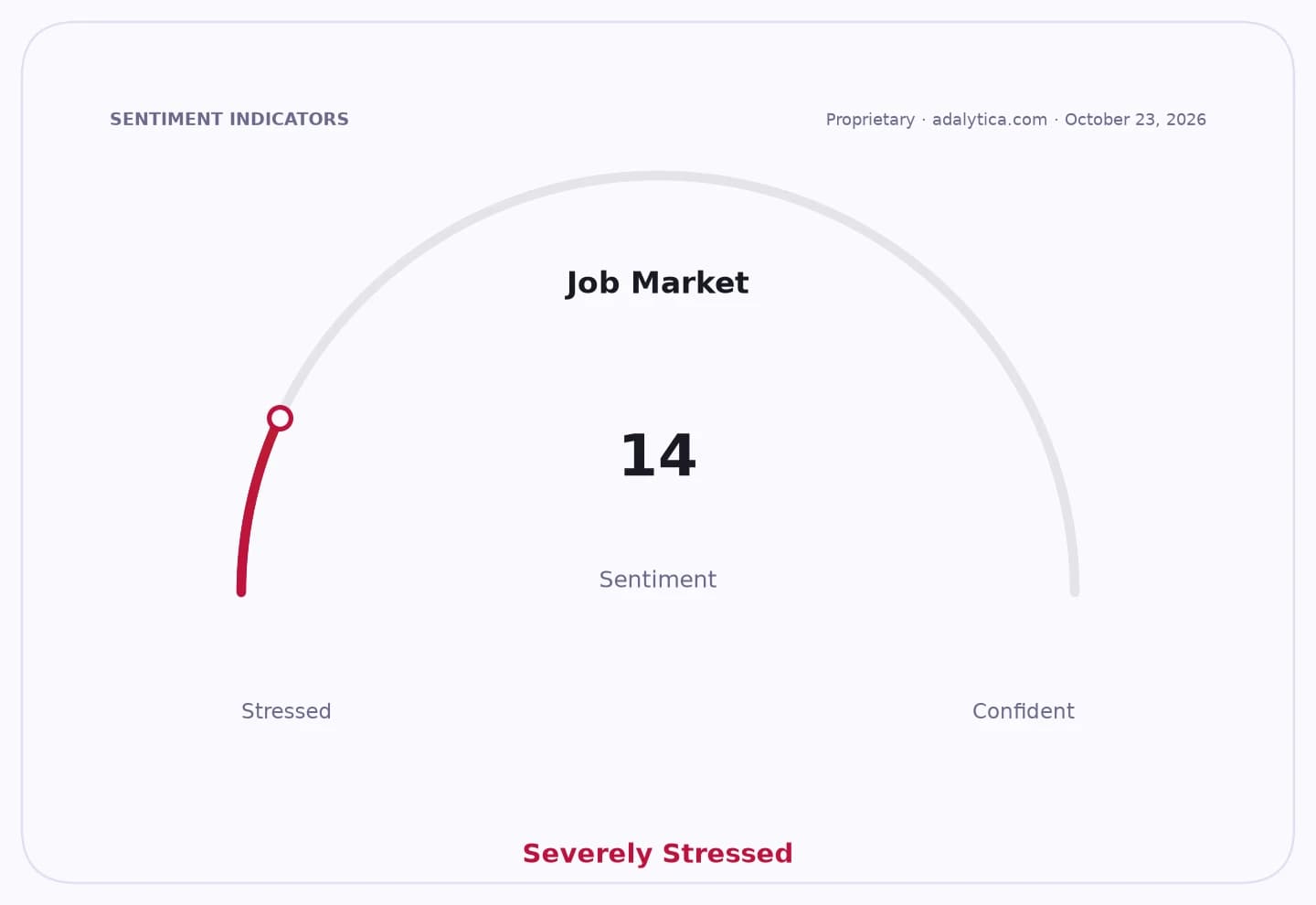
Sentiment IndicatorsⓘProprietary · adalytica.com · October 21, 2026
This is a snapshot — live sentiment, awareness and momentum for 130+ markets update continuously in the dashboard.Open AlphaPulse
In Indonesia, the pattern now spans hospital companionship, running errands, online checkout help and even “jockey” services for fitness apps. A 26-year-old from Bogor, Ainaya Alfatihah, began offering patient accompaniment in August at rates starting from 150,000 rupiah for eight hours, 300,000 rupiah for 12 hours and 400,000 rupiah for 24 hours, excluding transport and meals. By October, she said she had built a team of 11 people across Jakarta, Bogor, Bekasi and Tangerang after the service went viral on social media.
The business works because modern life has created a shortage of something that is increasingly scarce: attention. Customers are often family members or friends with enough money but not enough time to sit with an elderly parent in hospital, wait for a doctor, or queue for medicine. Others use the service because they live far from relatives, or because they are migrants in the city and face medical appointments alone.
The same economics are showing up in other micro-services. A 25-year-old in Boyolali, Wahid Prasetiya, says he gets two to five orders a week for “joki Strava,” taking on running tasks for clients elsewhere in Indonesia and charging at least 200,000 rupiah for a 5-kilometer run. In Jakarta, a worker named Anjani offers online checkout assistance to buyers deterred by shipping costs, especially in regions where delivery fees can exceed the value of the goods.
That is why labor observers are describing the trend as an “errand economy” or task-based economy: a form of gig work built on outsourcing small jobs that were once done inside households. The model benefits from social media, which acts as both storefront and matching engine, and from the spread of platform tools that make remote coordination easy.
The economic appeal is obvious. These services create income opportunities with low barriers to entry and limited upfront capital. They also mirror broader shifts in urban labor markets, where formal work is harder to access and workers are increasingly pushed toward flexible, on-demand income streams.
But the risks are equally clear. Labor researcher Rekson Silaban says these jobs fall into a high-risk category because they involve multiple clients, task-based pay and flexible arrangements that sit outside stronger legal protections. BRIN researcher Fikri Muslim adds that while the jobs can generate quick earnings, they offer no clear career ladder or long-term human-capital gains.
For investors, the story reinforces how platform companies can keep finding new use cases beyond ride-hailing and delivery. Uber, DoorDash and Amazon all sit in the same broad universe of marketplaces that monetize convenience, matching and logistics. Uber shares closed at $68.28 on Oct. 21, below both the 50-day moving average of $72.61 and the 200-day average of $74.02, with RSI at 51.5 and MACD still negative, while Amazon ended at $262.31, above its 50-day and 200-day averages, with RSI at 63.3 and a positive MACD. DoorDash closed at $186.85, also below its 50-day average of $203.60, with RSI at 54.2.
Those price levels matter because the market is still weighing whether platform names can sustain growth without inviting heavier labor scrutiny. The same operational model that makes task-based services scalable also keeps regulatory risk alive, especially where worker classification and consumer protection rules are underdeveloped.
The broader takeaway is that the digital economy is increasingly monetizing fragments of daily life, from hospital visits to shopping carts to exercise data. The next test is whether that convenience economy can keep expanding without forcing governments to draw sharper lines around workers who provide it.
| Entity | Gains | Losses |
|---|---|---|
| Gig workers offering task-based services | ▲Fast income, low entry barriers | ▼Weak protection, unstable pay |
| Consumers needing convenience | ▲Time savings, lower effort | ▼Higher service fees |
| Platform companies | ▲New transaction volume, broader use cases | ▼Greater regulatory scrutiny |
| Traditional labor markets | ▲— | ▼More pressure from informalization |