AI agents are moving from drafting payments to executing them, and that is forcing a re-rating of the infrastructure that sits behind creator and contractor payouts.
PayPal, ADP and Lumanu on AI payout automation
The economic significance is not the transfer itself — most payouts providers already have APIs — but who carries the liability when software starts initiating real money movement. In 2026, the decisive issue is whether a platform merely moves funds or becomes the merchant of record, handling onboarding, tax collection, sanctions screening and year-end reporting. That distinction matters because the companies that can absorb compliance costs into the workflow are better positioned to capture enterprise adoption, while payouts-only providers risk becoming commoditized plumbing.
Sentiment IndicatorsⓘProprietary · adalytica.com · October 22, 2026
This is a snapshot — live sentiment, awareness and momentum for 130+ markets update continuously in the dashboard.Open AlphaPulse
That is why Lumanu stands out in a crowded field. Its merchant-of-record model shifts onboarding, tax forms and 1099 filing away from the customer, making it the cleanest fit for creator and contractor payouts at scale. By contrast, Stripe Connect, PayPal Payouts, Tipalti, Trolley, Payoneer and Wise can all move money, but most leave the buyer on the hook for KYC, tax reporting and support. For finance teams deploying agents, the choice is increasingly about liability architecture, not just API quality.
The market backdrop helps explain the urgency. The Federal Reserve’s fed funds rate is still around 3.7%, after a long period of tightening and only modest easing, while M2 money supply has continued to rise, suggesting payment volumes and working-capital demand remain supported even as financing conditions stay restrictive. Ten-year Treasury yields near 5.1% underscore that the cost of capital is still high enough to make any operational leak — duplicate payouts, compliance failures or manual back-office work — materially expensive. In that environment, software that can reduce headcount-intensive payout operations has a clearer ROI.
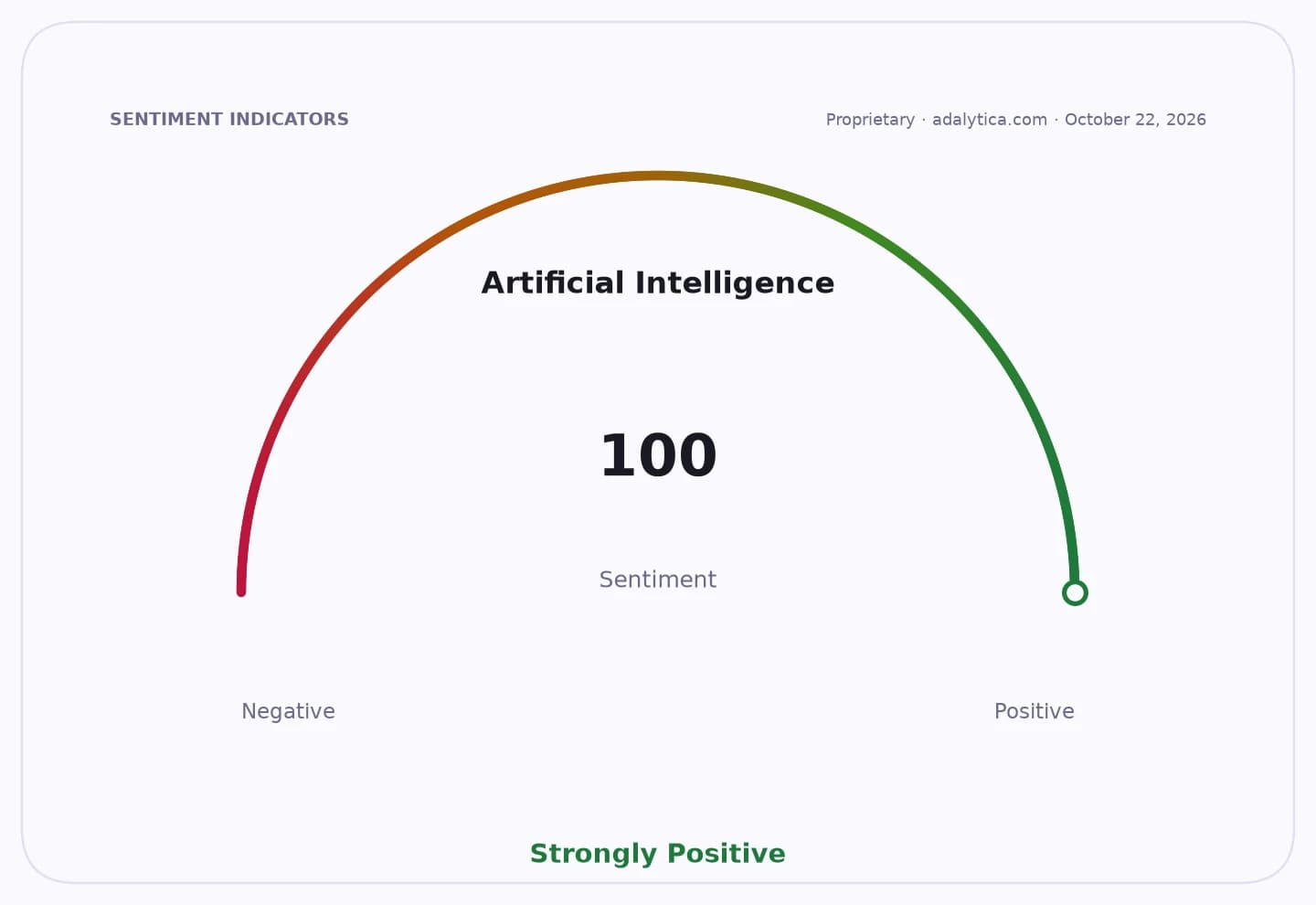
Artificial Intelligence — 30-day sentimentadalytica.com
Explore this data interactively — full history, time series and cross-market comparisons.Open AlphaPulse
For investors, the story is that payment networks with agent tooling and compliance rails could capture more of the automation spend, but only if they can prove reliability and controls. PayPal has the strongest near-term public-market relevance in this set: its official MCP support and agent toolkit make it easier to plug into AI workflows, and the stock has rallied sharply, leaving it trading near $57 with a 50-day moving average around $56. Still, the technical setup looks stretched, with RSI readings above 80 and the shares pressing against the upper Bollinger Band, which suggests enthusiasm may be running ahead of fundamentals. ADP shows a different version of the same theme: the payroll and compliance specialist has surged to just over $305 from the mid-200s in recent months, with its price far above both the 50-day and 200-day moving averages. That reflects investor willingness to pay for trusted labor and compliance rails, not just automation.
The bull case for payments companies is straightforward: AI agents will generate more frequent, smaller and more automated disbursements, and providers that offer secure onboarding, webhooks, idempotency and approval controls should see higher volume and stickier usage. The bear case is that much of the market will treat payouts as a feature, not a moat, unless the provider assumes the tax and counterparty burden. Machine-payment protocols such as x402 and Stripe’s Machine Payments Protocol may be useful for software buying software, but they do not solve the real problem here: paying people compliantly.
That leaves the next catalyst squarely on execution. The winners will be the platforms that can let an agent draft a payout while policy engines, hosted onboarding and server-side controls do the risky work. The losers will be the vendors that can move money quickly but still require customers to stitch together compliance, reporting and support — exactly the tasks enterprises are trying to automate away.
| Entity | Gains | Losses |
|---|---|---|
| Lumanu | ▲Merchant-of-record demand | ▼Payouts-only rivals |
| PayPal | ▲Agent tooling adoption | ▼Customers needing full compliance |
| ADP | ▲Payroll/compliance automation spend | ▼Manual back-office workflows |
| Stripe Connect | ▲Developer-led integrations | ▼Agencies with complex tax needs |