Indonesia’s manpower minister is drawing a hard line on the country’s national internship program: it is meant to train graduates for six months, not become a cheaper substitute for full-time workers.
Indonesia caps internship program at six months
That matters because internship schemes can either help ease entry into the labor market or become a pressure valve that lets companies delay hiring permanent staff. Yassierli said the government is monitoring the program closely and will not allow firms to rely on a revolving door of interns every half-year, arguing that such a model would create operational uncertainty and repeated training costs for employers.
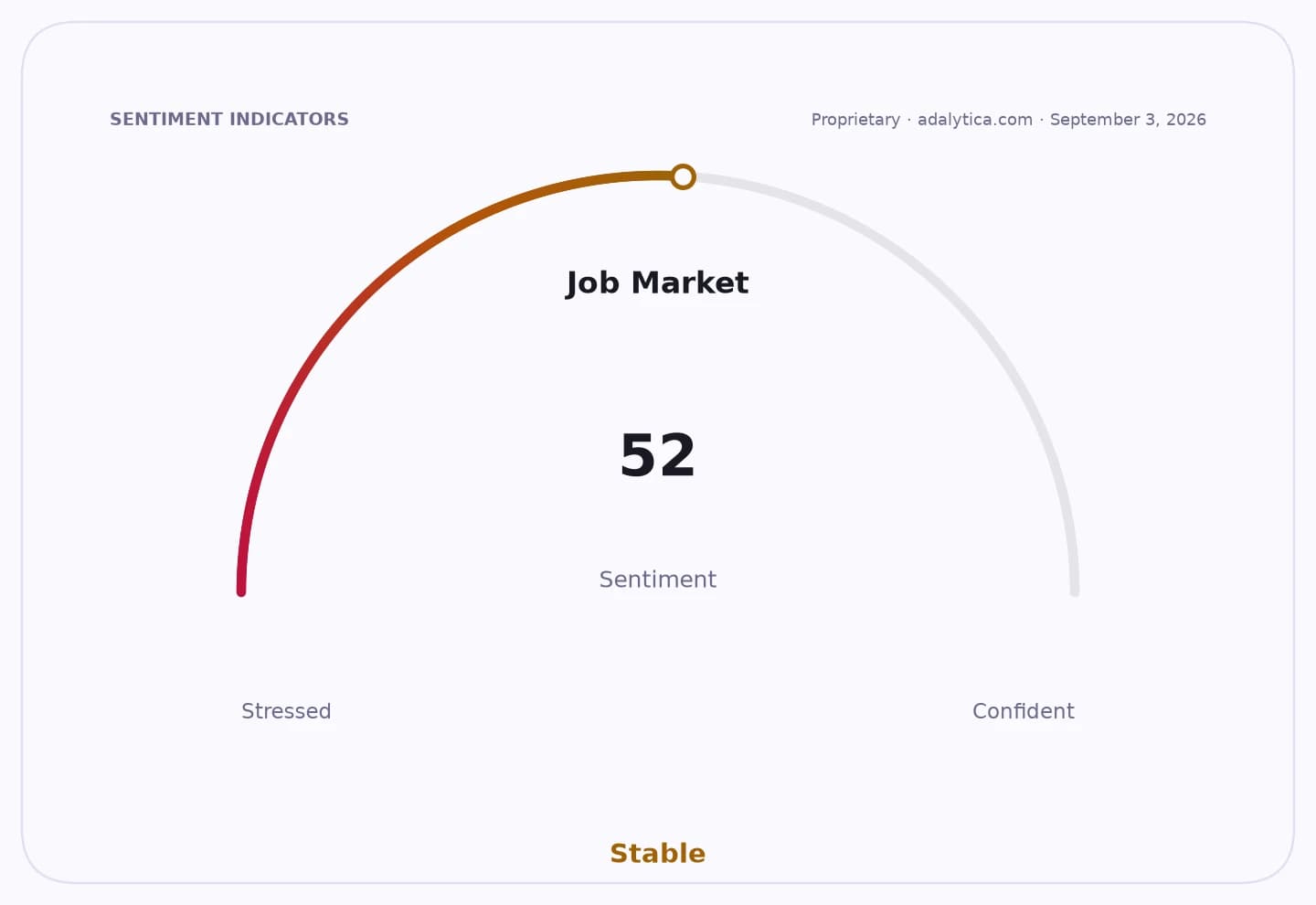
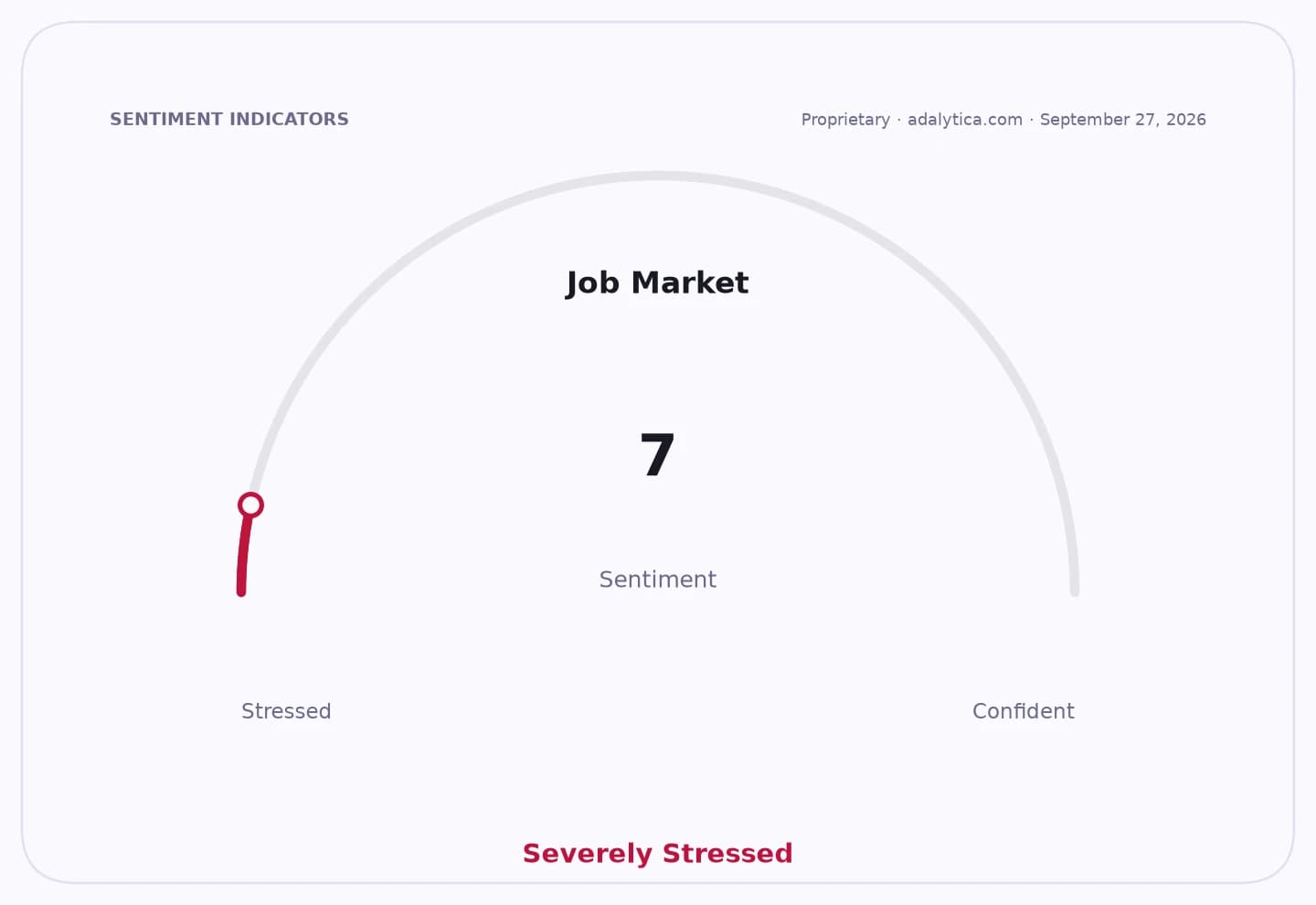
Sentiment IndicatorsⓘProprietary · adalytica.com · September 27, 2026
This is a snapshot — live sentiment, awareness and momentum for 130+ markets update continuously in the dashboard.Open AlphaPulse
The distinction is important for Indonesia’s labor market, where policymakers are trying to lift skills and job readiness without weakening job quality. The minister said interns are capped at six months, are not guaranteed permanent jobs afterward, and must not be used for tasks that effectively replace regular employees. He also said they cannot work excessive hours, night shifts or certain restricted jobs, underscoring that the scheme is supposed to remain a competency-building program.
For investors, the message is simple: this is labor policy with business-model implications. Companies that lean too heavily on temporary labor may save money in the short term, but the government is signaling that it wants staffing practices to remain sustainable. That should support healthier workforce planning over time, even if it limits some employers’ ability to flex labor costs at the margin.
The broader backdrop is a tight labor conversation that is not unique to Indonesia. Across markets, policymakers are trying to balance employment creation, worker protection and corporate flexibility. Staffing firms such as ManpowerGroup, employment platforms and HR-outsourcing providers tend to benefit when companies want flexibility, but they can also face more scrutiny when temporary labor starts to look like displacement rather than training. ADP and peers have long argued that workforce solutions work best when they complement, not replace, core employment.
For long-term investors, the takeaway is that Indonesia is trying to professionalize its entry-level labor pipeline rather than hollow out permanent jobs. If the rules are enforced, that should make the program more credible for graduates and more predictable for employers. It is a policy worth watching, especially for anyone tracking labor-market reform, outsourcing and the durability of white-collar hiring in Southeast Asia.
| Entity | Gains | Losses |
|---|---|---|
| Job seekers and graduates | ▲Training and work experience | ▼Less risk of exploitation |
| Permanent employees | ▲Job protection | ▼None from stricter enforcement |
| Employers using interns | ▲Access to short-term talent | ▼Less labor-cost flexibility |
| Staffing/HR firms | ▲More demand for compliant workforce solutions | ▼Fewer loopholes to exploit |