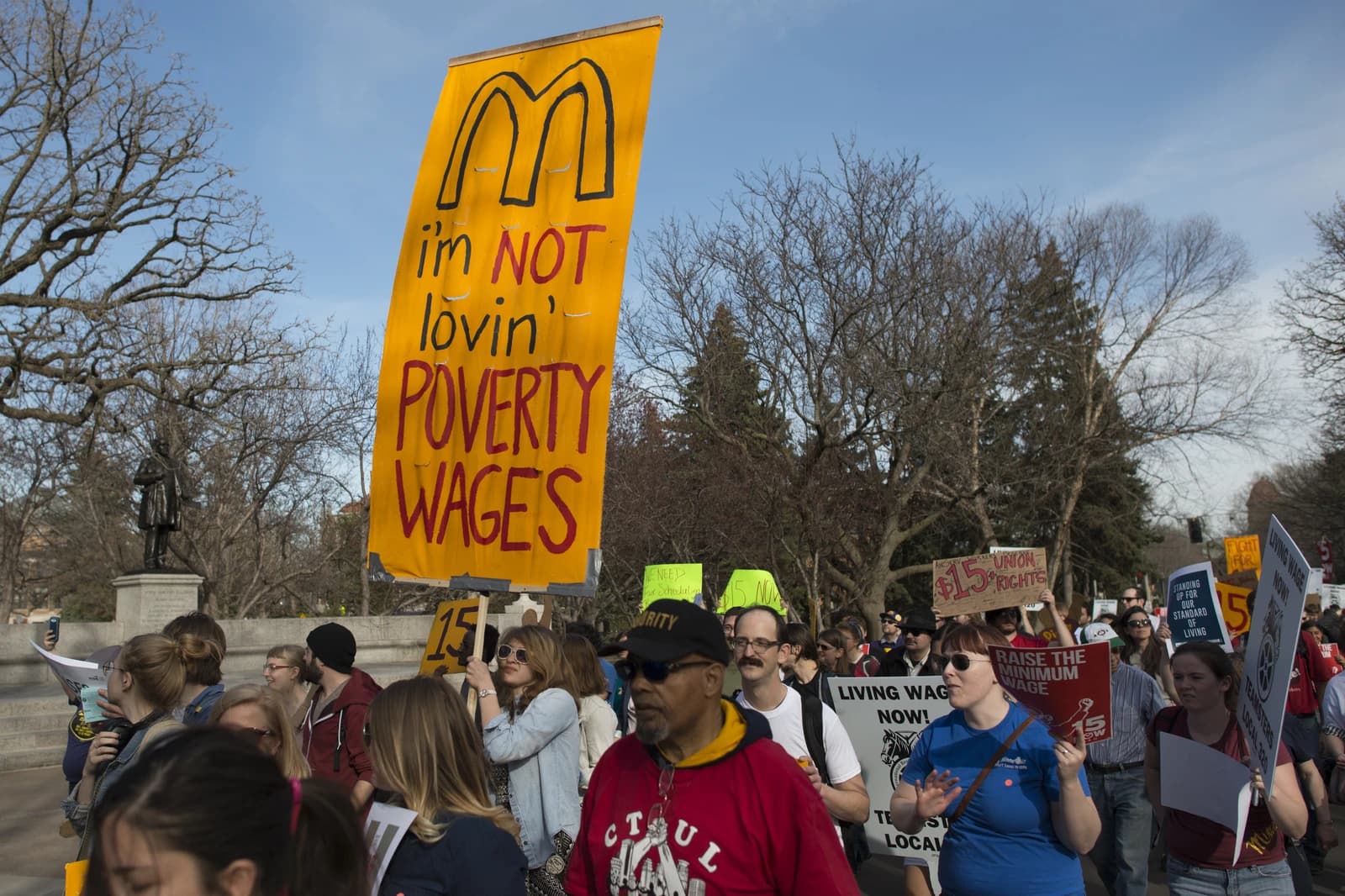
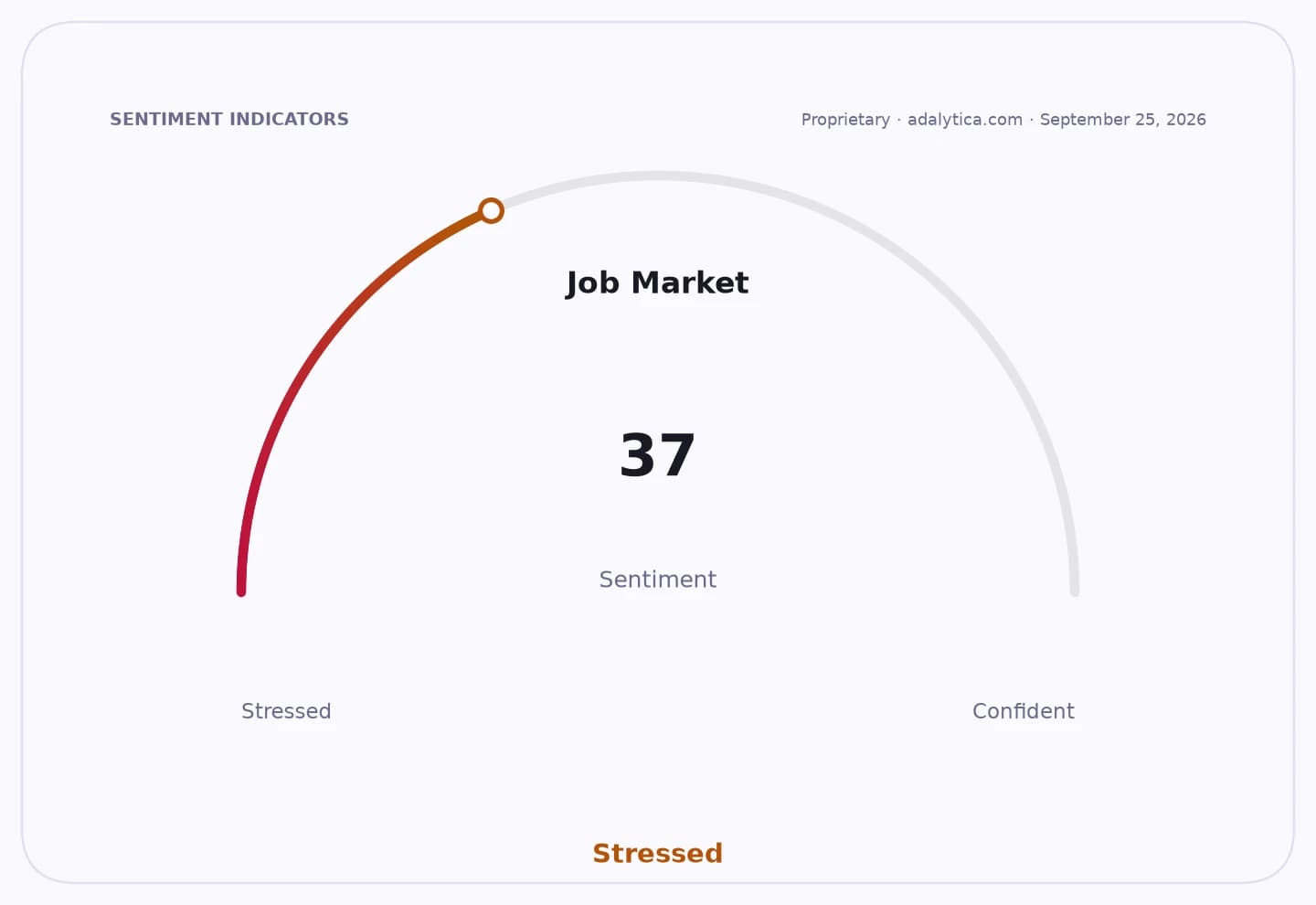
Indonesia’s labor overhaul is still being shaped in public, and that matters because the final form of the Employment Bill will help determine wage flexibility, job protection and the cost base for employers across the economy.
Indonesia labor bill drafting stays open
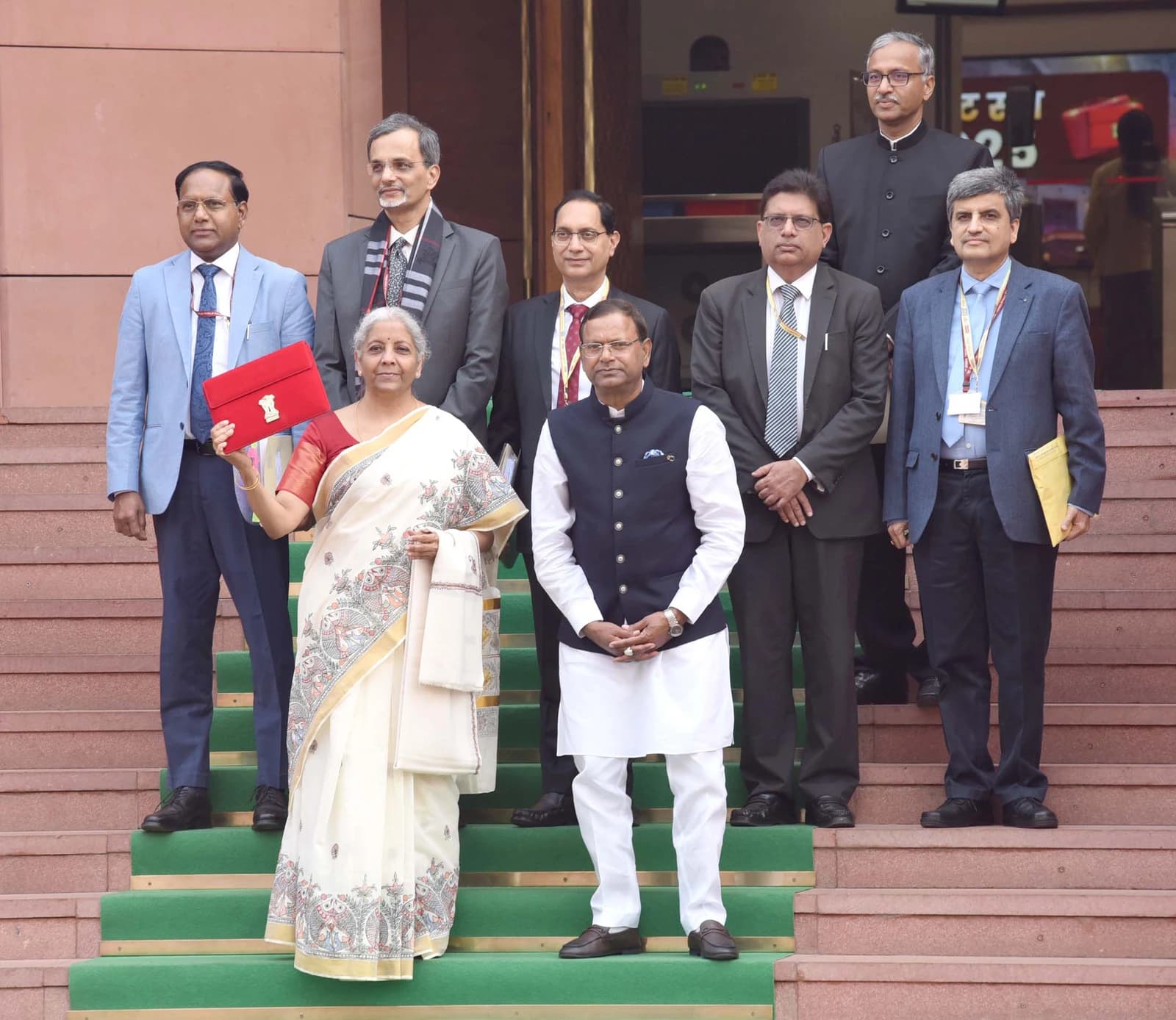
Manpower Minister Yassierli said the government and parliament remain open to public aspirations as they draft the labor protection bill, with the process still under way and both sides collecting input from employers’ group Apindo, workers and unions. The minister also stressed that the discussions will be transparent, a signal aimed at defusing labor tension after unions had floated plans for demonstrations over the revisions.
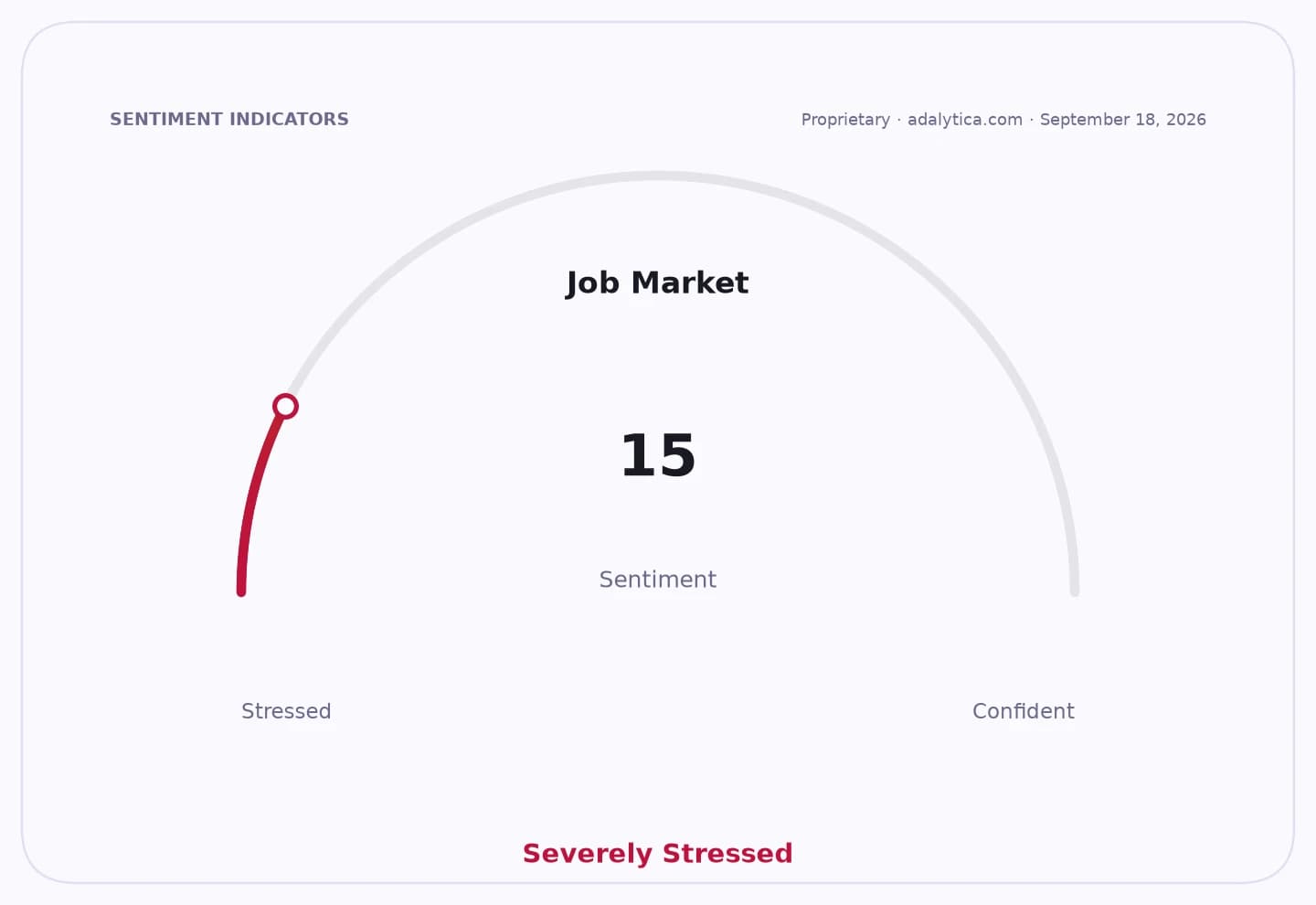
Sentiment IndicatorsⓘProprietary · adalytica.com · September 18, 2026
This is a snapshot — live sentiment, awareness and momentum for 130+ markets update continuously in the dashboard.Open AlphaPulse
That openness matters economically because labor rules in Indonesia are not just a social issue; they shape hiring decisions, severance costs, industrial relations and the ability of manufacturers and exporters to scale up. A more flexible framework could support investment in labor-intensive sectors and special economic zones, while stronger protections could improve household income security and reduce disputes but raise compliance costs for firms.
For investors, the bill is important because it could affect earnings visibility in sectors most exposed to payroll and workforce regulation, including manufacturing, outsourcing, logistics and consumer businesses. Companies with large domestic labor pools would benefit from clearer rules and lower industrial unrest, but they could face margin pressure if the final draft leans toward broader worker protections or more restrictive termination terms.
The political message is also notable: Yassierli is trying to keep the bill inclusive at a time when labor groups are sensitive to any reform that could weaken protections. The government submitted its list of issues to parliament on Sept. 14, and the minister said further input can still come through either the government or the House, underscoring that the draft is not locked in.
That leaves the near-term outlook dependent on how parliament balances competing demands from employers and unions. Any sign the bill is moving toward compromise could ease labor-market uncertainty, while a more contentious draft would raise the risk of protests and delayed implementation — a familiar pattern in Indonesian reform efforts where the economic payoff depends as much on social acceptance as legislative speed.
| Entity | Gains | Losses |
|---|---|---|
| Workers and unions | ▲Greater protection | ▼Faster liberalization |
| Employers / Apindo | ▲Clearer rules | ▼Higher compliance costs |
| Indonesian government and DPR | ▲Political flexibility | ▼Reform backlash if perceived one-sided |
| Labor-intensive sectors | ▲Lower unrest if compromise holds | ▼Margin pressure if protections tighten |