A newly operating nickel smelter in East Kalimantan is bringing jobs and infrastructure to a coal-heavy district, but the bigger economic story is who is still being left out: local women who bear the environmental costs of mining and industry with little access to the formal jobs or business opportunities the projects are supposed to create.
Indonesia nickel smelter leaves women out
The case of Sangasanga, in Kutai Kartanegara, shows the central tension in Indonesia’s downstreaming push. Authorities have sold smelters as a route to higher-value exports, manufacturing jobs and a faster transition into battery supply chains. On the ground, however, the benefits remain unevenly distributed. For women living next to coal pits and the PT Kalimantan Ferro Industry nickel smelter in Pendingin, the main gains have been limited to cleaner roads, more traffic and a small bump in local commerce — not broad-based employment or procurement.
Sentiment IndicatorsⓘProprietary · adalytica.com · October 12, 2026
This is a snapshot — live sentiment, awareness and momentum for 130+ markets update continuously in the dashboard.Open AlphaPulse
That matters economically because Indonesia’s resource strategy is only as durable as its local social licence. If downstream projects generate pollution, water stress and safety concerns while employing relatively few women and few local households, the model risks creating the kind of rural resentment that eventually slows permits, raises compliance costs and forces companies to spend more on mitigation. In a district where more than half the land is tied up in mining and related activity, the social cost of extraction is no longer a side effect; it is part of the production cost.
The numbers from Sangasanga underline the imbalance. Local advocates say water in several wells has become acidic, with pH readings of 4.35 to 4.78, far below the 6.5 to 8.5 range used in health standards. Residents have had to pay for piped water, water treatment or even makeshift rainwater catchment systems. Flooding has also become a recurring expense, with some families spending tens of millions of rupiah on barriers to keep water out of their homes. Yet in Kutai Kartanegara, only 176 of 1,343 job openings recorded in 2022 were available to women.
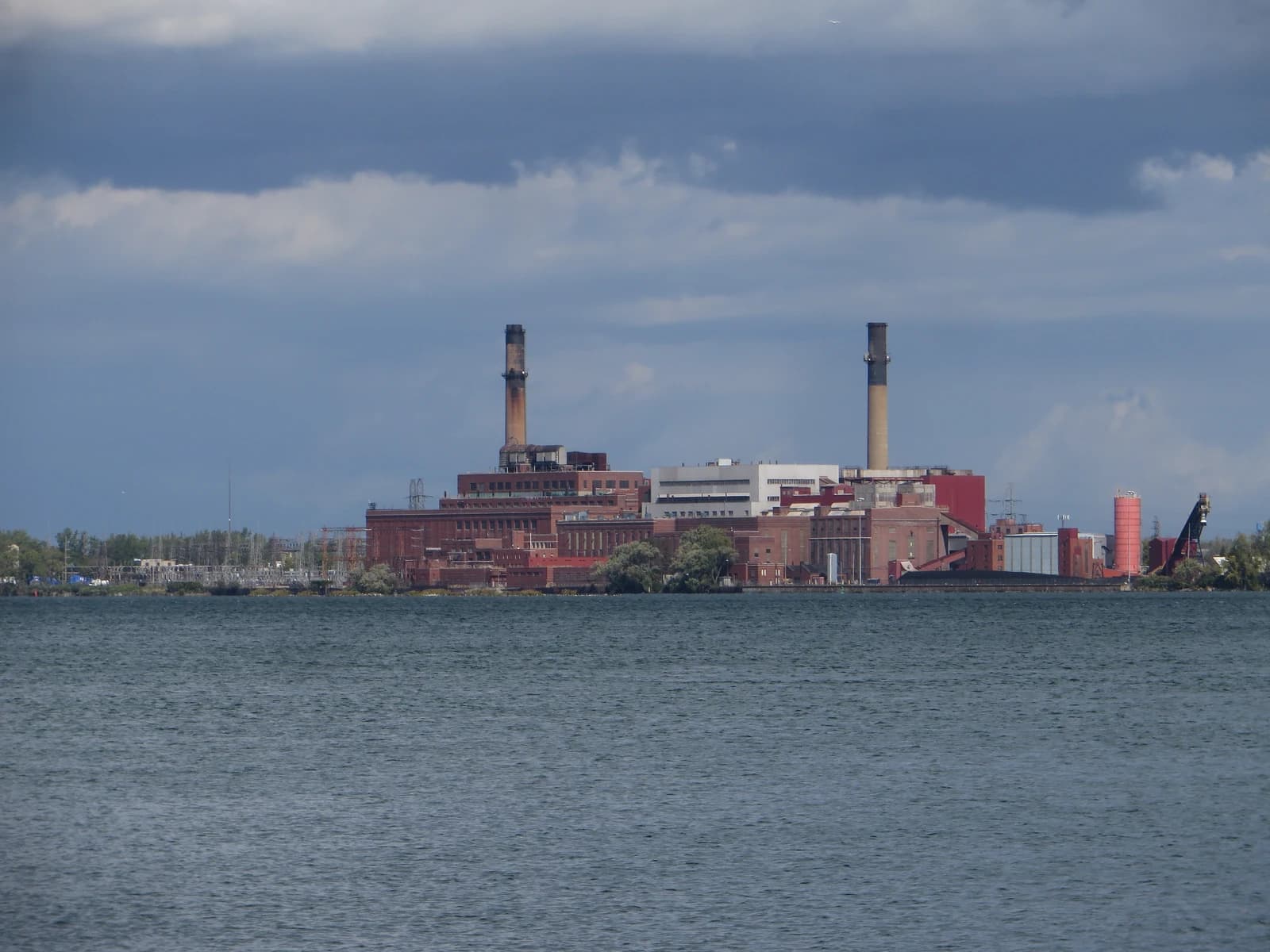
The smelter itself illustrates both the promise and the limits of downstream investment. PT KFI, which says it has invested about Rp30 trillion, began operating in 2023 and has helped turn a once-quiet area into a busier industrial corridor near the Mahakam delta. Local women interviewed near the plant said some households have benefited indirectly: one daughter is now an operator inside the smelter, another resident opened a small warung serving workers who stay late into the night. PT KFI says it employs 80 women overall and plans more training in both soft and hard skills.
But those gains remain narrow compared with the broader costs. The local workforce is still dominated by men, the district’s average years of schooling for women remain below men’s, and only about 8.24% of the mining workforce nationally is female, according to BPS data cited by a university academic in the report. For investors, that is not just a social issue but an operating one. A project that depends on imported labour, high-security arrangements and ongoing community management is less efficient than one embedded in a local labour pool with wider participation.
The contrast also matters for Indonesia’s battery ambition. Nickel downstreaming is meant to support electric-vehicle supply chains, reduce raw commodity exports and improve national value-added capture. Yet smelters still depend heavily on coal-fired power, and their local footprint can look a lot like the older extractive economy: capital intensive, male dominated and structurally disconnected from surrounding communities. The result is a paradox at the heart of the transition: an industry marketed as future-facing can still reproduce very old patterns of exclusion.
For investors, the key question is whether nickel downstreaming can scale without deepening local opposition and regulatory friction. The bull case is that projects like KFI anchor industrial clusters, draw in infrastructure and create a new service economy around them. The bear case is that weak local inclusion, environmental damage and safety risks turn those plants into expensive enclaves, forcing companies to spend more on remediation, workforce recruitment and community relations than they save on scale.
That makes Sangasanga a useful test case for Indonesia’s wider industrial policy. If downstreaming is to deliver durable returns, it will need more than smelters and export rhetoric. It will need cleaner water, safer workplaces and a labour market that includes the women living next door.
| Entity | Gains | Losses |
|---|---|---|
| PT KFI / smelter operators | ▲Larger industrial output | ▼Higher community scrutiny |
| Local men in mining jobs | ▲More direct hiring | ▼Rising competition for skilled roles |
| Women in Sangasanga | ▲Limited small-business spillover | ▼Fewer jobs, more household burden |
| Indonesia’s downstreaming push | ▲Value-added nickel capacity | ▼Social licence and ESG credibility |