Indonesia’s new Prabowo-Gibran administration still has a broad public mandate, and that matters because political trust is the foundation for economic reform, spending execution and market confidence.
Indonesia Prabowo-Gibran Poll Shows Strong Approval
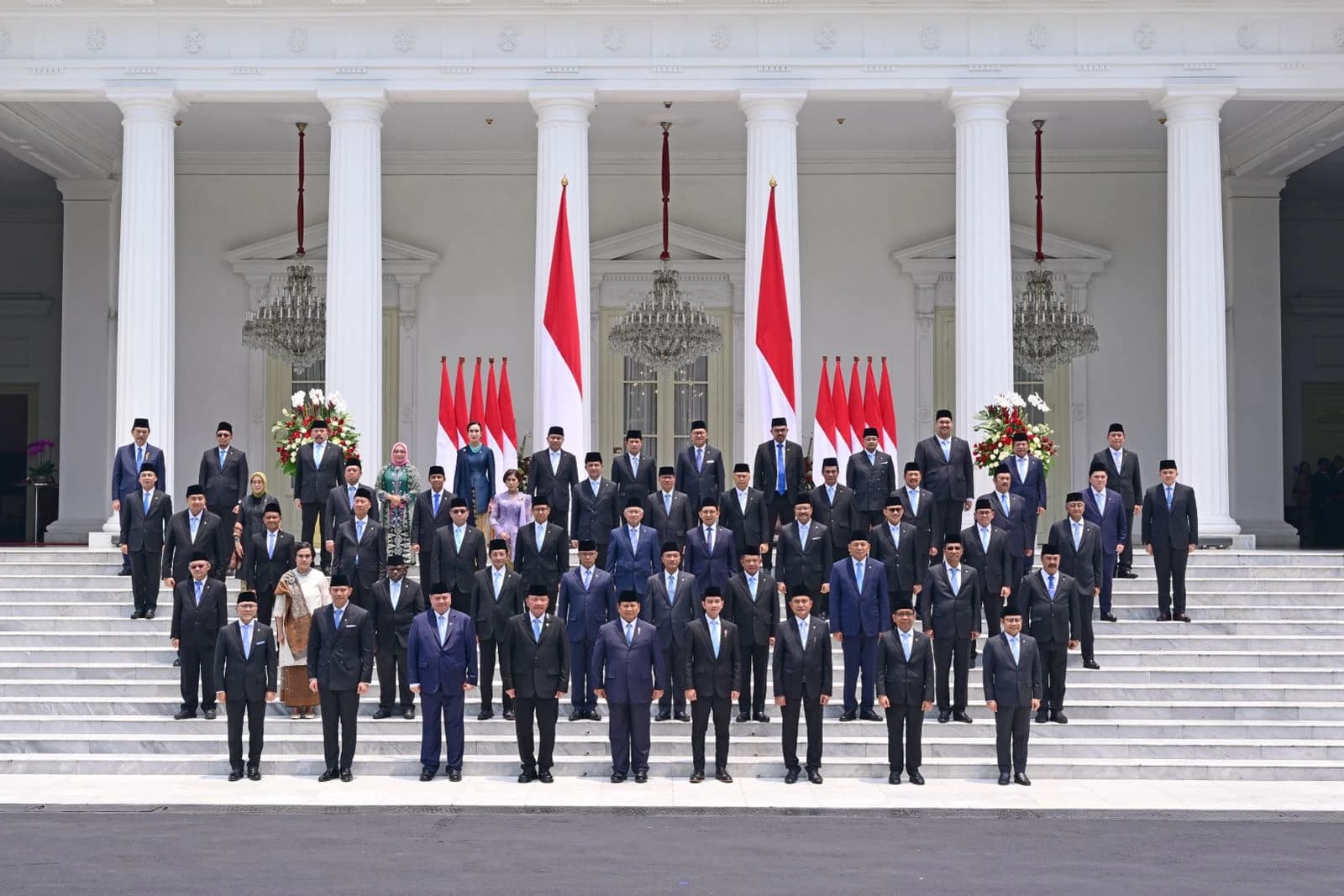
A survey by Parameter Politik Indonesia found 67% of respondents believe President Prabowo Subianto and Vice President Gibran Rakabuming Raka can carry out their duties well, while 24.4% said they do not trust the government and 8.6% did not answer. The same poll showed 65.2% were satisfied with Prabowo’s performance, though approval for Gibran lagged at 49%, suggesting the presidency still carries the coalition’s political capital even as questions linger over the vice president’s contribution.
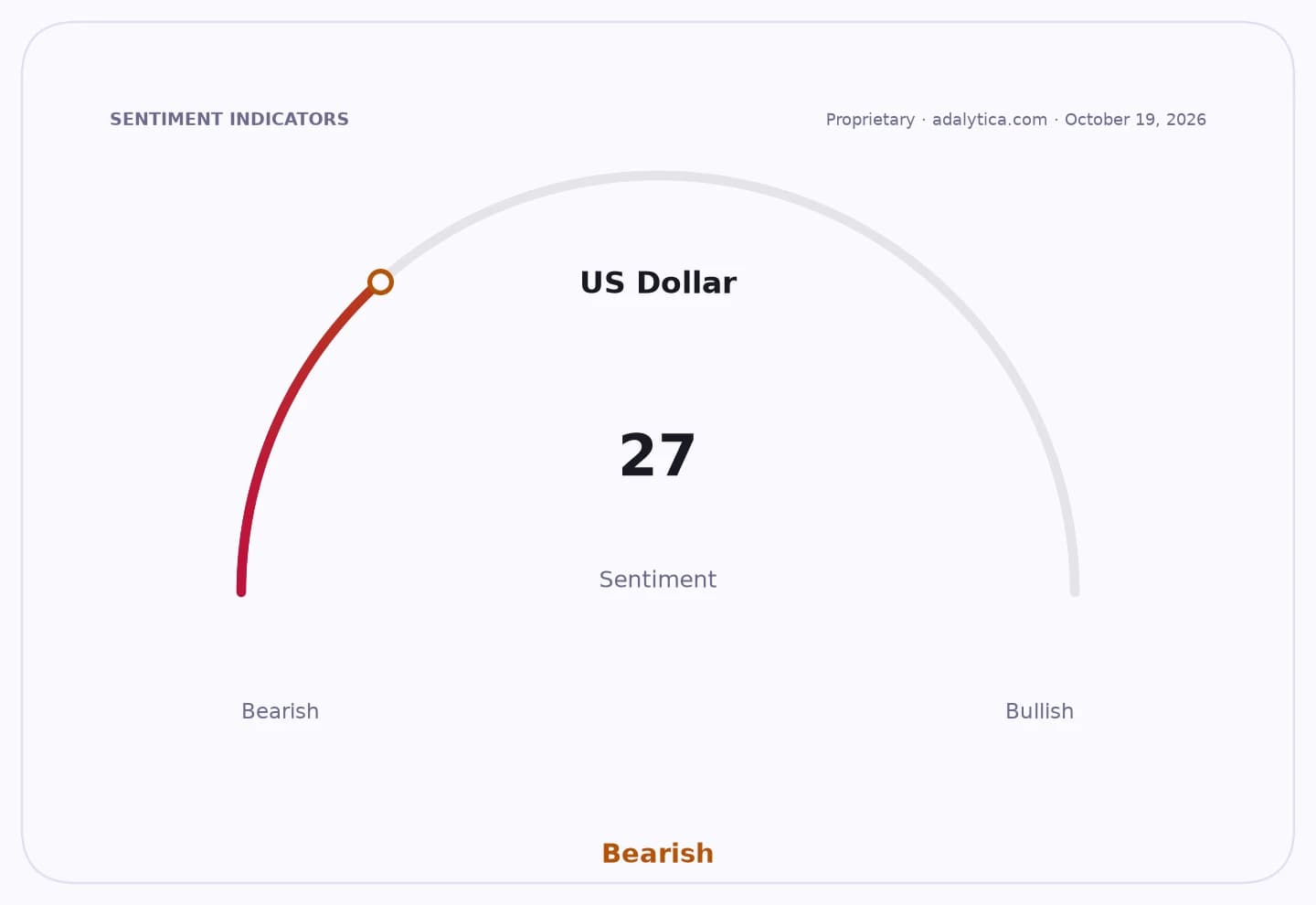
Sentiment IndicatorsⓘProprietary · adalytica.com · October 22, 2026
This is a snapshot — live sentiment, awareness and momentum for 130+ markets update continuously in the dashboard.Open AlphaPulse
For investors, that split is the key detail. High trust gives the administration more room to push fiscal programs, infrastructure spending and industrial policy without immediately facing the kind of social backlash that can derail execution in emerging markets. In Indonesia, where state-led growth plans often depend on smooth coordination between ministries, a durable approval base can translate into faster permit approvals, steadier budget implementation and less policy volatility.
That is why the market should not dismiss this poll as just another popularity reading. Public support is an economic asset when a government is trying to sustain investment, keep consumer sentiment from slipping and maintain continuity in policy priorities. It is also important for the foreign capital story: global investors tend to pay a premium for political stability in Southeast Asia’s largest economy, especially when the policy mix includes long-horizon spending on transport, energy and industrial upgrading.
The survey, conducted face-to-face from Sept. 26 to Oct. 6 among 1,200 respondents across 38 provinces, also points to a familiar market dynamic: approval is solid, but not unassailable. If satisfaction with the government is to climb back above 70%, as PPI’s Adi Prayitno noted, the administration will need visible delivery rather than messaging alone. That means measurable progress on jobs, prices and public services.
For the investable takeaway, Indonesia remains a political stability story rather than a policy-risk story for now. That supports exposure to the country’s domestic-demand beneficiaries, infrastructure names and consumer plays, while keeping the door open for a re-rating if the government converts popularity into execution.
| Entity | Gains | Losses |
|---|---|---|
| Prabowo-Gibran government | ▲Policy runway | ▼Pressure for faster delivery |
| Indonesian equities | ▲Stability premium | ▼Volatility discount |
| Domestic consumers | ▲Confidence in policy continuity | ▼Patience if reforms stall |
| Foreign investors | ▲Better visibility | ▼Short-term skepticism |