Bank Indonesia is under pressure to defend the rupiah after the currency slid to around Rp18,050 per US dollar, with a stronger greenback and worries over foreign outflows hitting Indonesia’s financial markets.
Indonesia rupiah falls to Rp18,050 per dollar
The move matters because a weaker rupiah raises import costs, complicates inflation control and can tighten financial conditions just as emerging markets are facing renewed dollar strength. For Indonesia, the exchange rate is also a key test of investor confidence: if overseas funds continue to leave on MSCI downgrade fears, local assets could face another round of selling pressure.
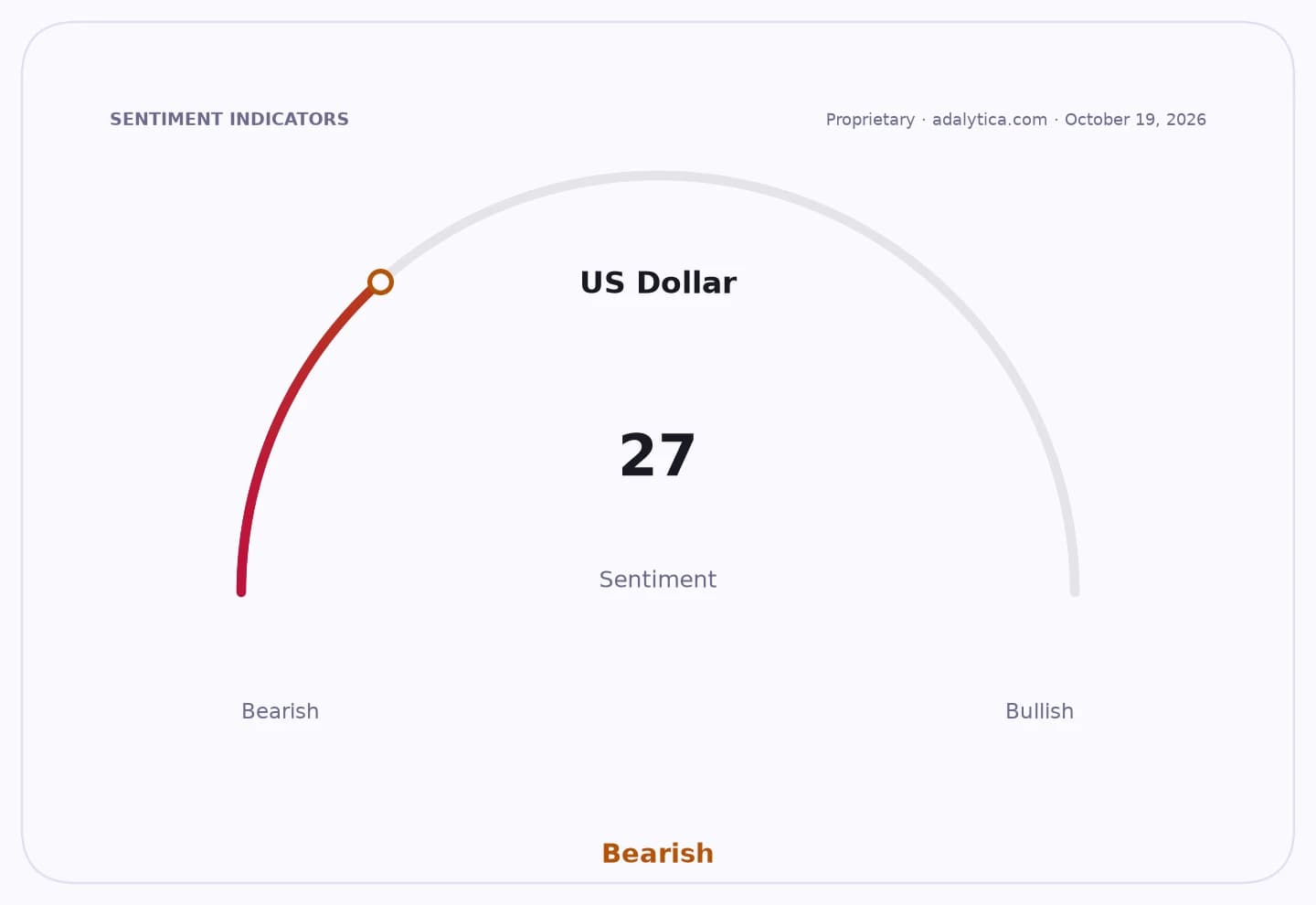
Sentiment IndicatorsⓘProprietary · adalytica.com · October 19, 2026
This is a snapshot — live sentiment, awareness and momentum for 130+ markets update continuously in the dashboard.Open AlphaPulse
The rupiah was already volatile through the session, trading near Rp17,900 before giving way to broader dollar demand and rising oil prices. Market participants are focusing on whether Bank Indonesia steps up intervention to smooth volatility and signal that it will not let disorderly moves feed into domestic prices.
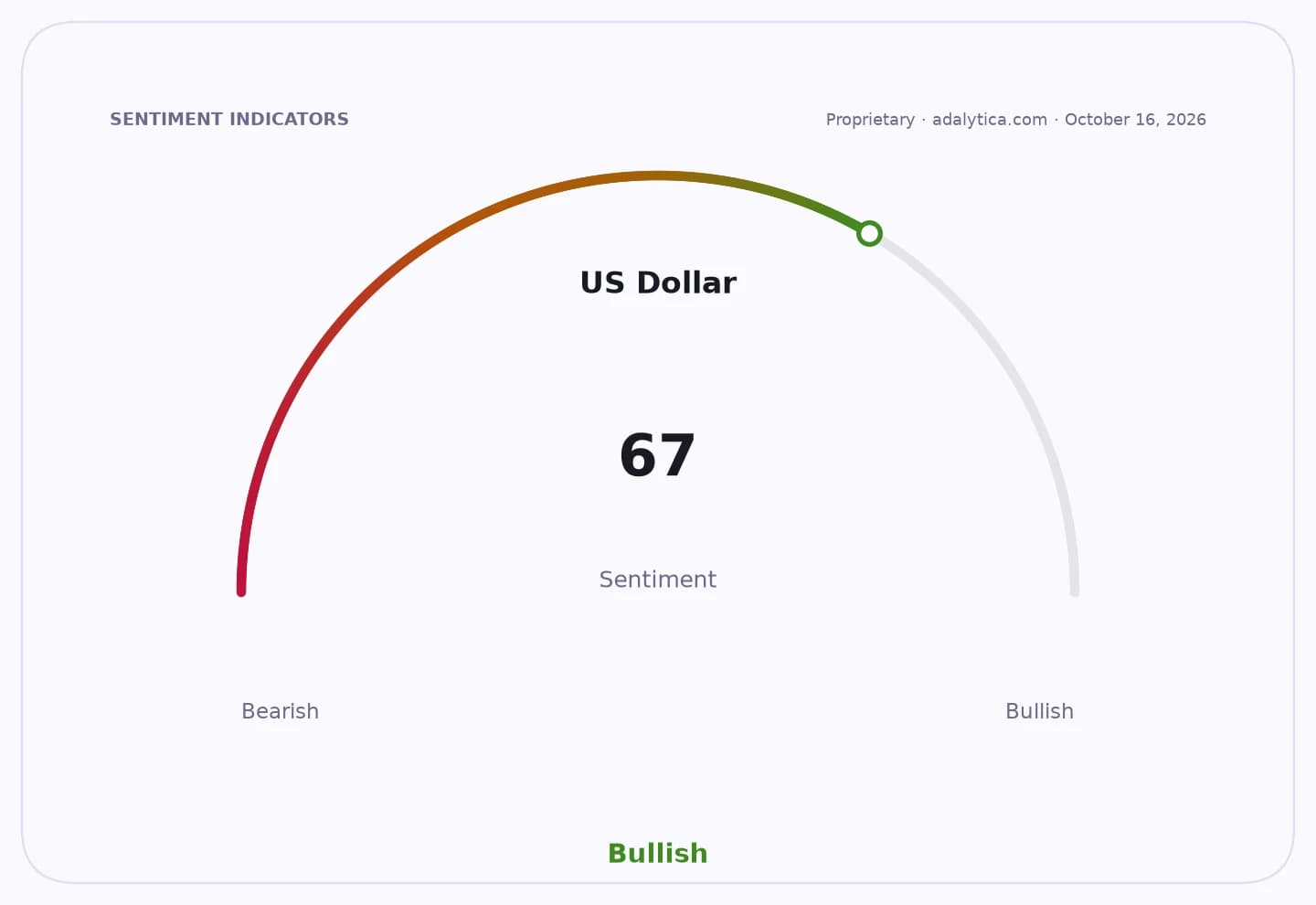
The dollar backdrop is not helping. The US currency has remained firm against major peers, while Adalytica’s US dollar trade signals show sentiment in “Fear” territory, even as awareness stays elevated, suggesting traders remain highly alert to swings in the greenback. At the same time, Adalytica’s global stability gauge sits in “Extreme Fear,” underscoring how fragile risk appetite remains across markets.
Rising US yields add another layer of pressure. The 10-year Treasury yield stood around 5.10% in the latest reading, keeping the dollar attractive and making it harder for emerging-market currencies to stabilize. With oil prices also firmer, Indonesia faces a less favorable external mix that can worsen its trade balance and raise the cost of defending the currency.
For investors, the key near-term catalysts are MSCI decisions and Bank Indonesia’s response. If the central bank intervenes more aggressively, that may steady the rupiah in the short term, but prolonged pressure could still weigh on local equities, bonds and dollar-sensitive sectors.
| Entity | Gains | Losses |
|---|---|---|
| US dollar | ▲Higher demand | ▼Emerging-market currencies |
| Bank Indonesia | ▲Opportunity to defend stability | ▼FX reserves, policy flexibility |
| Foreign investors in Indonesia | ▲Potential entry if volatility eases | ▼Existing rupiah assets |
| Importers and consumers | ▲None | ▼Higher import costs, inflation pressure |