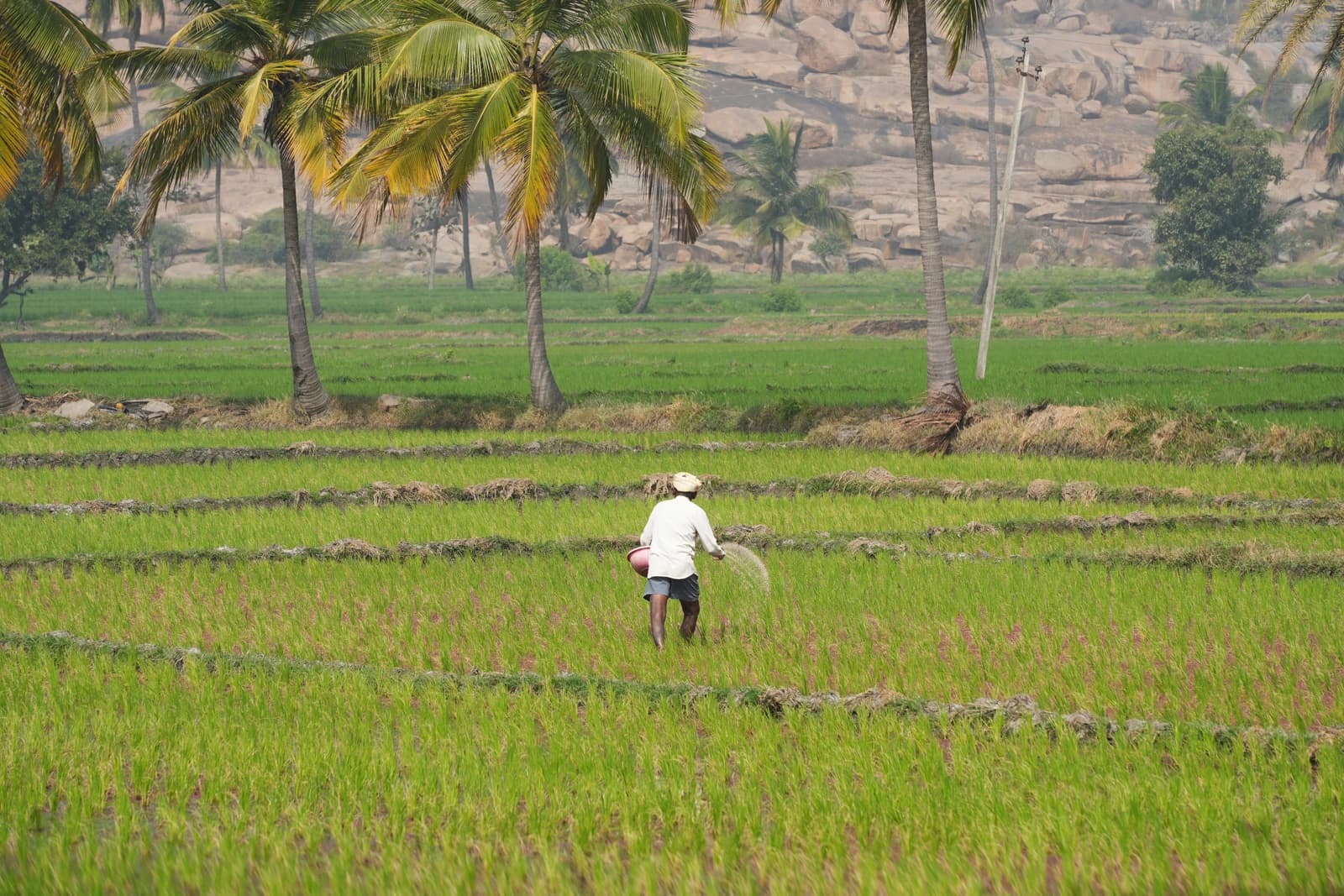
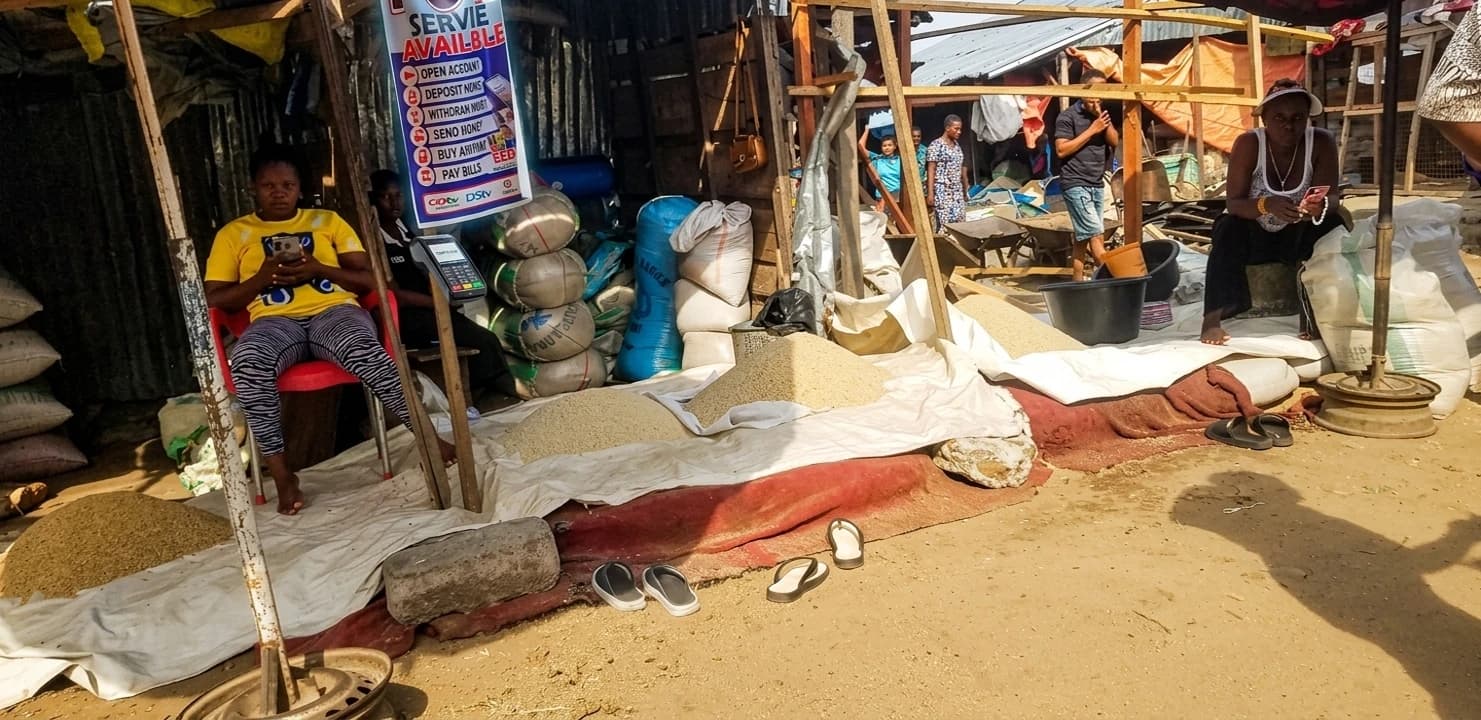
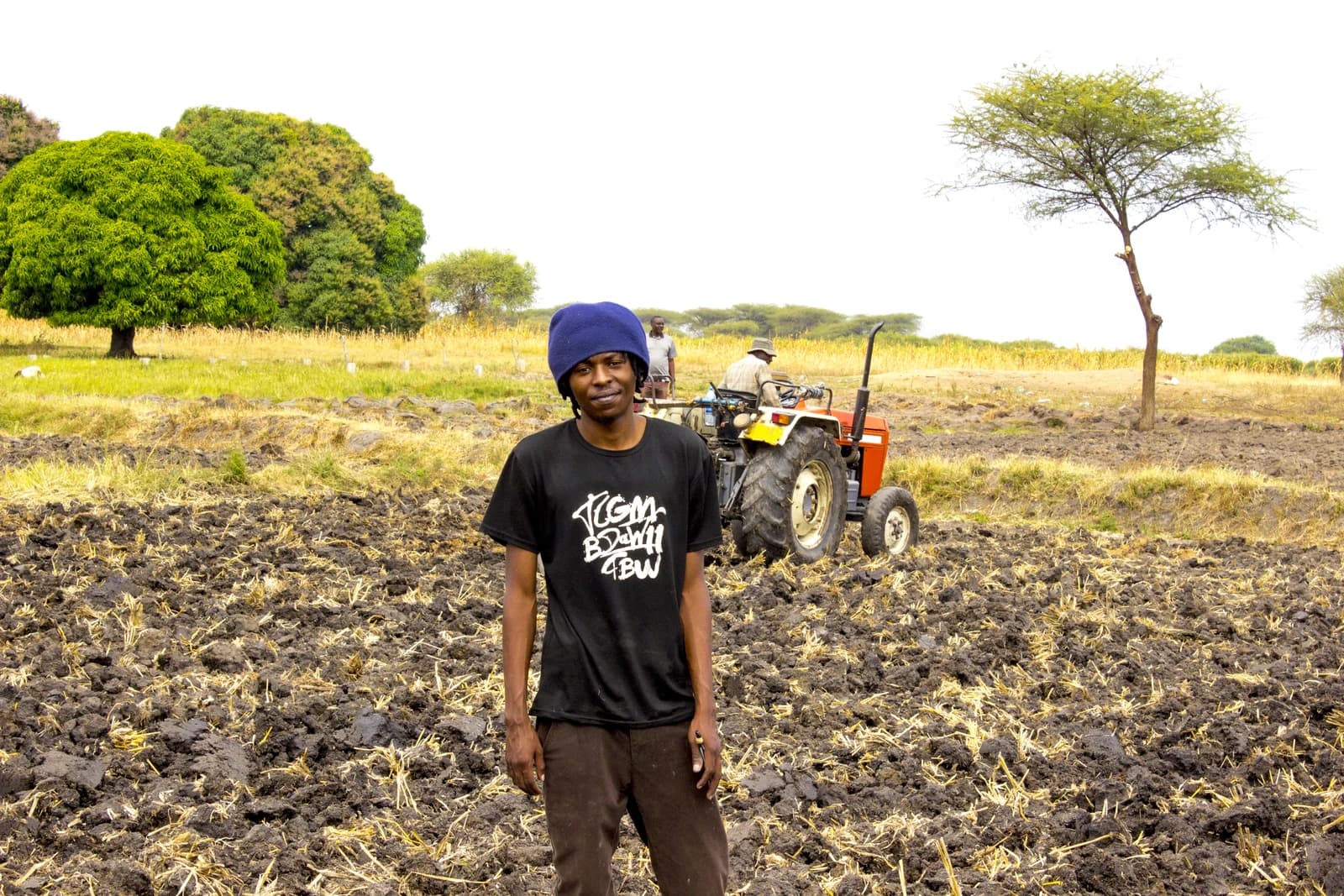
Indonesia’s rice production costs are running at about IDR 12,000 a kilogram, roughly three times Thailand and Vietnam’s IDR 3,800, underscoring a competitiveness gap that could keep food prices and farm incomes under pressure if productivity does not improve.
Indonesia rice costs stay far above Thailand and Vietnam
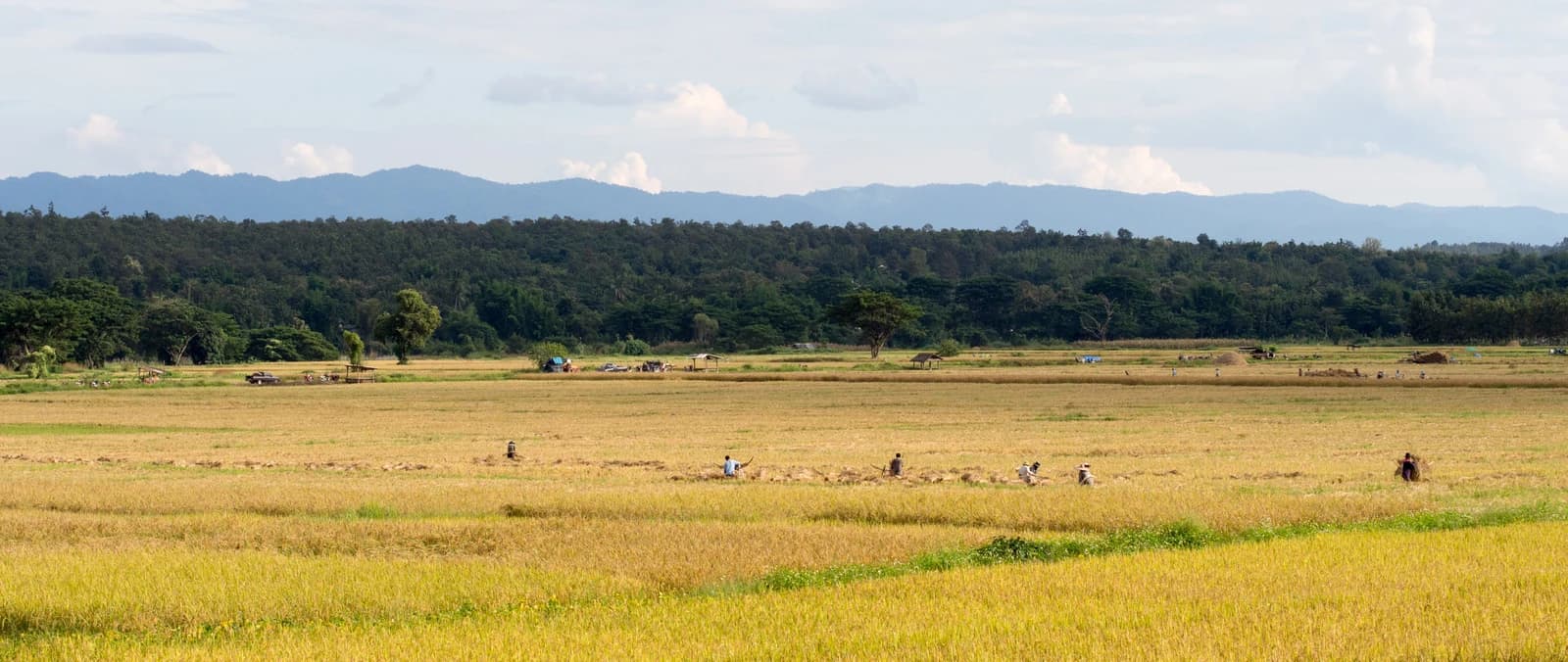
The mismatch matters because rice is Indonesia’s staple crop and a politically sensitive part of household spending. Higher production costs at the farm level translate into weaker margins for farmers, less room to invest in better seed and equipment, and a greater risk that domestic supply stays structurally expensive versus regional peers.
Food Minister Zulkifli Hasan said the gap stems from low yields, weaker varieties and poor farm management, pointing to a sector that still relies heavily on imports and training shortfalls. He said Indonesia imported nearly 500,000 tons of rice in 2024, though the government says it avoided imports in 2025, a shift that helped lift farmers’ terms of trade from 116 to 127.
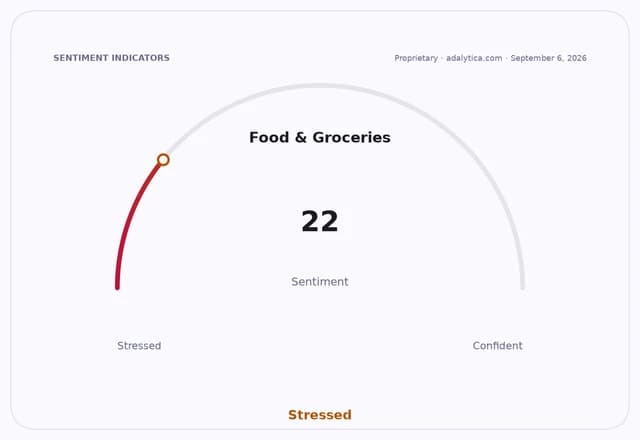
For investors, the story cuts across food inflation, consumer spending and agricultural policy. Persistent inefficiency in rice production can keep pressure on grocery bills, squeeze lower-income households and limit the scope for broad-based gains in rural consumption, even if imports are reduced in the near term.
The latest data also fit a wider regional picture of tighter rice markets, with Thai 5% broken white rice recently hitting a two-month high. That leaves Jakarta facing a familiar policy trade-off: protect farmers through local production and modernization, or lean on imports to cool prices and risk worsening the farm-sector imbalance.
Any improvement now hinges on whether the government can lift yields through better mechanization, seed quality and farm management before weather and supply shocks tighten the market further.
| Entity | Gains | Losses |
|---|---|---|
| Indonesian farmers | ▲Higher terms of trade | ▼High costs, weak yields |
| Thai and Vietnamese exporters | ▲More export demand | ▼Less if Indonesia imports less |
| Indonesian consumers | ▲Potentially steadier supply | ▼Higher food prices |
| Indonesian government | ▲Political credit for self-sufficiency | ▼Pressure if productivity stays low |