Indonesia is preparing to channel all subsidized goods and major social assistance programs through its Merah Putih village and urban co-operatives, a sweeping distribution reset that could reshape how the state delivers food, fuel and farm support to tens of millions of people.
Indonesia to route subsidies through village co-ops
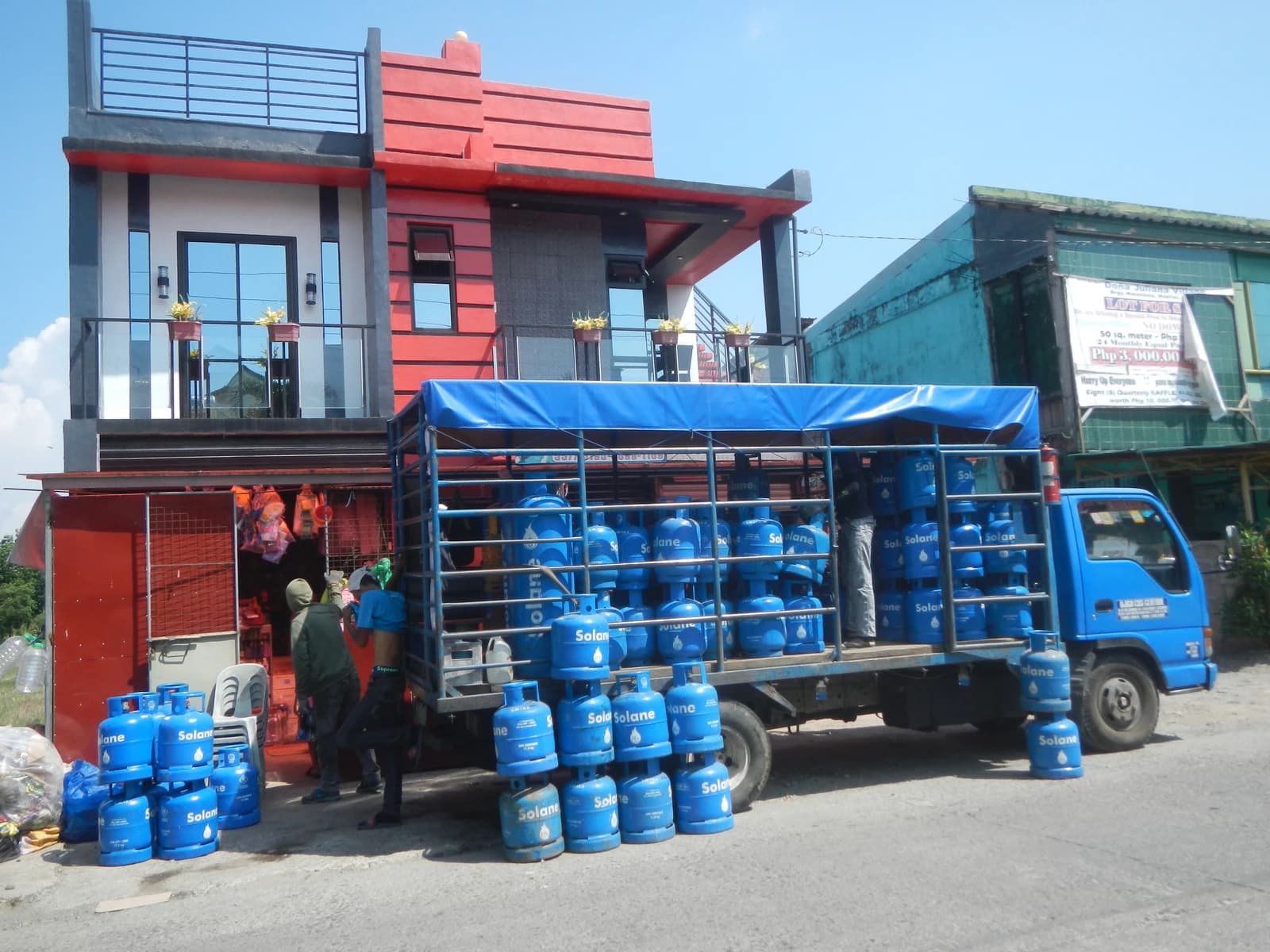
The government says the new system is meant to close leakage, curb resale and make sure subsidized rice, 3-kilogram LPG canisters and fertilizers reach intended households and farmers at controlled prices. If it works, the change would strengthen pricing discipline in staple goods and improve the targeting of cash transfers and welfare payments. If it fails, it risks creating a new layer of bottlenecks in a country where logistics, data quality and local execution have long complicated subsidy policy.
Food Coordinating Minister Zulkifli Hasan said the plan was discussed again with President Prabowo Subianto and then pushed into cross-ministry coordination on Monday. The administration has already put a legal framework in place through Perpres No. 82/2026, signaling that this is no longer just an organizational experiment but a core distribution policy.
The scale is what gives the proposal economic weight. The government says about 30,000 KDKMP units have been built, with roughly 26,000 already assigned managers, though only 10,000 are targeted to be fully operational by end-2026. The latest official data show 28,402 co-op buildings and outlets completed as of Oct. 16, with 10,070 designated as priority sites for national readiness checks. That suggests the rollout is substantial, but also that a meaningful share of the network remains untested in real distribution conditions.
For investors, the key issue is whether this becomes a more efficient state channel or a more interventionist one. A cleaner subsidy pipeline could reduce theft, reduce arbitrage and stabilize margins for state-linked distributors and producers with guaranteed points of sale. That would support groups exposed to subsidized essentials, including fertilizer supplier PT Pupuk Indonesia, which says it had linked 2,484 KDKMP units as official fertilizer handover points by Nov. 18. But a centralized co-op system may also compress flexibility for private retailers and wholesalers that currently sit between producers and consumers.
The policy also matters beyond agriculture. By placing food aid, PKH transfers and cash assistance through village-level co-ops, the state is effectively building a local data and delivery platform that could eventually touch education support and KUR lending. That broadens the economic significance from subsidy logistics to fiscal administration and rural credit access, areas where better targeting can reduce waste and improve household purchasing power.
Markets will be watching for execution risk. The government says it will send joint inspection teams next week and involve regional governments and the military to accelerate readiness. That underscores the operational challenge: having buildings is not the same as having stock, trained staff, routing, inventory discipline and reliable data. For consumer-facing companies, the near-term read-through is mixed — better access to subsidized staples could support demand stability, but tighter state control may also reshape channel margins and competitive dynamics.
The policy’s success will likely be judged less by the number of co-ops opened than by whether prices stay near the government’s ceiling and whether stock actually arrives where it is needed. If the network proves durable, it could become one of Prabowo’s most consequential domestic policy changes; if not, it may simply move the distribution problem from the market to the co-operative layer.
| Entity | Gains | Losses |
|---|---|---|
| Farmers and low-income households | ▲Better subsidy targeting | ▼Less channel flexibility |
| Pupuk Indonesia and state distributors | ▲Protected official channels | ▼Higher execution burden |
| Private traders and middlemen | ▲Limited benefit | ▼Margin compression |
| Government and local co-ops | ▲Greater control and data reach | ▼Operational and reputational risk |