Indonesia’s Koperasi Desa/Kelurahan Merah Putih is emerging as a state-backed channel for cheaper essentials, a move that could ease household pressure while testing whether the government can build a durable retail network for subsidized goods beyond traditional shops.
Indonesia Koperasi Merah Putih sells cheaper essentials
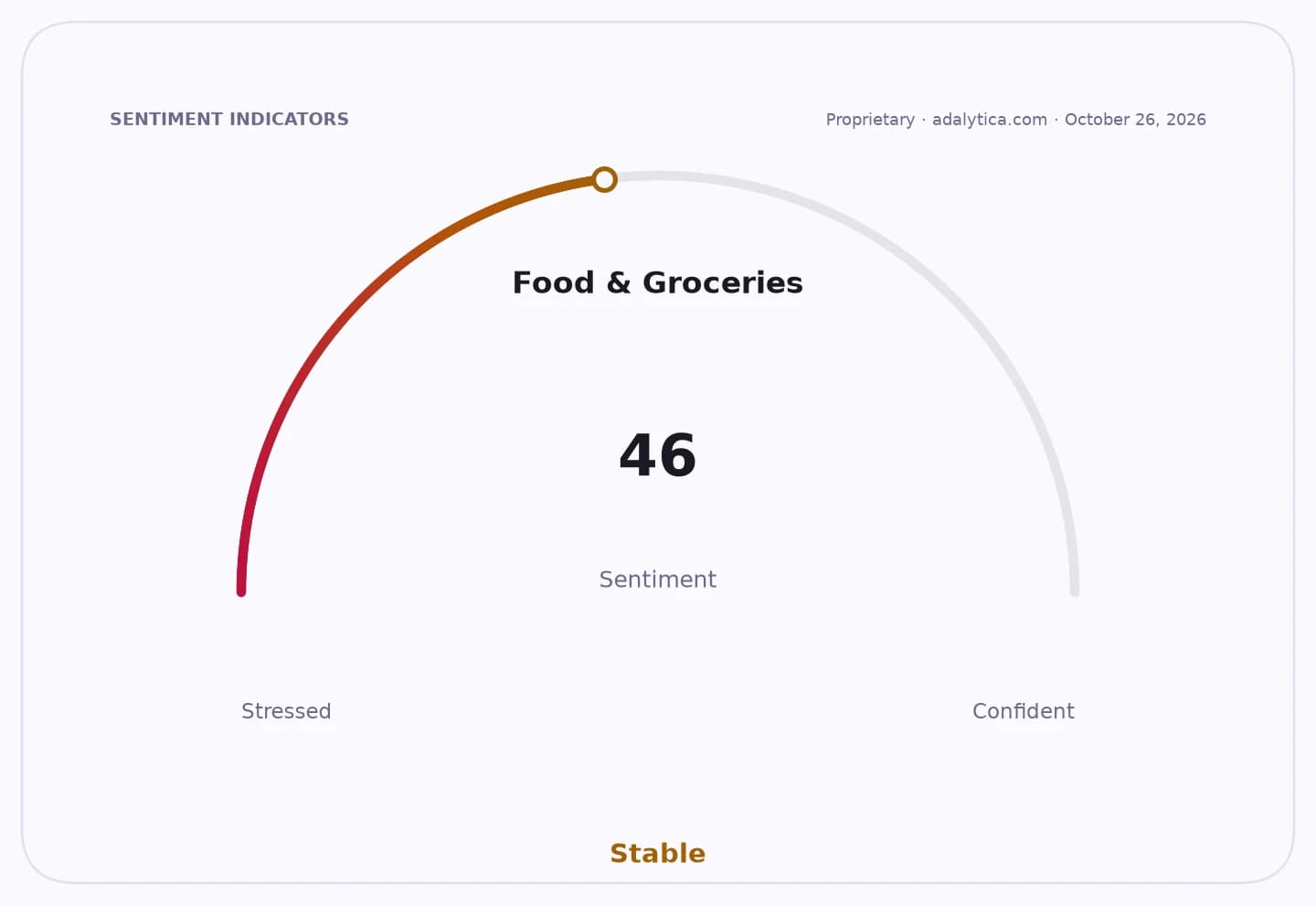
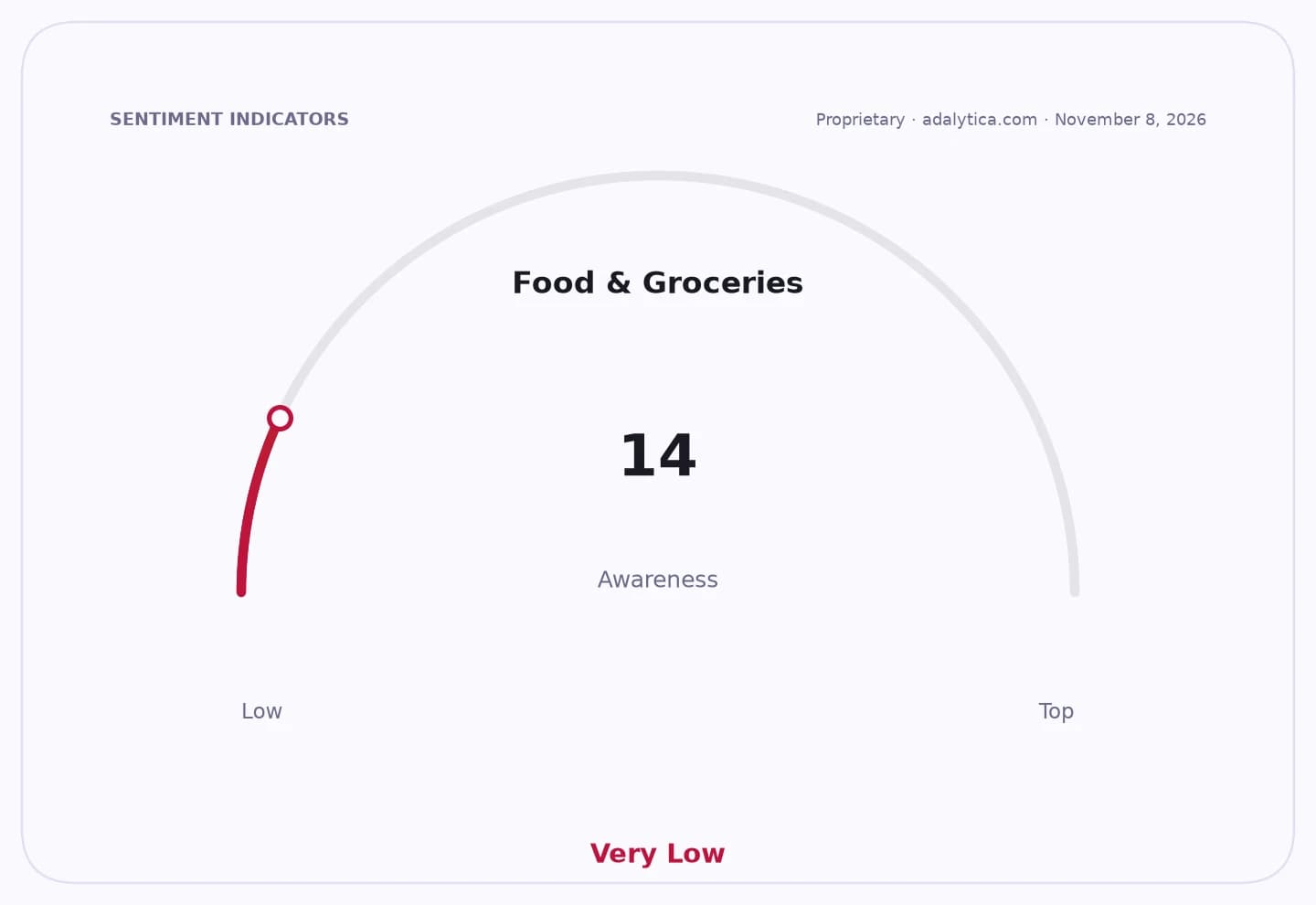
Food & Groceries
Head of the Presidential Staff Office Listyo Sigit Prabowo said rice, medicines, cooking oil and 3 kg LPG cylinders sold at the Kopdes Merah Putih outlet in Cakung Timur, Jakarta, were priced below other retail stores after an unannounced inspection on Monday. The finding matters because the program sits at the intersection of food affordability, subsidy distribution and rural market access, three areas that directly affect inflation and consumer spending power in Southeast Asia’s largest economy.
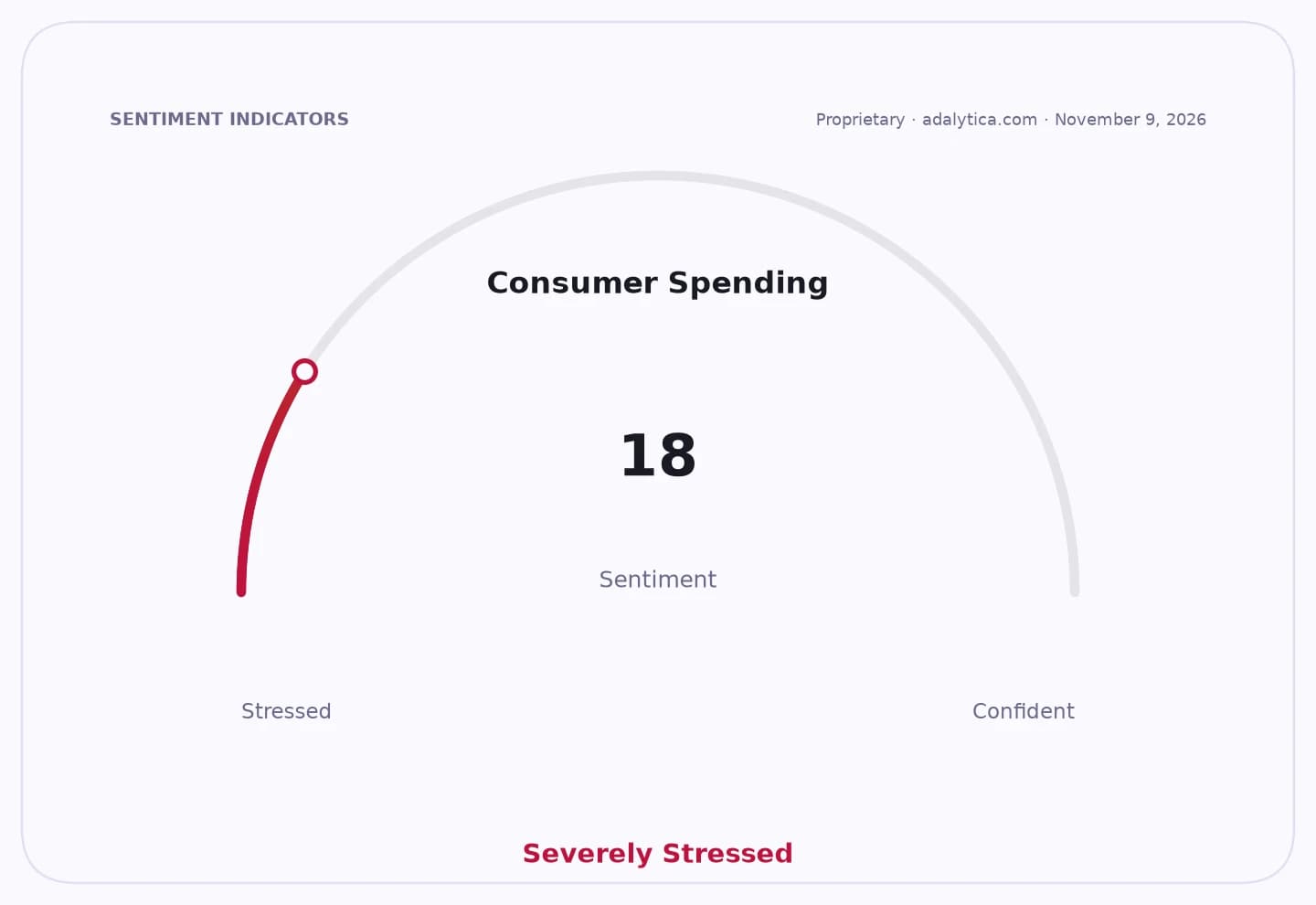
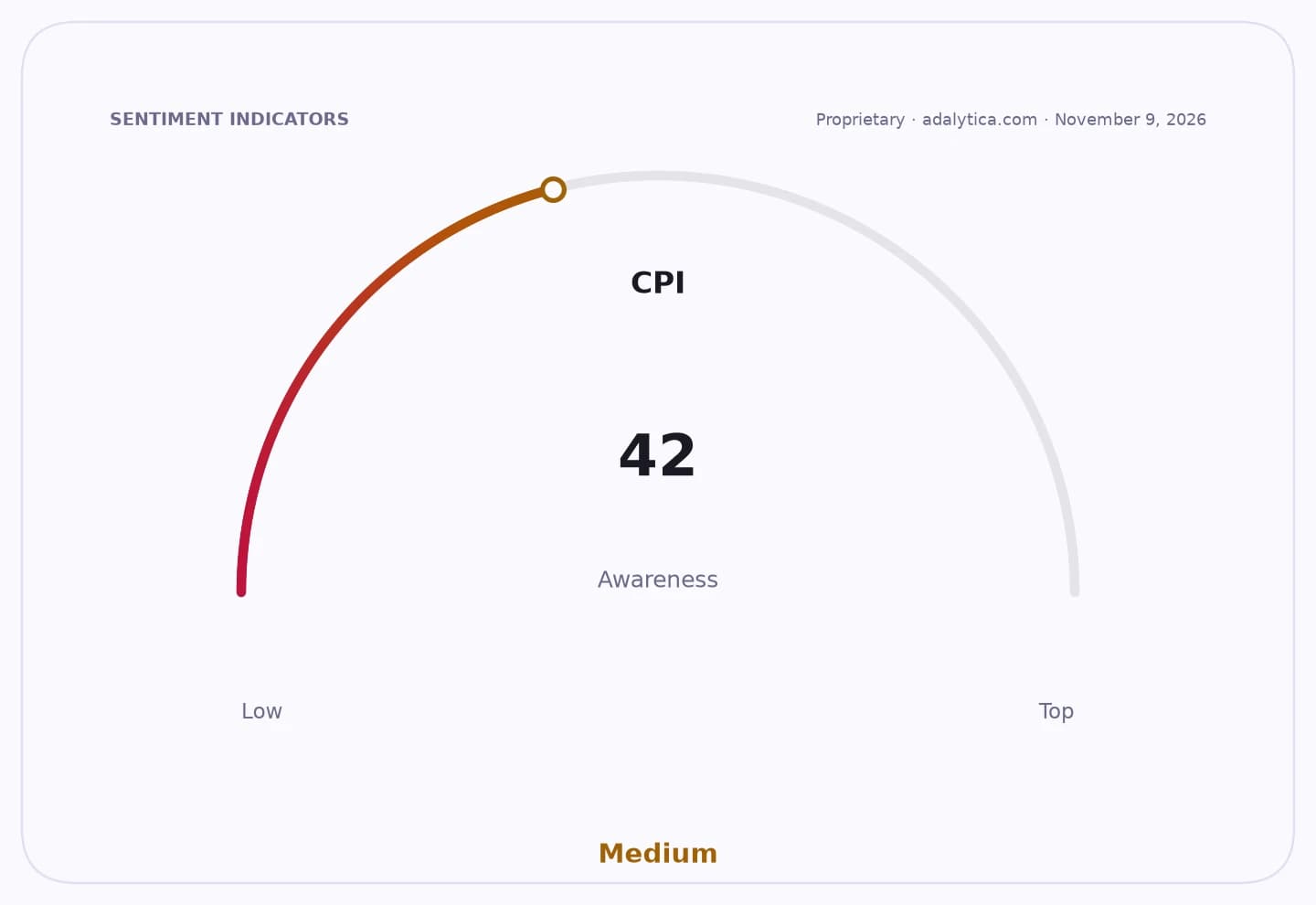
Sentiment Indicators
Listyo said the outlet was supplying medicines through Kimia Farma and was supported by the Defense Ministry’s pharmacy network, after earlier regulatory and coordination hurdles were resolved. He added that the government had agreed on a distribution and sales framework with the health ministry, BPOM and other agencies, suggesting the program is moving from policy design toward execution.
For households, the significance is immediate: cheaper rice, medicine and LPG can lower day-to-day spending on necessities, especially for lower-income consumers who are most exposed to volatile food and energy prices. For policymakers, the more important question is whether the koperasi model can reduce leakage, improve access and keep subsidy channels closer to end users without pushing up administrative costs or creating new bottlenecks.
The broader economic backdrop makes that test more relevant. Food and fuel prices remain key drivers of consumer inflation in Indonesia, and any widening of low-cost distribution channels could help cap pressure on household budgets. If the network scales efficiently, it could support consumption by preserving real purchasing power. If it struggles with supply consistency or regulation, it risks becoming another well-intentioned but fragmented government retail scheme.
Investors will be watching whether the initiative has spillover effects for consumer staples, pharmaceuticals and logistics companies that could gain from expanded distribution, as well as retailers that may face more competition from a state-supported channel. A successful rollout could also reinforce the government’s ability to manage subsidies and stabilize essential-goods prices, which would be supportive for consumer sentiment and macro stability.
The key near-term catalyst is execution: how many outlets can be stocked reliably, whether prices stay below market levels outside Jakarta, and whether the model can be scaled without supply disruptions.
| Entity | Gains | Losses |
|---|---|---|
| Low-income consumers | ▲Cheaper essentials | ▼Less price pressure relief elsewhere |
| Government/Kopdes Merah Putih | ▲Political credibility | ▼Execution risk if rollout falters |
| Kimia Farma and suppliers | ▲Wider distribution | ▼Margin pressure from lower pricing |
| Traditional retailers | ▲— | ▼Competition from subsidized outlets |