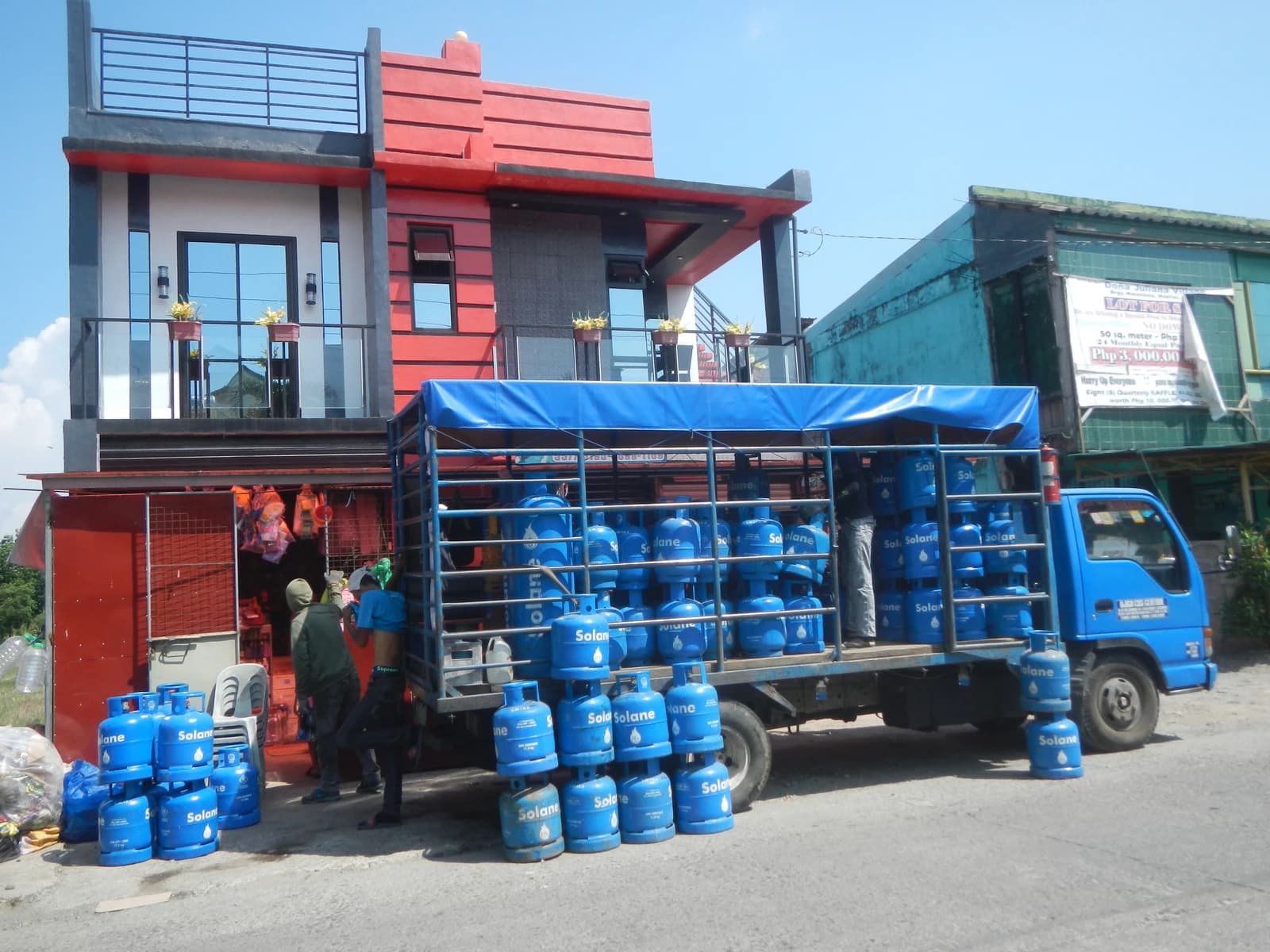
Indonesia is asking agents and base stations to adjust how they distribute 3 kg liquefied petroleum gas, a move that underscores how a persistent supply squeeze is forcing Jakarta to rely more heavily on local cooperatives to keep subsidized cooking fuel flowing.
Indonesia expands 3 kg LPG distribution via cooperatives
The policy shift matters because 3 kg LPG is the country’s main household cooking fuel for low-income consumers, making any disruption immediately visible in inflation, consumer spending and social stability. By broadening distribution through cooperatives, the government is trying to protect access without formally increasing quotas, a sign that the problem is not demand alone but a tight supply chain that has yet to normalize.
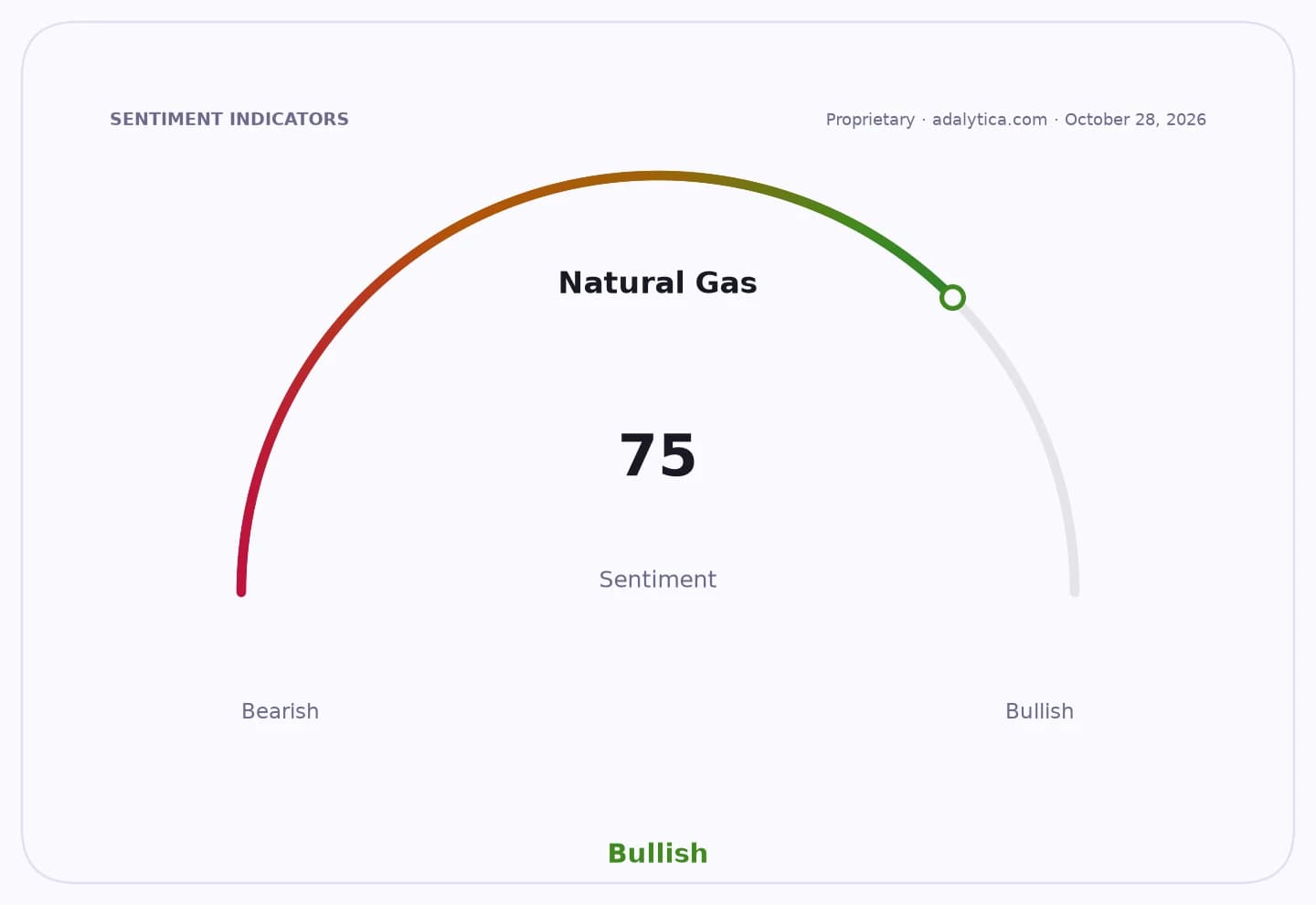
Sentiment Indicators
Cooperatives, or Kopdes, are being folded into the distribution network alongside existing agents and bases in an effort to reduce bottlenecks closer to end users. The approach may improve reach in areas where supply is inconsistent, but it also raises questions about logistics, oversight and whether a wider distribution web can solve a shortage rooted upstream in procurement and import availability.
For investors, the issue is less about the policy mechanics than the macro spillovers. A constrained LPG market can add pressure to household inflation, reinforce demand for fuel imports and keep attention on state energy companies tasked with stabilizing supply. It also highlights the political sensitivity around subsidized energy in Southeast Asia’s largest economy, where any prolonged shortage can quickly become a consumer issue and a fiscal one.
The broader backdrop is a regional gas market that remains tight, with energy import needs and domestic distribution challenges often moving faster than infrastructure expansion. If the cooperative channel improves access, it may buy the government time. If not, the shortage could deepen pressure for a more durable fix, including higher imports, better stock management and a larger role for alternative fuels.
The near-term focus will be whether the new distribution pattern narrows shortages in urban and peri-urban areas, where household demand is highest, and whether it eases upward pressure on cooking-fuel prices without forcing a larger subsidy response.
| Entity | Gains | Losses |
|---|---|---|
| Cooperatives (Kopdes) | ▲Greater distribution role | ▼Higher logistics burden |
| Low-income households | ▲Better access to 3 kg LPG | ▼Continued risk of shortages |
| State energy distributors | ▲More flexible routing | ▼More scrutiny over supply gaps |
| Alternative fuels | ▲Higher policy support | ▼LPG dependency persists |