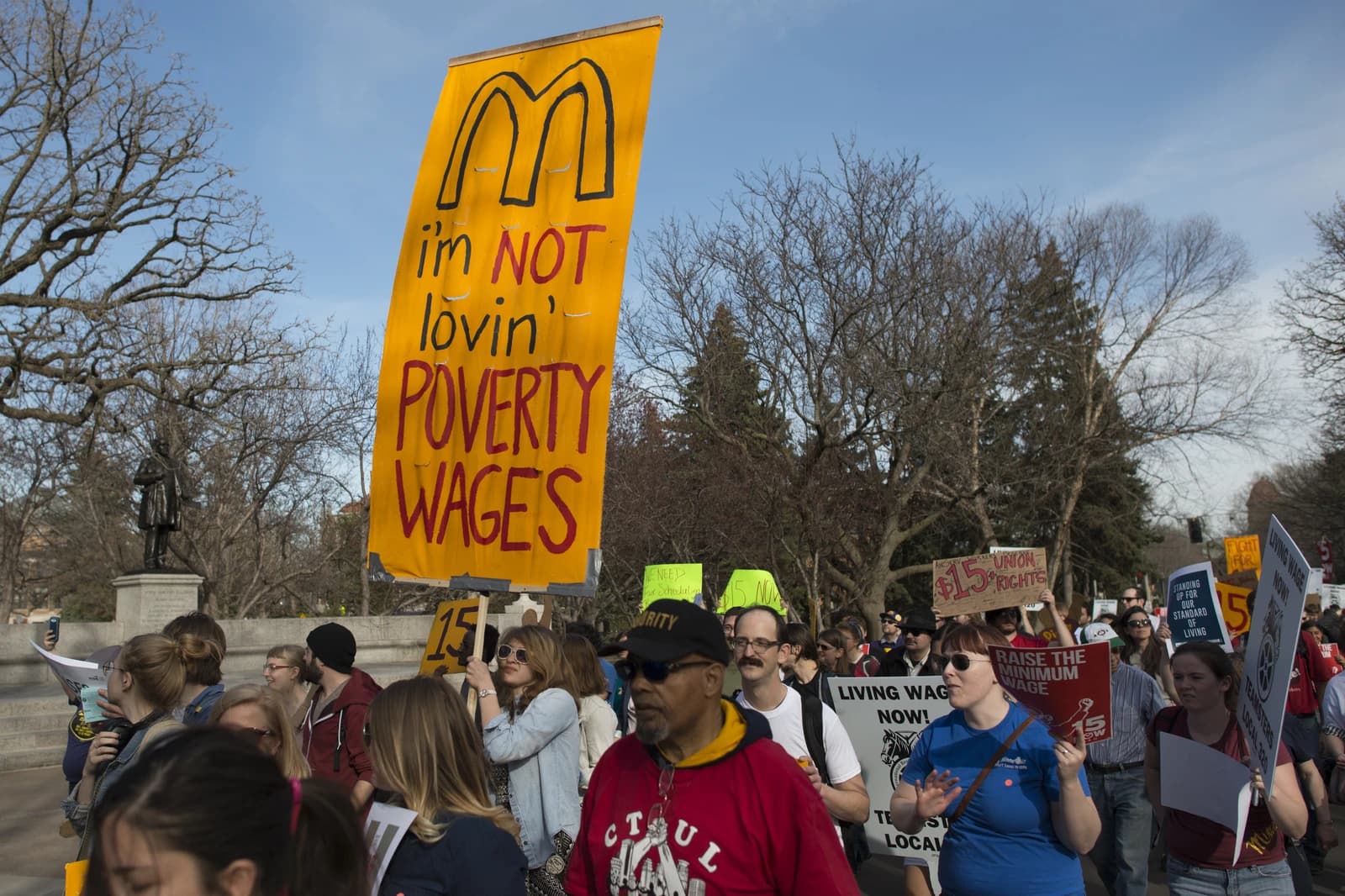
A planned march by roughly 50,000 Indonesian workers on Thursday is becoming a real test of President Prabowo Subianto’s willingness to bend on labor protections, with unions pushing for changes to a draft employment bill after months of talks failed to settle the dispute.
Indonesia workers march over labor protection bill
That matters because labor costs, worker classification rules and social protections are not just political talking points — they shape the cost base for employers, the flexibility of hiring and the outlook for consumer spending in Southeast Asia’s largest economy. If the government responds with concessions, it could improve labor stability. If it doesn’t, the risk is a louder protest movement and a longer period of policy uncertainty for businesses trying to plan wages and staffing.
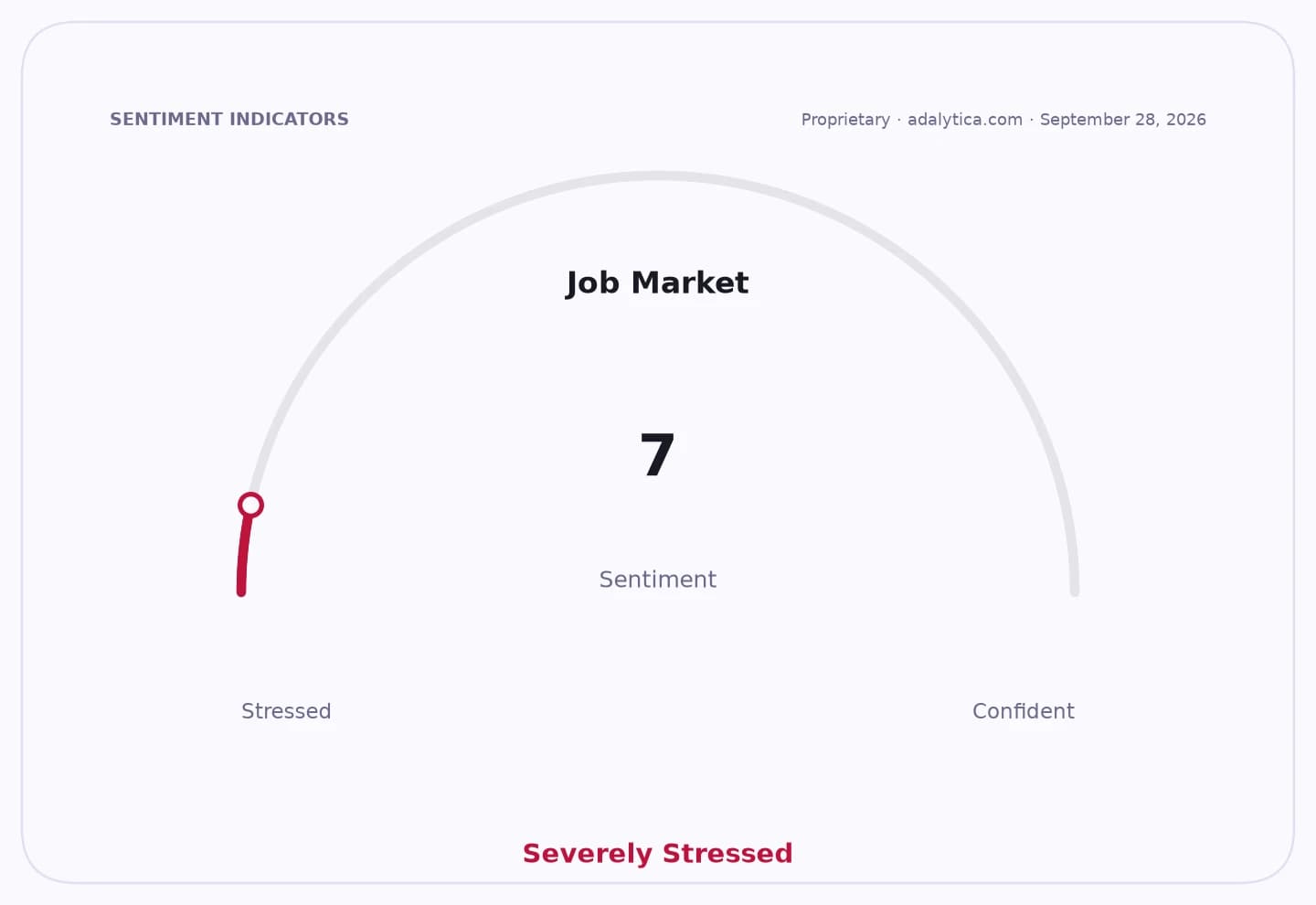
Sentiment IndicatorsⓘProprietary · adalytica.com · September 28, 2026
This is a snapshot — live sentiment, awareness and momentum for 130+ markets update continuously in the dashboard.Open AlphaPulse
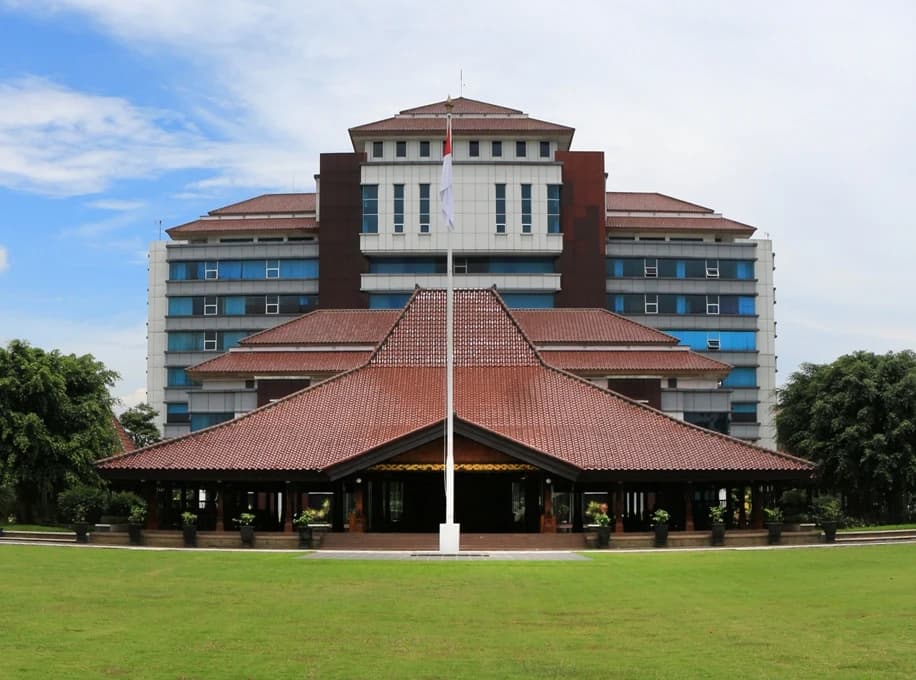
The Indonesian labor coalition said the demonstration would be peaceful and would end before early afternoon, underscoring that unions want pressure, not confrontation. Even so, the scale is significant: workers from Jakarta, Bekasi, Banten and West Java are expected to mobilize toward central Jakarta, while union leaders will deliver a petition directly to the presidential office. The group says this is its final step after about four months of diplomacy.
At the heart of the protest is the RUU Perlindungan Ketenagakerjaan, or employment protection bill, where unions have put forward 11 demands covering wages, outsourcing, social security, fixed-term contracts, platform workers, severance, menstrual leave and apprenticeship rules. Those are not narrow labor issues. They go straight to how Indonesian companies hire, retain and compensate workers, especially in labor-intensive sectors that rely on flexible staffing.
For investors, the immediate question is whether Prabowo treats the protest as a signal to accelerate compromise or as a manageable show of discontent. Union leaders said they had received signs of “positive” changes in some points of the draft, though they gave no details. That leaves room for negotiation, but also room for disappointment if the bill stalls or emerges in a form businesses dislike.
The broader backdrop is one of rising labor sensitivity across economies where household demand still matters and companies are trying to protect margins. Adalytica’s job-market sentiment gauge is flashing “Extreme Fear,” while its consumer-confidence reading remains in “Greed” territory, a reminder that employment politics can cut both ways: workers want more security, but policymakers also need to preserve growth and investment.
For long-term investors, this is less about a one-day march than about the direction of Indonesia’s policy mix. A stable, predictable labor framework can support capital spending and consumption over time. A more adversarial one can raise operating costs and keep employers cautious. The bill, and how Prabowo handles it, is worth watching closely.
| Entity | Gains | Losses |
|---|---|---|
| Indonesian workers | ▲stronger protections | ▼policy delay |
| Prabowo government | ▲chance to show responsiveness | ▼pressure on labor agenda |
| Employers | ▲clearer rules if compromise holds | ▼higher labor costs |
| Investors | ▲lower uncertainty if deal emerges | ▼volatility if talks sour |