Inflation is once again forcing investors to think about purchasing power first and returns second, and the message from markets is clear: cash alone is not a wealth-building plan when prices keep climbing.
Inflation, cash, gold, and stocks for investors

That is the core lesson in this moment of rising inflation. The consumer-price backdrop remains stubborn enough to keep central banks cautious, with U.S. CPI still projected to edge higher and inflation running hot in several economies, including Pakistan at 11.15% in August and Ireland at 3.4% as energy costs picked up again. France, meanwhile, is showing the nastier version of the problem — weak growth alongside 2.7% inflation — a reminder that investors can face either slower economic expansion or tighter policy, and sometimes both.
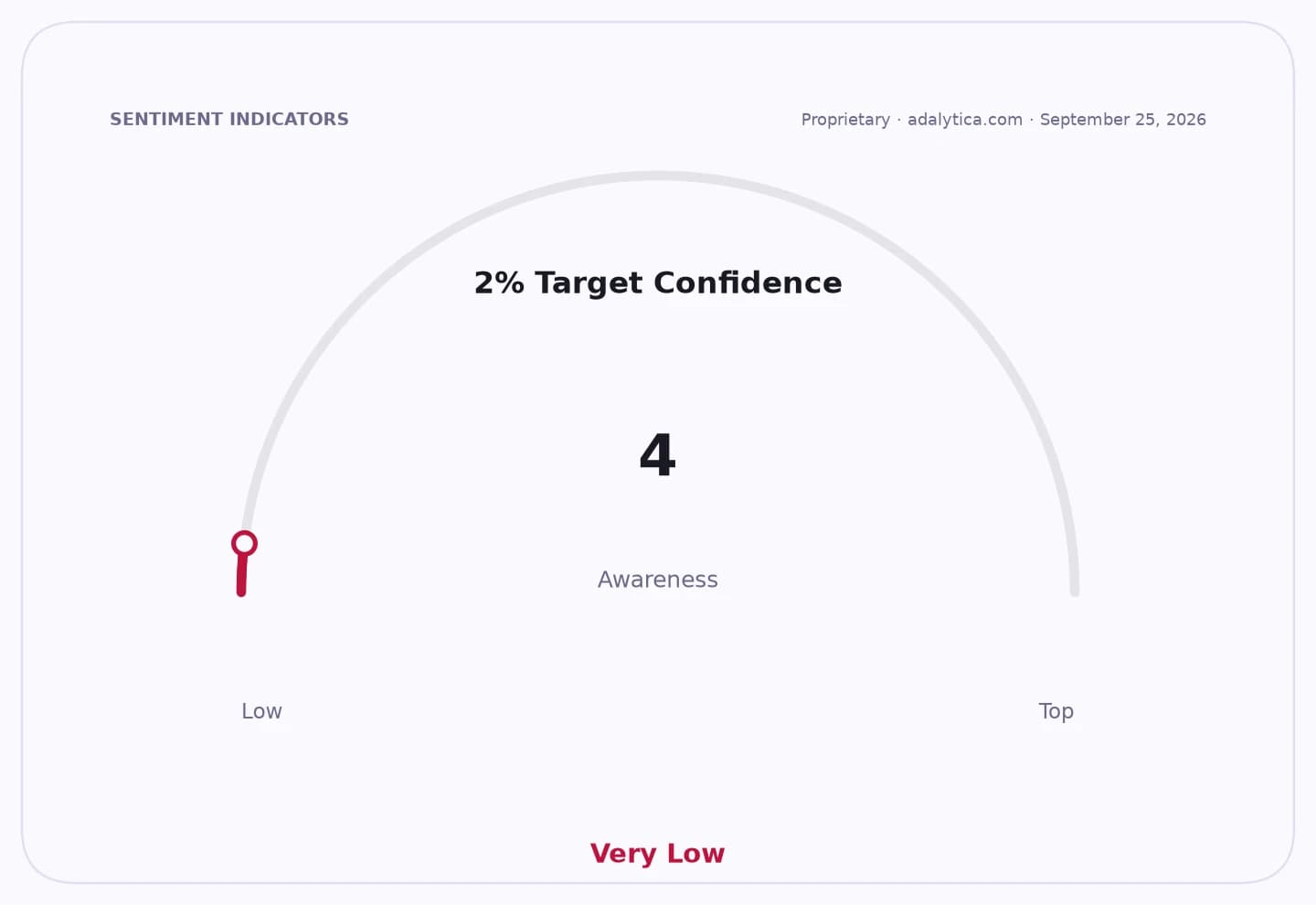
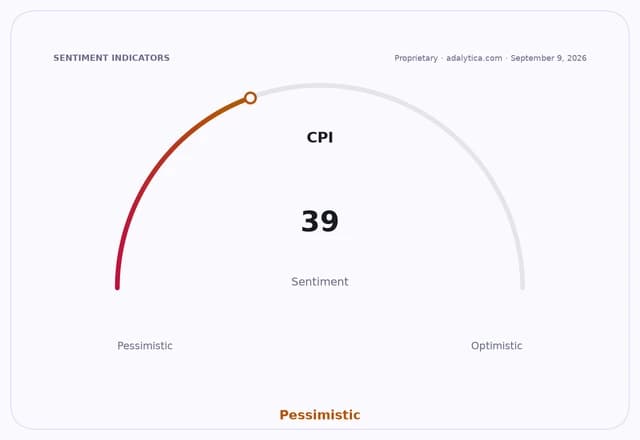
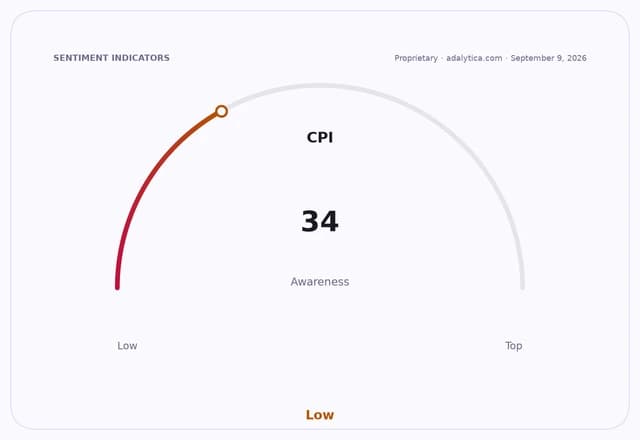
Sentiment IndicatorsⓘProprietary · adalytica.com · September 9, 2026
This is a snapshot — live sentiment, awareness and momentum for 130+ markets update continuously in the dashboard.Open AlphaPulse
For long-term investors, that matters because inflation quietly taxes every nominal return. A savings account paying less than the inflation rate is not preserving wealth; it is losing it in slow motion. That is why the old rules still apply: keep enough cash for emergencies, but put the rest to work in assets that can compound faster than prices rise. Over years, that usually means businesses with pricing power, durable earnings growth, and strong free cash flow, not just assets that look safe in the short run.
Markets are already adjusting. U.S. government bond yields are near 4.8%, and the 10-year yield’s rise tells you investors still demand a meaningful return to compensate for inflation risk. Bond exchange-traded funds have not offered a clean escape either. TLT, the long-duration Treasury ETF, has been pinned below its 50-day moving average and remains under its 200-day line, a sign that duration risk is still a problem when inflation expectations are sticky.
CPIAUCSL vs DGS10 — macro contextadalytica.com
Explore this data interactively — full history, time series and cross-market comparisons.Open AlphaPulse
Gold has been the more interesting hedge. GLD rallied sharply this year as investors reached for inflation protection, but the move has cooled, with the ETF recently slipping back below both its 50-day and 200-day moving averages. That does not kill the case for gold — it remains a classic portfolio diversifier when real yields and policy uncertainty are in flux — but it does show that even inflation hedges can be volatile once the market starts debating whether inflation is accelerating or merely lingering.
Equities, by contrast, continue to offer the best long-term answer for many investors, provided they are selective. The S&P 500 has held up well, and that is the point: companies can raise prices, cut costs, and grow earnings over time in a way that cash cannot. Inflation hurts consumers, but it can reward firms with strong brands, essential products, and the ability to pass through higher input costs. That is why diversified index funds, dividend growers, and businesses exposed to secular trends such as cloud computing, automation, and energy infrastructure can still be powerful inflation-fighting tools.
The biggest mistake investors make in inflationary periods is assuming every asset must react the same way. They do not. Cash loses real value, long bonds are vulnerable, gold can protect but not always compound, and equities can outperform if their pricing power is real. In other words, inflation changes the scoreboard, not the game.
For investors thinking in years, not months, the practical answer is simple: keep a cash cushion, own a diversified mix of assets, favor companies with moats and rising free cash flow, and avoid chasing one perfect hedge. Inflation is uncomfortable, but it also creates some of the best long-term buying opportunities for disciplined investors. Worth watching, and worth using as a reminder to build wealth in real terms, not just nominal ones.
| Entity | Gains | Losses |
|---|---|---|
| Pricing-power companies | ▲Higher revenues | ▼Cost-sensitive rivals |
| Cash savers | ▲Liquidity and flexibility | ▼Purchasing power |
| Gold holders | ▲Inflation hedge | ▼Return chasers |
| Long-duration bond investors | ▲Income stability if inflation cools | ▼Price declines if yields rise |