Infobip’s decade in Indonesia is less about a birthday and more about a bigger investing theme: AI is moving from buzzword to business infrastructure, and customer engagement is one of the first places it will pay off.
Infobip expands AI customer engagement in Indonesia

The global cloud communications company says Indonesia has been part of its story for half of its 20-year history, and that matters because the market is large, mobile-first and still early in the shift from one-way messaging to two-way, AI-driven conversations. For investors, that is where the opportunity lives. Companies that can help brands sell, support and secure customers across chat apps, rich messaging and contact centers are tapping into a durable shift in how commerce works.
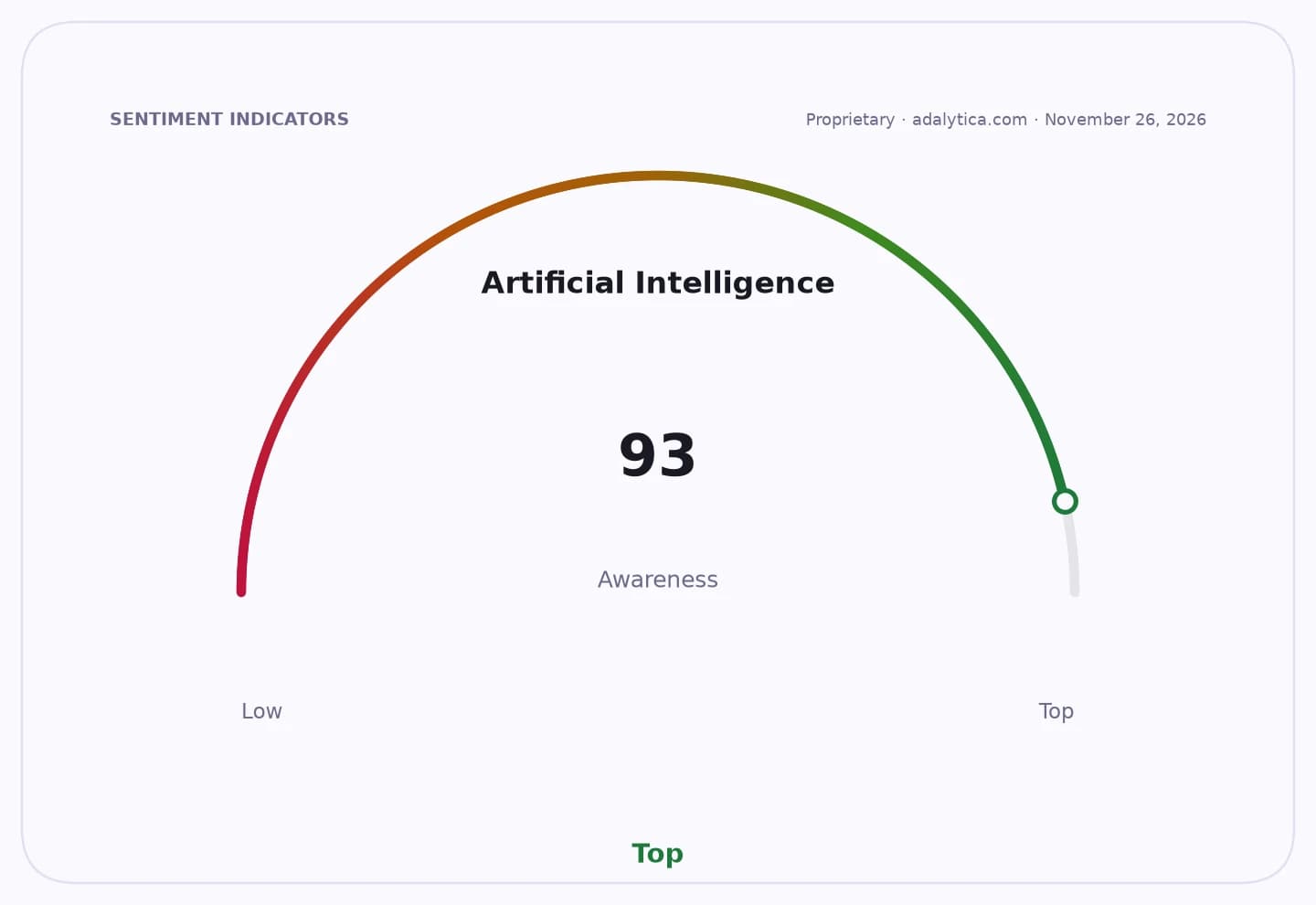
Sentiment Indicators
Artificial Intelligence
Infobip is trying to position itself at the center of that transition. It is working with Telkomsel and Google on Rich Communication Services, a format that lets brands send more interactive messages than standard SMS. It is also leaning on local infrastructure and partnerships, including a Jakarta office and a local data center, to reassure businesses that AI adoption can be both scalable and trustworthy. That trust piece matters. In customer-facing software, reliability and security are often what separate a one-off pilot from a long-term contract.
The company says the economics of this model are already visible in customer results. Blibli saw conversion rates rise 2.5 times in groceries and beauty during its Histeria 11.11 campaign. Segari cut customer service response times by 90%. Sinar Mas Land’s SILVIA virtual assistant now handles 42% of incoming WhatsApp conversations. Those are the kinds of metrics that make AI easier for chief executives to justify, because they link directly to revenue growth, lower support costs and better customer retention.
That is the real narrative here: AI is no longer just about model releases or headline-grabbing chatbots. It is becoming a practical layer in everyday business operations, especially in markets where messaging apps are the default customer interface. Indonesia is a strong proving ground because retail, fintech and digital-native brands already live inside these channels. If AI can improve conversion, response times and service quality there, the business case becomes hard to ignore.
For investors, the lesson is to watch the picks-and-shovels players as much as the AI headlines. Companies that provide the plumbing for conversational commerce, identity, authentication and customer security can benefit even if the broader AI hype cycle cools. In that sense, Infobip’s expansion story is the kind of steady, long-term compounding opportunity investors should like: not flashy, but potentially sticky and profitable if customers keep renewing and expanding usage.
There are risks, of course. AI adoption can stall if companies worry about control, privacy or poor customer experiences. Competition is also fierce, with cloud communications and enterprise software giants all chasing the same spending pool. But the direction of travel looks clear. Businesses want faster, smarter engagement, and they increasingly want it in the same channels where customers already spend their time.
For long-term investors, that makes AI-powered customer engagement worth watching closely. The winners will be the platforms that make adoption simple, safe and measurable — and that is exactly where Infobip is trying to build its next era.
| Entity | Gains | Losses |
|---|---|---|
| Infobip | ▲Deeper Indonesia footprint | ▼Complacent rivals |
| Indonesian brands | ▲Faster sales and service | ▼Manual support workflows |
| Telkomsel and Google | ▲More RCS adoption | ▼Legacy SMS-only channels |
| Customers | ▲Richer, quicker interactions | ▼Friction in outdated service models |