Intesa Sanpaolo and Ferrari have become the companies Italian students most want to work for, a reminder that the brands winning the war for talent today are not always the ones dominating the headlines in tech.
Intesa Sanpaolo and Ferrari top Italy employer rankings
That shift matters because employer prestige is not just a vanity metric. It affects who companies can hire, how much they must pay for talent, and how well they can keep the people who power long-term growth. In a year when some of the biggest technology names are losing appeal among business and STEM students, the results suggest graduates are looking for stability, status and visible career paths — not just the hottest sector.
Sentiment Indicators

The ranking comes from Universum’s 2026 Most Attractive Employers survey, based on responses from more than 7,500 students at over 50 Italian universities. In the business field, Intesa Sanpaolo took first place, ahead of Ferrari and the European Central Bank, while JPMorgan Chase and Apple completed the top five. Microsoft fell out of the top 20 in that category, and Apple slipped from first to fifth, underscoring a broader cooling toward big tech among future business professionals.
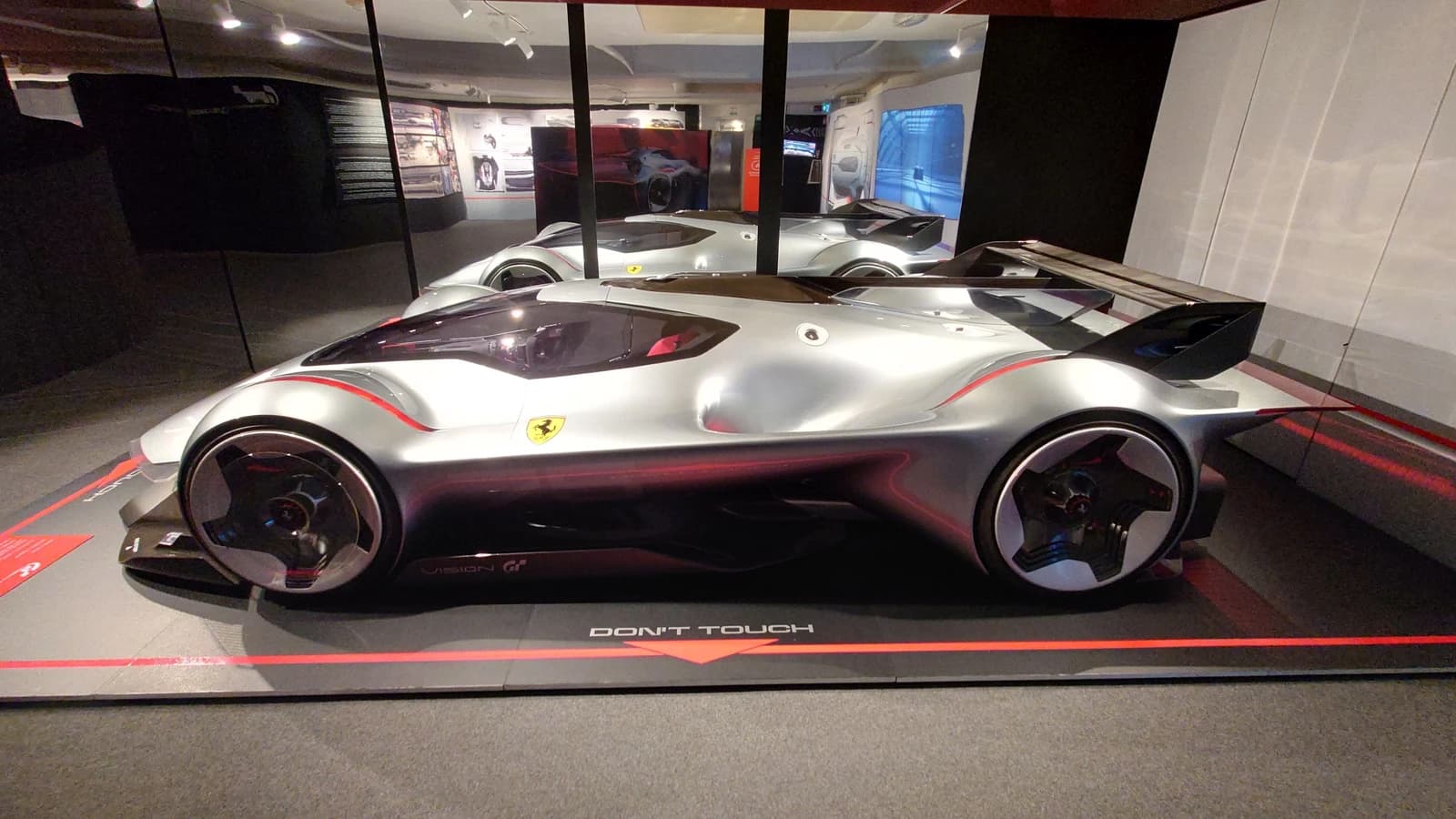
Ferrari also moved to the top of the engineering, IT and natural sciences ranking, pushing Google into second place. Leonardo climbed to third, while the rest of the top 10 was crowded with automakers, including Automobili Lamborghini, Mercedes-Benz, Ducati and BMW. For students weighing careers in engineering, the message is clear: luxury automotive remains one of Italy’s strongest talent magnets, and it is competing successfully with the global technology groups that once seemed untouchable.
For investors, that is more than a campus trend. Banks and premium industrial names depend on deep benches of engineers, data specialists and managers to sustain margins and innovation. A company that becomes an employer of choice can often recruit better, train faster and spend less to fill key roles. Over time, that can support profitability as much as a new product launch or a flashy acquisition.
Intesa Sanpaolo’s strong showing also fits a wider rebound in finance’s appeal. Universum said banking has moved from the middle of the pack to the most attractive sector among business students over the 2021-2026 period, with direct preference rising to 58% from 53% in a year. That is important for lenders such as Intesa because the industry is increasingly dependent on younger talent in digital banking, risk and wealth management.
Ferrari’s appeal is just as strategically significant. The stock has been supported by a premium brand, pricing power and disciplined production, but the ability to attract elite talent is part of what helps a luxury manufacturer preserve its moat. On the market side, Ferrari shares have been volatile, trading above both its 50-day and 200-day moving averages in recent sessions, while momentum indicators such as RSI have shown strength and then cooled — a sign that investors still view it as a quality compounder even after sharp swings.
The broader narrative is simple: as artificial intelligence and cost-cutting reshape expectations around tech jobs, students are leaning toward employers that offer resilience, craftsmanship and brand prestige. That does not mean big tech has lost its long-term edge, but it does mean the next generation of workers is making more selective choices.
For long-term investors, the takeaway is worth watching. Companies that can keep attracting ambitious graduates tend to stay competitive longer, whether they are banks, automakers or global consumer brands. That is exactly the sort of moat-oriented advantage buy-and-hold investors should respect.
| Entity | Gains | Losses |
|---|---|---|
| Intesa Sanpaolo | ▲stronger talent appeal | ▼less hiring friction |
| Ferrari | ▲top engineering employer status | ▼rivals chasing STEM graduates |
| Big tech | ▲— | ▼weaker student preference |
| Students | ▲more career options | ▼fewer easy “dream job” assumptions |