Iran is pressing to deepen ties with India at a moment when regional conflict, sanctions pressure and supply-chain risks are making alternative trade corridors more valuable to both sides.
Iran and India Discuss Chabahar Port Ties

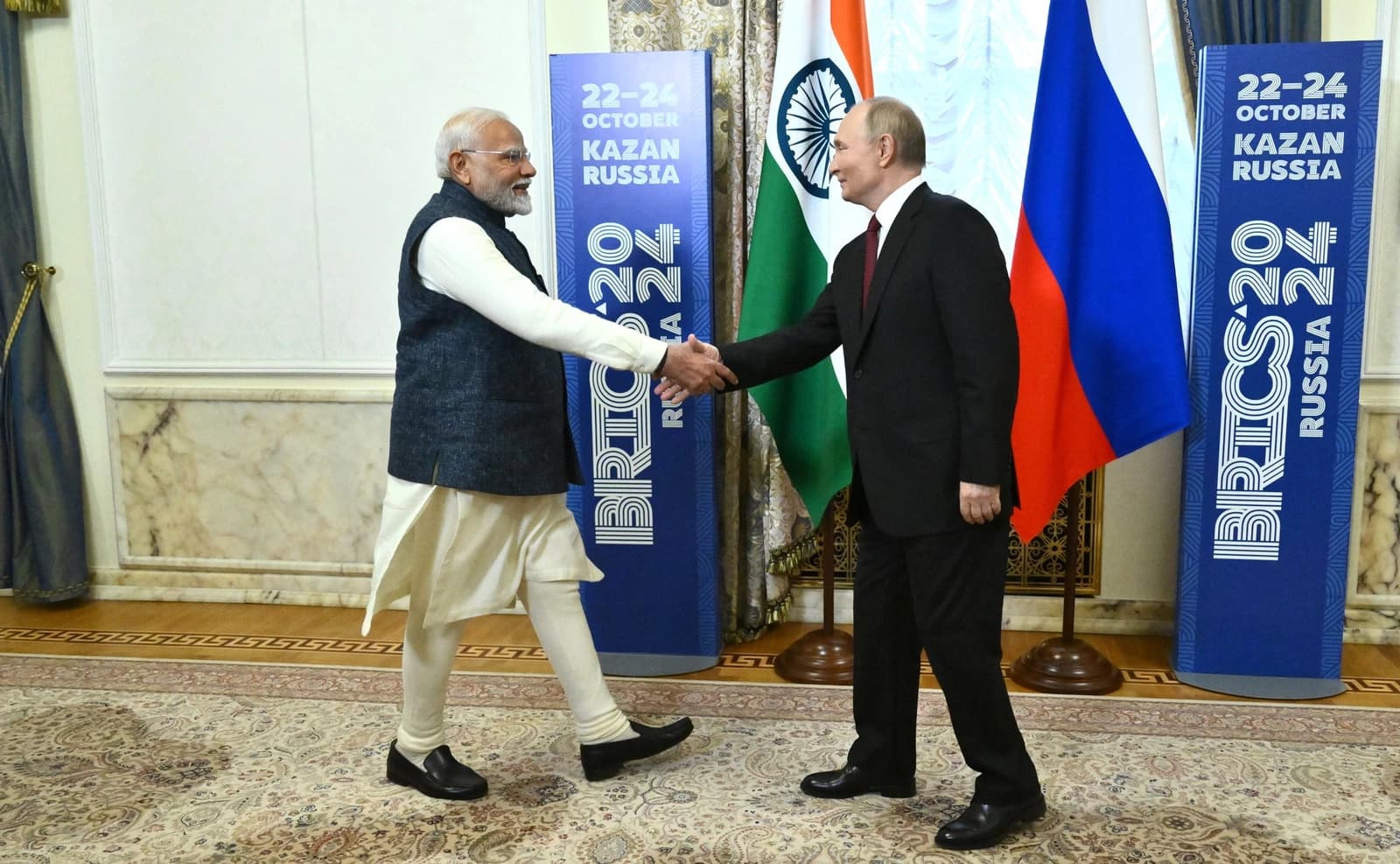
Tehran’s foreign ministry said on Tuesday that it values its “long-standing, historic and civilisational relationship” with New Delhi, after Iranian President Masoud Pezeshkian and Prime Minister Narendra Modi met in Bishkek on the sidelines of a regional gathering. The remarks come just ahead of India’s BRICS summit in New Delhi and underscore Iran’s effort to keep one of its most important Asian relationships active even as it navigates war, sanctions and diplomatic isolation.
The economic significance lies in Chabahar, the Indian-backed port on Iran’s southeastern coast that is central to both countries’ connectivity plans. India sees the project as a way to reach Afghanistan and Central Asia without relying on Pakistan, while Tehran wants the port to become more deeply embedded in the International North-South Transport Corridor, a route designed to move cargo between India, Iran, Russia and Europe faster than traditional sea lanes.
For investors and traders, the message is less about immediate market-moving policy than about the durability of an infrastructure and logistics bet that has long been vulnerable to geopolitics. If cooperation on Chabahar advances, it could strengthen India’s strategic trade access and support activity linked to shipping, construction and port services. If sanctions or broader confrontation intensify, the project risks remaining underused, delaying any economic payoff.
Baghaei said the Bishkek meeting provided an opening for continued consultations “in areas of mutual interest,” and specifically cited Chabahar as a regular topic in bilateral talks. That language suggests Tehran wants to keep the relationship practical rather than symbolic, using the BRICS platform to sustain engagement with a major emerging-market power at a time when Iran needs commercial and diplomatic breathing room.
For India, the relationship remains a balancing act. New Delhi has to protect its energy security and regional trade interests while avoiding a direct collision with Washington over Iran. The emphasis on civilisational ties helps preserve room for diplomacy, but the commercial upside still depends on whether India can move projects forward without triggering fresh sanctions risk or financing bottlenecks.
The broader market implication is that West Asia’s instability is increasing the premium on redundancy in trade routes. Chabahar, like other corridor projects, may matter more now because the alternatives are exposed to chokepoints and political disruption. Any sign of progress around BRICS talks or port cooperation will be watched by shippers, infrastructure investors and policymakers looking for more resilient links between South Asia and the wider Eurasian trade network.
The near-term test is whether the rhetoric around historic ties translates into agreements on port development, transit access and corridor integration. Until then, Iran’s courtship of India is best read as a strategic hedge: a way to keep one door open to trade and investment while the region remains unsettled.
| Entity | Gains | Losses |
|---|---|---|
| Iran | ▲Diplomatic room | ▼Isolation pressure |
| India | ▲Alternate trade access | ▼Sanctions exposure |
| Chabahar/INSTC | ▲Relevance as corridor | ▼Delay from geopolitics |
| Pakistan | ▲Less leverage on transit | ▼Bypass risk |