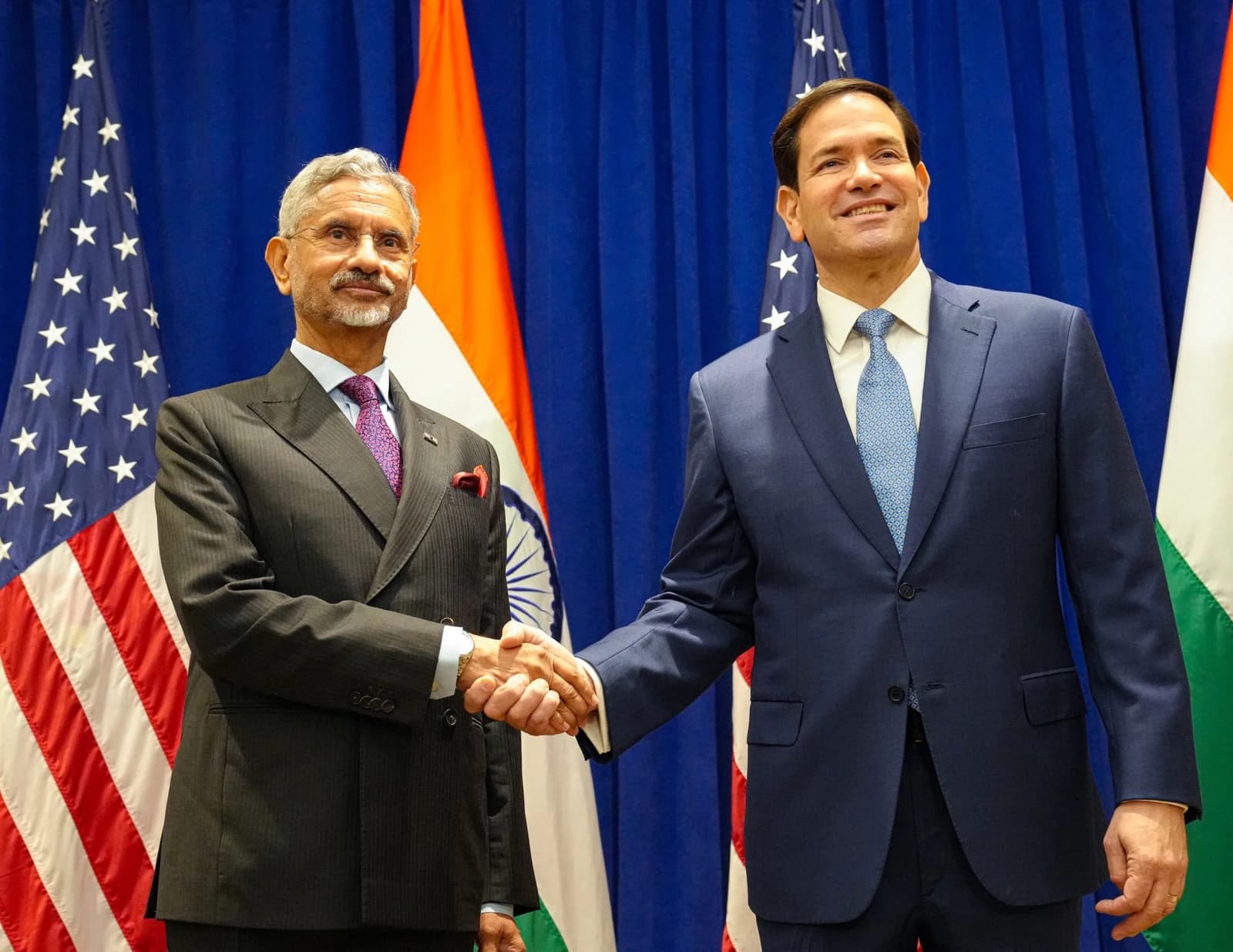
Iran has asked India to use its diplomatic weight to help find a solution to its confrontation with the United States, putting New Delhi in a more visible mediation role just as fresh U.S. sanctions on Tehran are expected and Middle East risk remains elevated.
Iran Asks India to Help Ease U.S. Tensions

The appeal, made by Iranian President Masoud Pezeshkian to Prime Minister Narendra Modi at the Shanghai Cooperation Organisation summit, matters because it underscores how isolated Tehran has become and how far it is leaning on major non-Western powers to slow an escalation cycle that is already distorting trade, energy and regional security. For India, the request fits a long-standing balancing act: preserve ties with Iran, maintain strategic relations with Washington and avoid being dragged into a crisis that could lift oil prices and complicate supply chains.
Pezeshkian’s message that “war benefits no one” reflects Tehran’s desire to keep channels open after recent attacks and a renewed sanctions push from Washington. A new round of U.S. measures would likely tighten pressure on Iran’s oil exports, financial links and shipping network, with spillovers that can quickly reach the broader Gulf. That matters economically well beyond the bilateral dispute: higher friction around Iranian supply can feed into crude volatility, insurance costs and shipping risk premiums, all of which are watched closely by import-dependent Asian economies.
For India, the stakes are mixed. A successful diplomatic role would strengthen its image as a regional stabiliser and give Modi another example of India’s growing weight in multipolar diplomacy. But it would also require careful calibration. India has deepened ties with the U.S. and its partners, while still relying on the wider Middle East for energy and remittance flows. Any move that is seen as overtly pro-Tehran could complicate relations with Washington; any sign of distance from Iran could weaken India’s influence in a region where it has strategic interests in connectivity, energy and trade.
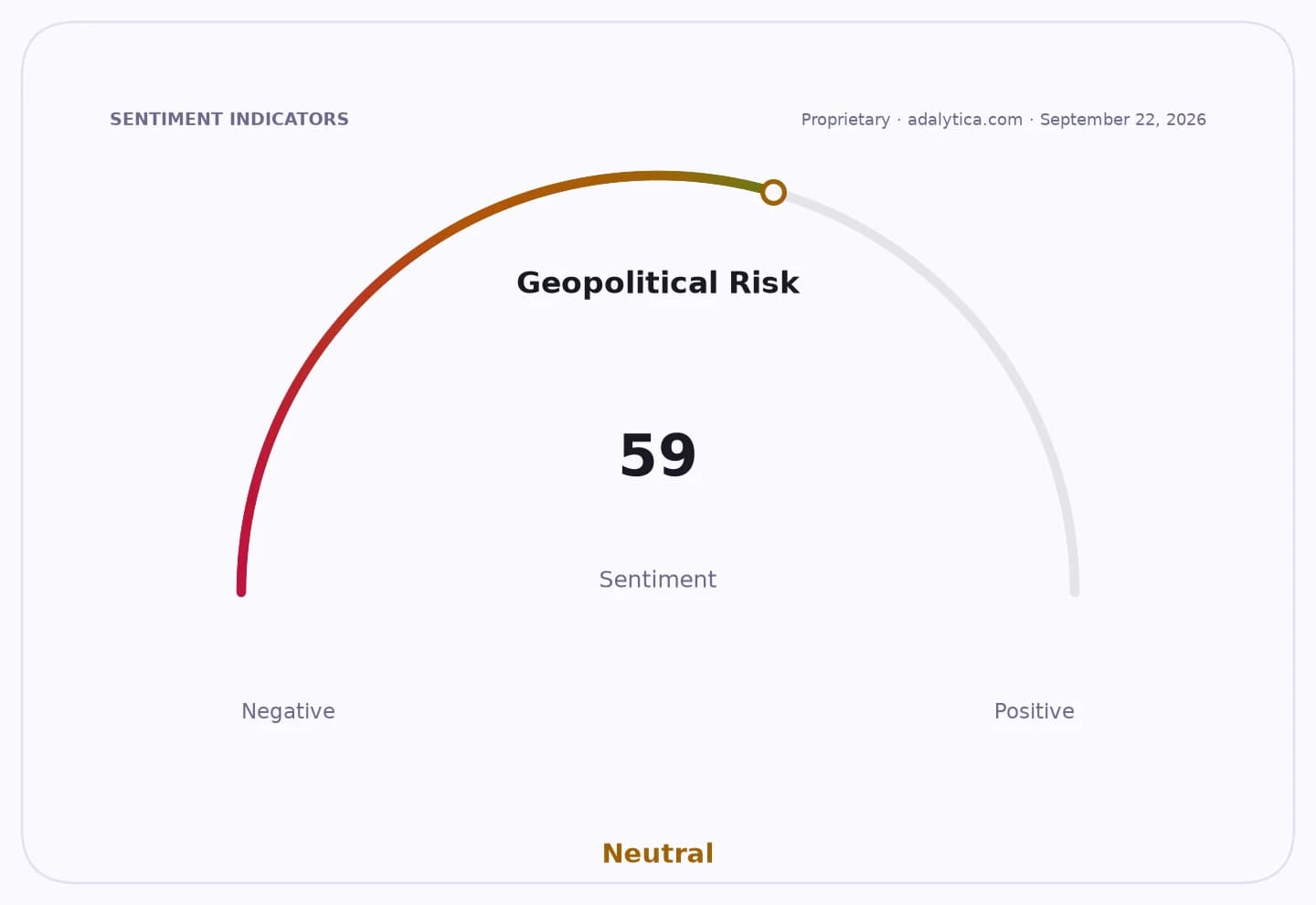
The market angle is less about an immediate price reaction than about risk management. Investors in energy, transport and emerging-market assets tend to treat Iran-related escalations as a tail risk that can move quickly into oil and freight pricing. Conventional technical indicators on the U.S.-listed India ETF, INDA, show the fund still trading below its 200-day moving average, suggesting the broader Indian equity market has not fully shaken off macro uncertainty. Oil ETF USO remains elevated relative to its long-run trend, a reminder that geopolitical premiums in crude have not disappeared. Oilfield services names such as OIS also remain sensitive to swings in the energy cycle and geopolitical shock.
The broader narrative is that India is being asked to act as a bridge at a moment when direct Iran-U.S. diplomacy is fraying and sanctions are about to tighten again. Whether Modi’s government can translate that request into meaningful de-escalation is uncertain. But the fact that Tehran is publicly seeking India’s help is itself a sign that the next phase of the standoff may run through third-party diplomacy as much as through formal U.S.-Iran channels.
| Entity | Gains | Losses |
|---|---|---|
| Iran | ▲Diplomatic opening | ▼Sanctions pressure |
| India | ▲Mediation influence | ▼Balance between U.S. and Iran |
| U.S. | ▲Leverage over Tehran | ▼Higher regional friction |
| Oil importers | ▲Potential stability | ▼Crude price spike risk |