Iran’s economy is coming under fresh pressure as inflation remains elevated, the rial sinks to record lows and new U.S. sanctions threaten to tighten the squeeze on households and businesses already running out of room to absorb higher prices.
Iran inflation, rial slump as new US sanctions bite

The immediate economic significance is straightforward: when inflation is running at about 66%, purchasing power erodes quickly, savings lose value and the cost of imported essentials jumps even faster as the currency weakens. That combination is especially damaging in a sanctions economy, where access to foreign exchange, trade finance and hard-currency revenues is already constrained. For ordinary Iranians, it means wages buy less each month; for policymakers in Tehran, it means fewer tools to stabilize the system without deepening fiscal and monetary distortions.
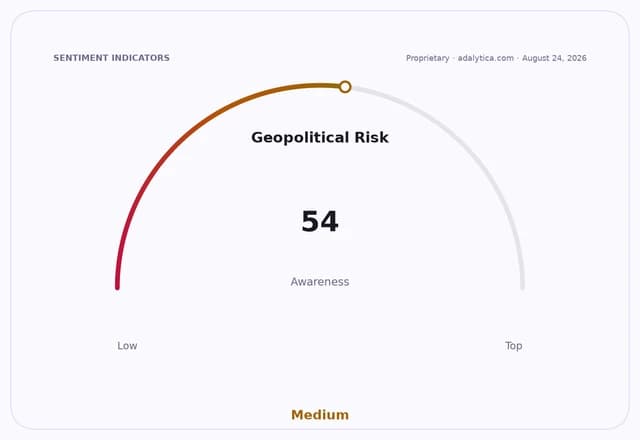
Sentiment IndicatorsⓘProprietary · adalytica.com · August 24, 2026
This is a snapshot — live sentiment, awareness and momentum for 130+ markets update continuously in the dashboard.Open AlphaPulse

The remarks from Tehran that “the people cannot hold on much longer” capture the social edge of the crisis. Iran’s inflation problem is not just a statistical pressure point; it is becoming a political one. When liquidity is scarce and the rial keeps falling, businesses struggle to restock inventory, consumers cut back on discretionary spending and the informal dollar economy becomes more dominant. That tends to widen the gap between those with access to foreign currency and those without it, reinforcing inequality and feeding public frustration.
The sanctions backdrop matters because it threatens to make an already fragile outlook worse. U.S. measures aimed at isolating Iran’s financial and oil sectors would further limit export earnings and reduce the flow of dollars into the economy. That raises the risk of another leg lower in the rial and could intensify inflationary pressure through higher import costs. In practical terms, sanctions do not need to trigger an immediate collapse to matter; they can steadily degrade confidence, investment and consumption.
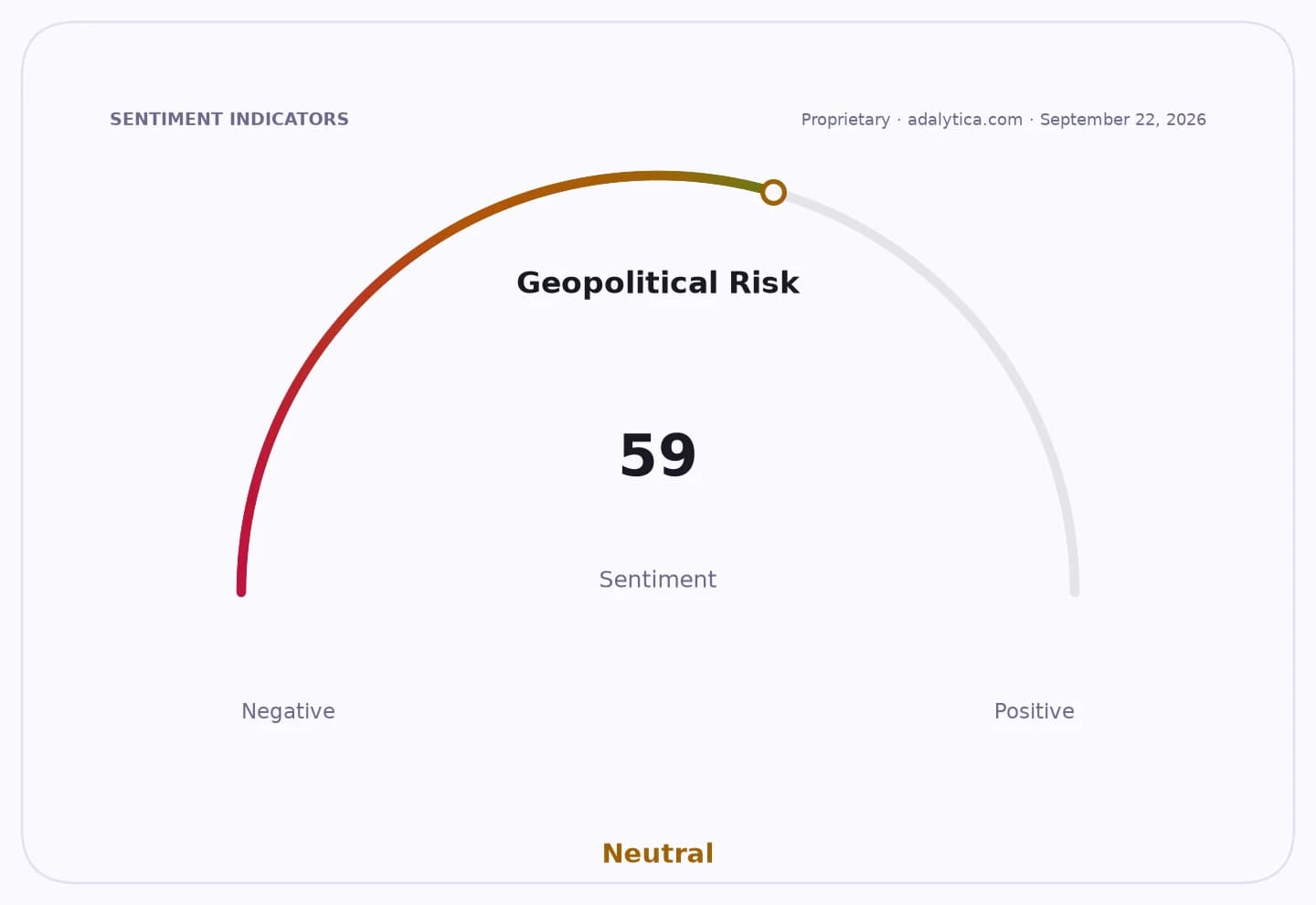
Geopolitical Risk — 30-day sentimentadalytica.com
Explore this data interactively — full history, time series and cross-market comparisons.Open AlphaPulse
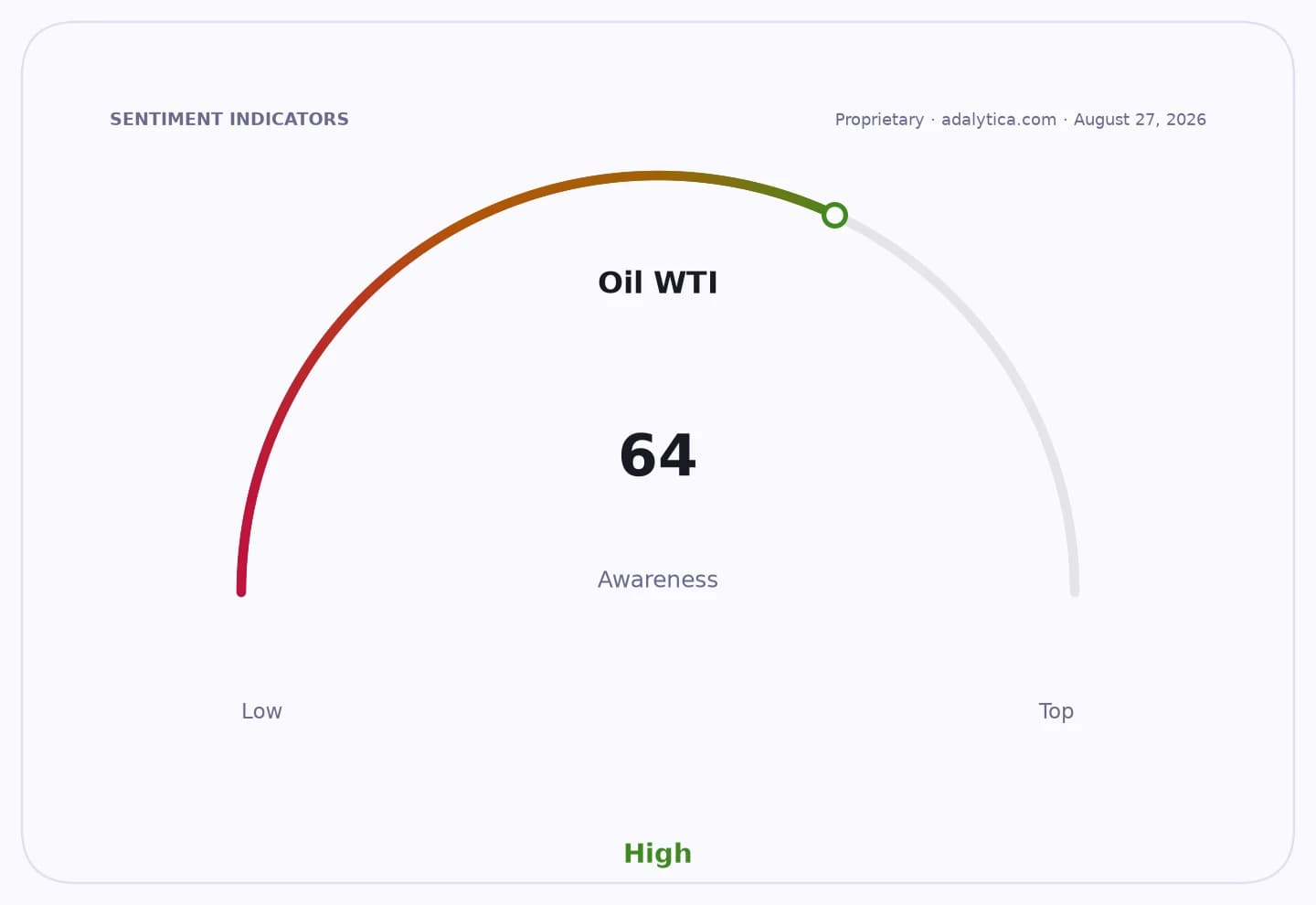
Markets are already pricing that instability into related assets. Brent and U.S. oil prices have been volatile on fears of supply disruption, while the dollar has firmed in risk-off episodes and gold has attracted safe-haven demand. A sharper Iranian squeeze can support crude through geopolitical risk premiums, but it also carries the risk of broader market stress if tensions escalate beyond sanctions into disruption in shipping, regional security or energy infrastructure.
For investors, the key question is not whether Iran’s economy is weak — it clearly is — but whether the latest sanctions cycle changes the balance between containment and escalation. The bullish case for oil-linked assets is that tighter pressure on Tehran raises the odds of supply fear and a firmer risk premium. The bearish case is that a deeper Iranian contraction may not translate into lasting price support if global growth weakens or if markets assume sanctions enforcement will be uneven. Either way, the story is a reminder that Iran’s domestic crisis and global energy markets remain tightly linked.
The near-term catalyst is the scope and enforcement of the new U.S. measures. If they target banks, shipping intermediaries and oil-related transactions more aggressively, Tehran’s fiscal and external buffers could deteriorate further. That would leave Iran with less room to stabilize prices, more pressure on consumers and a greater chance that economic pain spills further into politics.
| Entity | Gains | Losses |
|---|---|---|
| U.S. sanctions policymakers | ▲More leverage on Tehran | ▼Limited long-term compliance |
| Oil exporters outside Iran | ▲Higher risk premium | ▼Demand hit if volatility deepens |
| Iranian households | ▲None | ▼Purchasing power, savings |
| Iranian state finances | ▲None | ▼Hard-currency access |