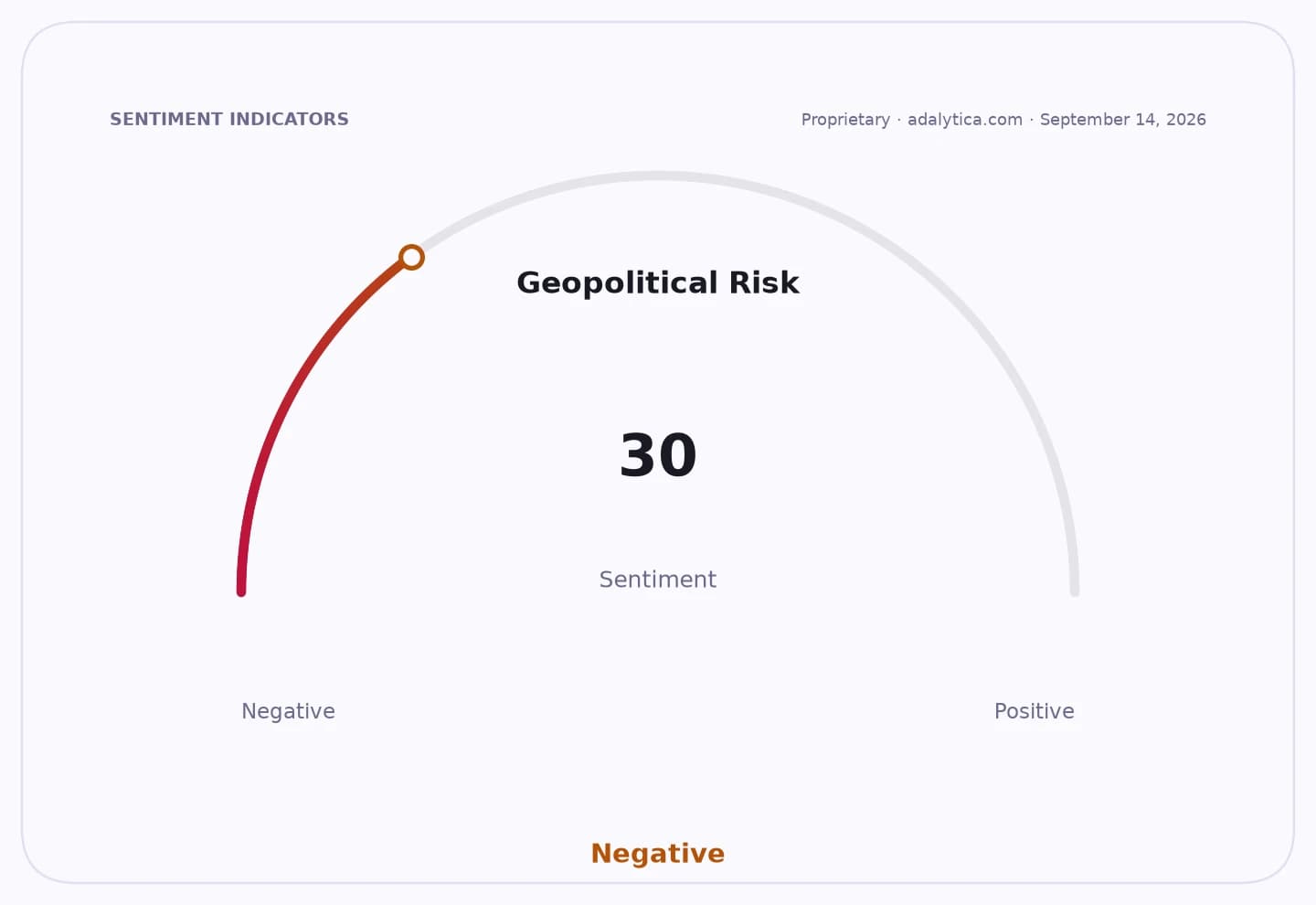
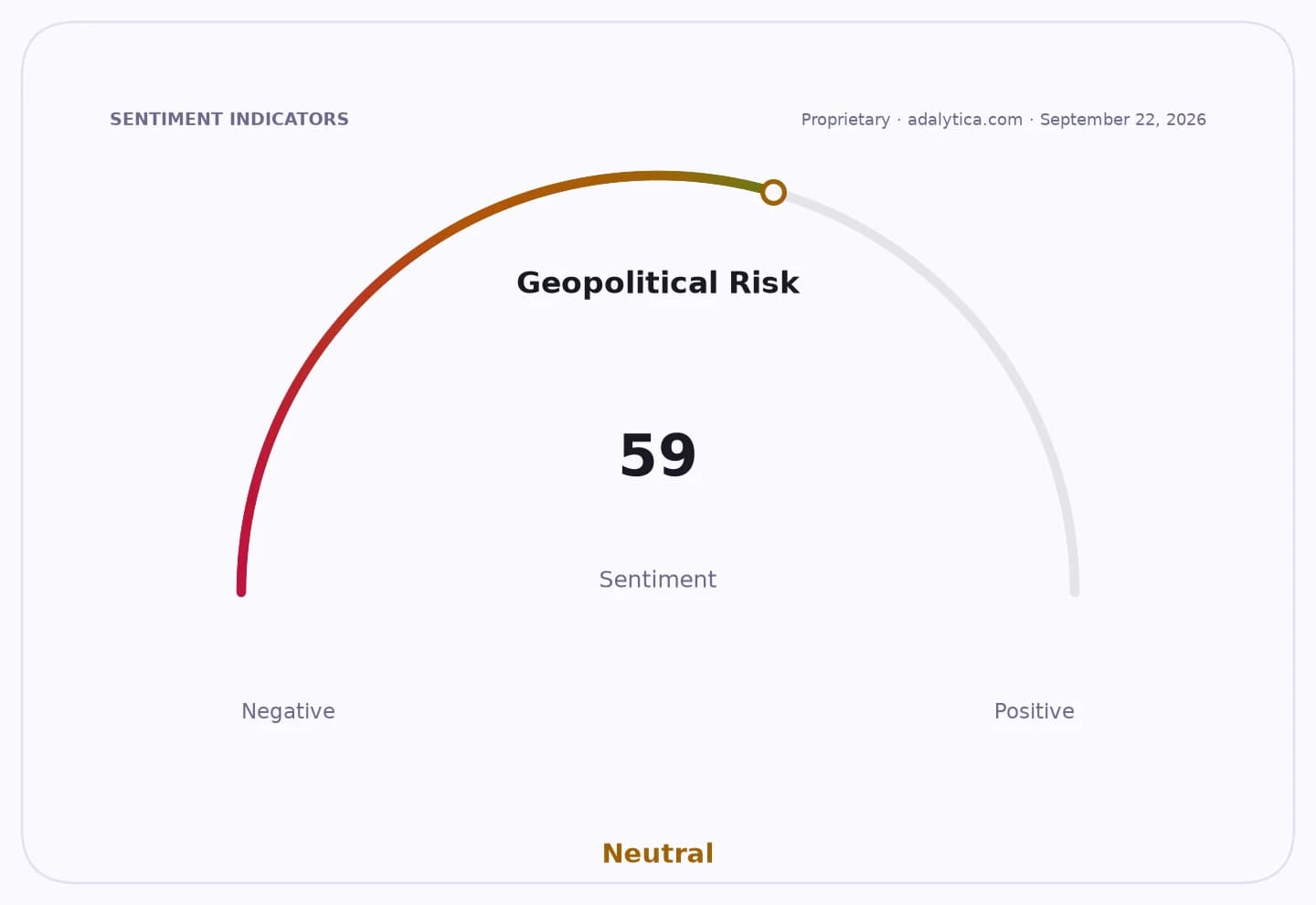
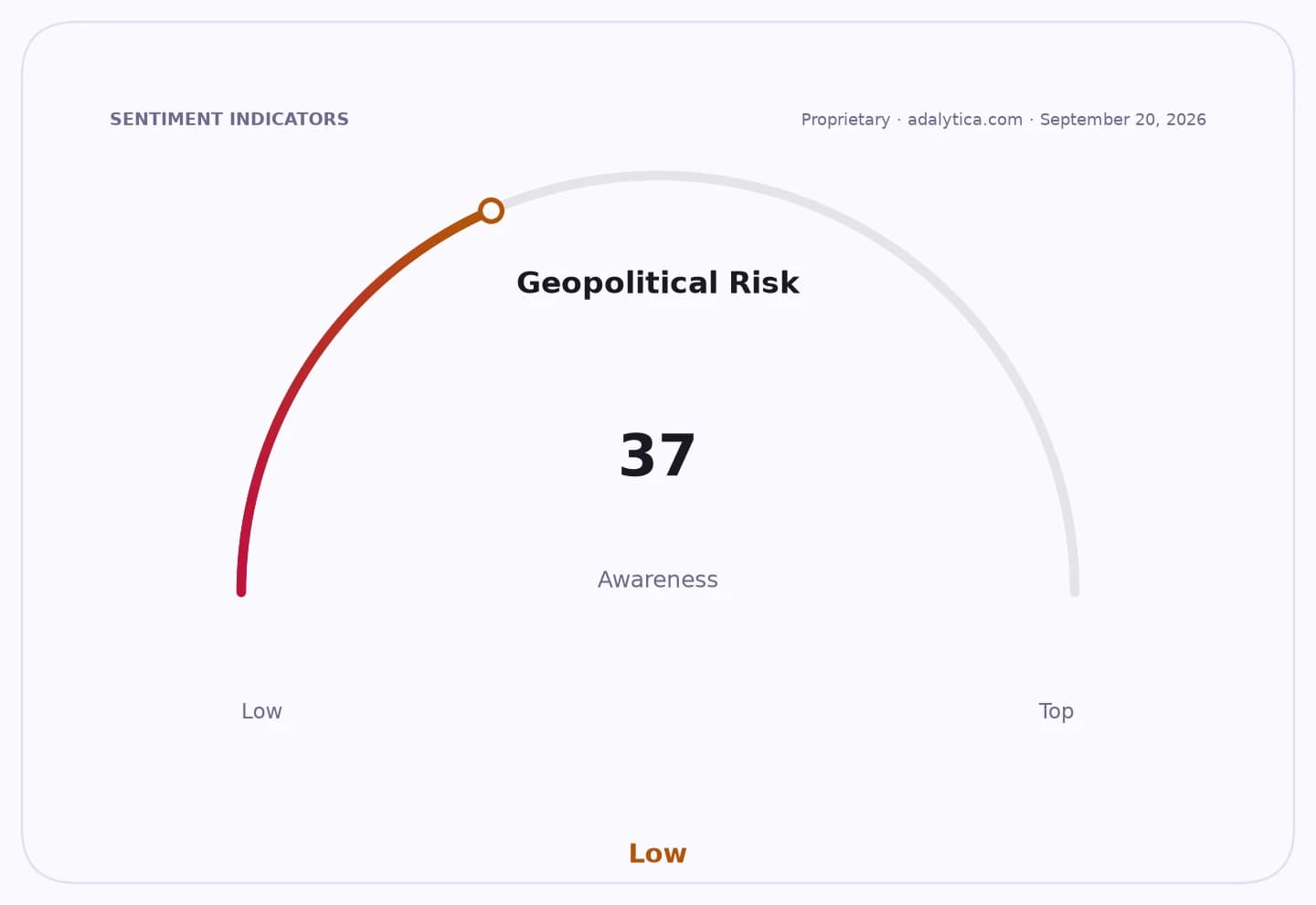
US sanctions on Iran are tightening the pressure on one of the world’s most geopolitically sensitive oil producers, but the market is reacting more to the risk of supply disruption than to any expectation that Tehran will bend.
Iran sanctions lift oil, gold; dollar softens

The immediate economic significance is twofold: the UAE’s suspension of trade with Iran threatens a relationship worth about $27 billion, while the new US measures raise the odds of further friction in the Strait of Hormuz, a chokepoint for global crude flows. Iranian officials, including National Assembly Chairman Mohammed Baqer Qalibaf, have cast the sanctions as proof that the country must harden its economy rather than capitulate — a message that suggests a prolonged standoff, not a near-term policy shift.
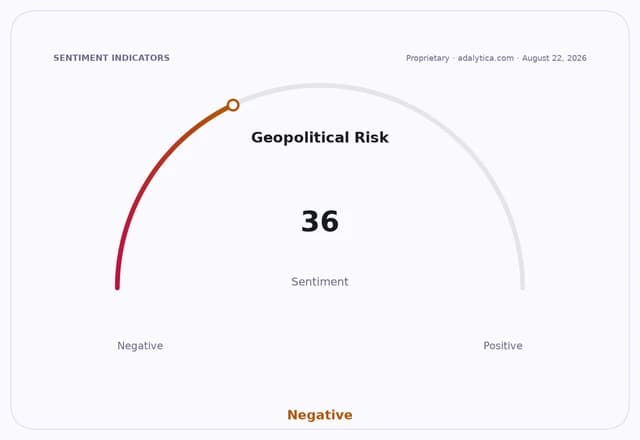
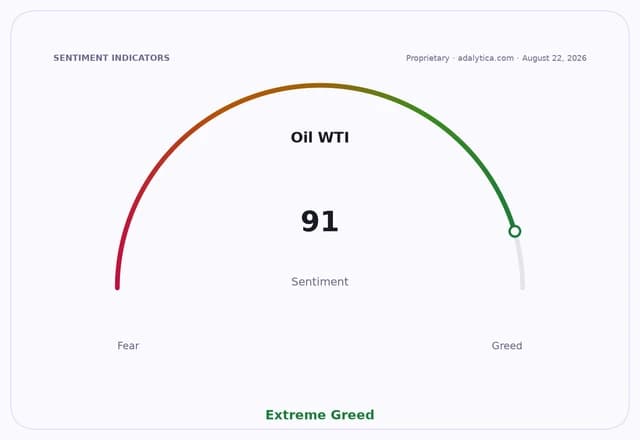
That backdrop has supported energy prices. USO, the oil ETF, closed at 134.64 on Aug. 21, its strongest reading in the data set and far above both its 50-day average of 120.16 and 200-day average of 104.32. The move has been accompanied by elevated momentum readings, with RSI at 68.4 and a positive MACD crossover, while Adalytica’s Oil WTI Trade Signals show “Extreme Greed” at 91. In plain terms, the market is pricing in tighter barrels and a higher geopolitical risk premium.
Gold has risen too, with GLD finishing at 423.36, above its 50-day average and near the upper end of its recent range. That fits a classic sanctions-and-instability trade: investors have been buying both inflation hedges and hard-asset exposure as tensions around Iran, trade routes and naval enforcement intensify. By contrast, the U.S. dollar has softened, with UUP down to 27.90 and Adalytica’s dollar sentiment in “Extreme Fear,” reflecting a broader bid for safety outside the greenback as the market reassesses geopolitical risk.
Geopolitical Risk vs USOadalytica.com
Explore this data interactively — full history, time series and cross-market comparisons.Open AlphaPulse
For investors, the key issue is not whether sanctions are politically punitive — they clearly are — but whether they materially constrain Iran’s export and transit capacity enough to sustain higher crude prices. The bear case for oil bulls is that Tehran has repeatedly adapted through rerouting, shadow shipping and non-Western buyers. The bull case is that each new layer of enforcement, especially if regional partners tighten compliance, raises transaction costs and narrows the room for evasion.
That leaves energy markets balancing two forces: Iran’s stated resolve to absorb sanctions and the growing possibility that pressure on trade routes will keep crude supported even without a formal supply outage. The next catalyst will be whether the UAE’s trade halt and the US sanctions campaign spread beyond headline rhetoric into cargo flows, shipping insurance and actual barrels leaving the region.
| Entity | Gains | Losses |
|---|---|---|
| Oil bulls | ▲Higher risk premium | ▼Relief from sanctions easing |
| Iran hardliners | ▲Defiance narrative | ▼Trade access and revenues |
| Gold holders | ▲Safe-haven demand | ▼Lower geopolitical tension |
| UAE traders | ▲Sanctions compliance | ▼Commerce with Iran |