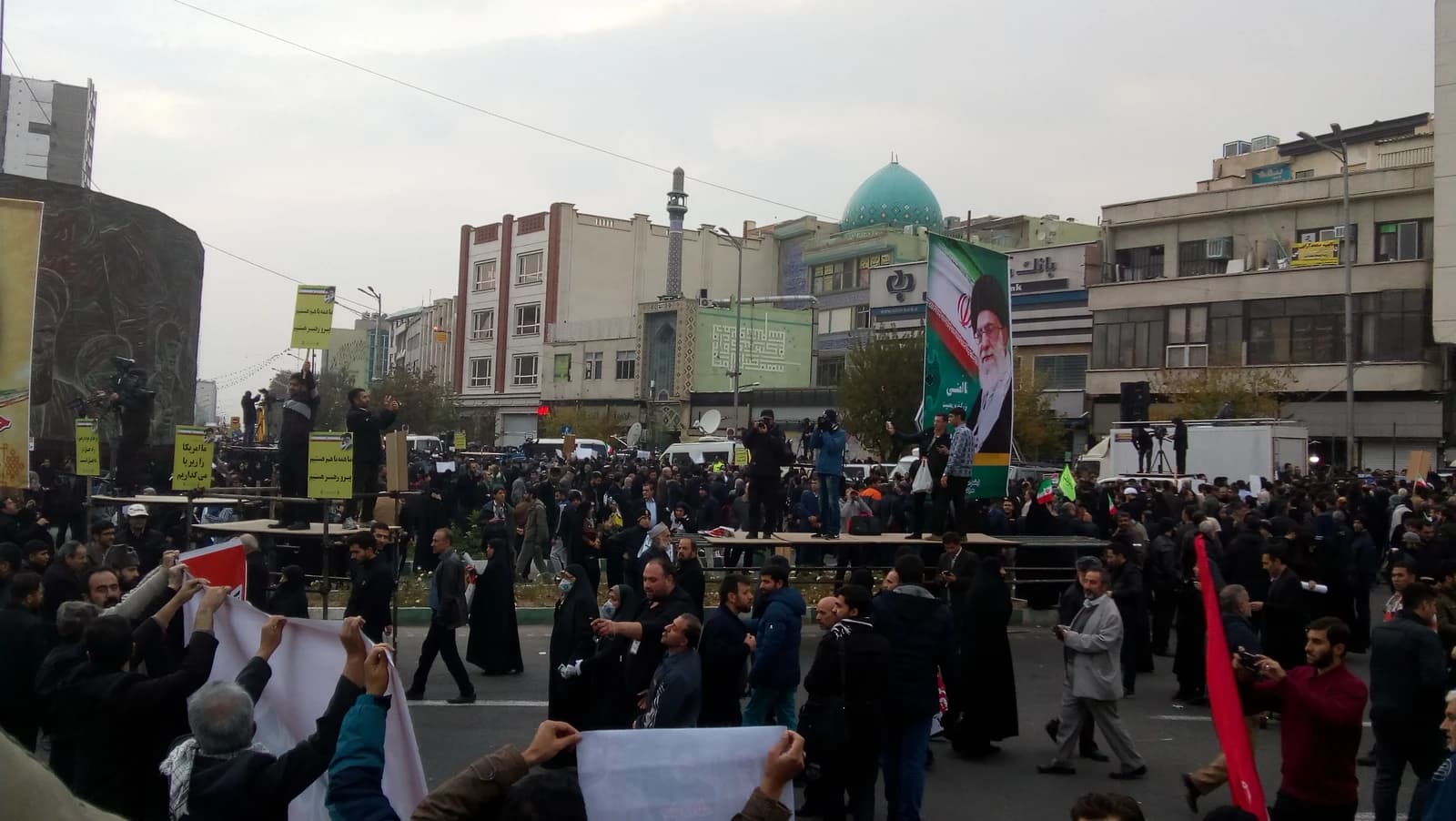
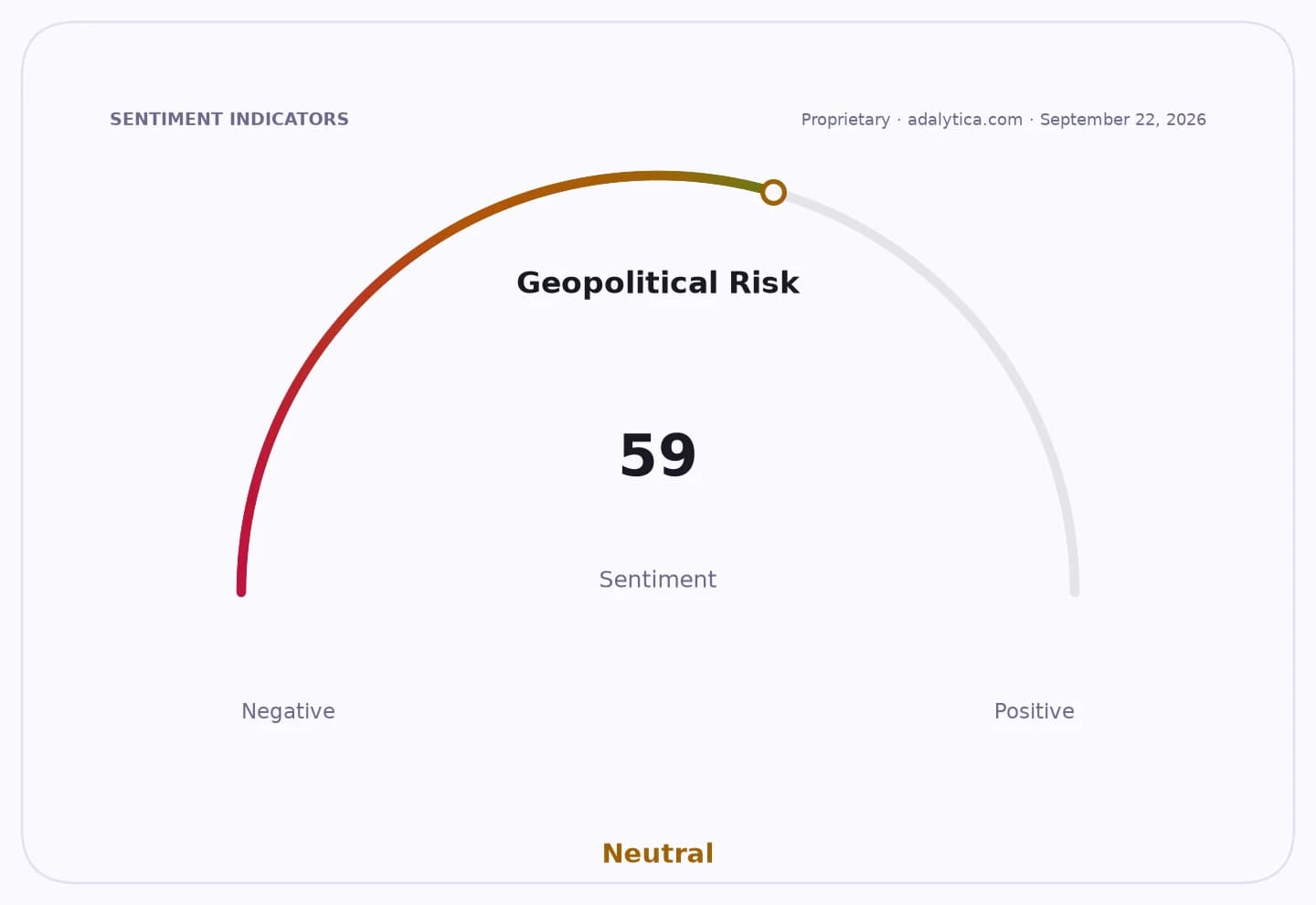
Hasan Rohani’s latest comments have reignited a struggle at the top of Iran’s political system over how far Tehran should go in a period of military and economic pressure, highlighting a fault line with direct consequences for the country’s security posture, oil-export risk and regional stability.
Iran Politics Debates Rohani Comments on Hormuz
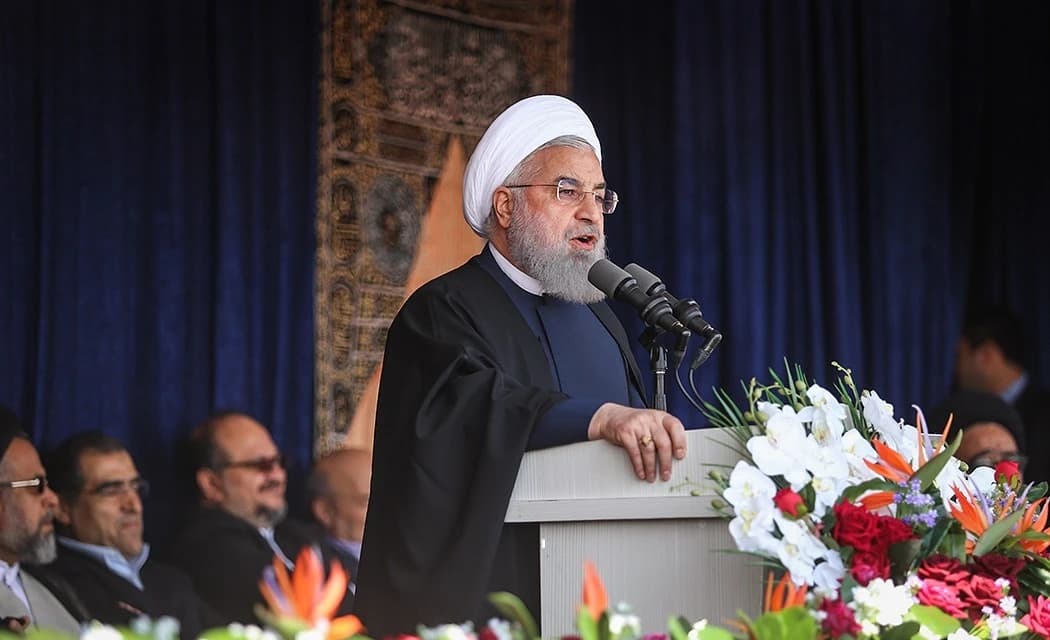
The former president’s call for public consultation to end war, together with his criticism of retaliation and his comments on the Strait of Hormuz, was quickly interpreted by conservative media and figures as an attack on the deterrence doctrine Tehran relies on to project strength in a volatile region. That reaction matters because Iran’s leadership is not simply debating rhetoric: it is weighing whether to lean harder on coercive tools such as the Hormuz chokepoint or to avoid escalation that could deepen economic damage at home.
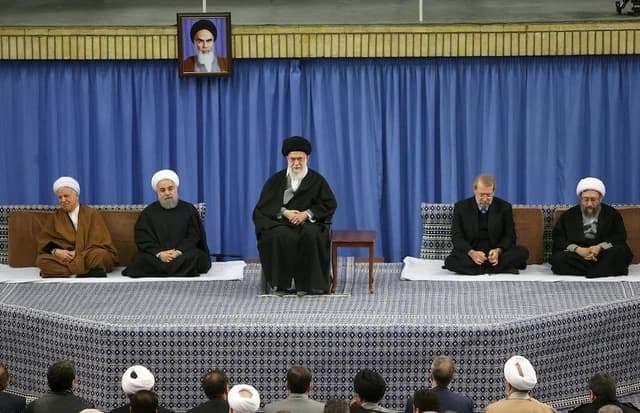
For investors, the significance lies in the risk premium attached to Iranian assets, Gulf shipping routes and global energy prices. Any perception that Tehran’s internal debate is shifting toward restraint could reduce immediate geopolitical shock risk, but it would also underscore how fragile decision-making has become inside a state already under sanctions and pressure. Conversely, hard-line dominance raises the probability of retaliatory moves that could disrupt tanker traffic, lift freight and insurance costs and tighten crude supply sentiment.
Rohani, who served as president from 2013 to 2021 and was a central figure in the 2015 nuclear deal, remains politically relevant even after being pushed to the margins by conservatives and hard-liners. His intervention is important precisely because it is not an isolated remark but part of a broader argument among Iranian elites over how to survive what some in Tehran describe as a comprehensive economic war. Reformists and moderates have long argued that prolonged confrontation imposes mounting human and economic costs, while the hard-line camp says firmness and leverage are essential to protect sovereignty.
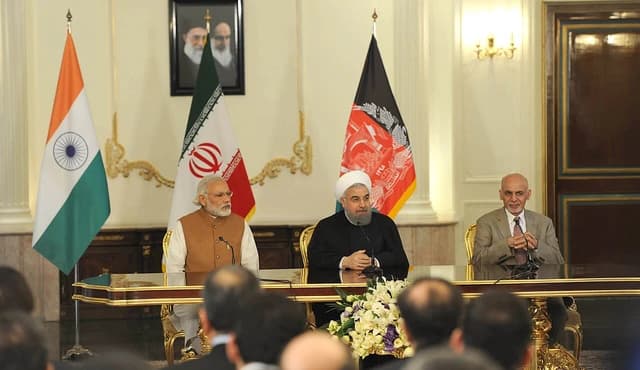
That clash has become more acute as regional tensions rise and the domestic cost of conflict grows. Rohani’s detractors say appeals for a referendum or consultation amount to softening under pressure, and they fear such language could be used to justify compromise in areas Tehran treats as core national-security interests. Supporters, meanwhile, see his position as a warning that escalation without a clear end-state can weaken both the economy and the state’s long-term resilience.
The broader message for markets is that Iranian policy remains shaped not only by external military pressure but by a contested internal debate over whether deterrence should be exercised through threat or through containment. For now, hard-liners appear to have the louder voice. But Rohani’s criticism shows that, beneath the official show of resolve, Tehran’s elite consensus on war, retaliation and the use of strategic chokepoints is far from settled.
| Entity | Gains | Losses |
|---|---|---|
| Hard-liners in Iran | ▲Deterrence narrative | ▼Pressure for restraint |
| Moderates/Reformists | ▲Debate on war costs | ▼Political marginalization |
| Global oil and shipping markets | ▲Clearer risk pricing if rhetoric softens | ▼Higher volatility if escalation deepens |
| Iranian government | ▲Short-term unity messaging | ▼Exposure of elite rifts |