Israel’s push for a U.S. attack on Iran is keeping the Middle East conflict risk premium alive in oil, nudging crude and energy equities as traders brace for a possible military escalation that could disrupt shipping, exports and inflation.
Iran strike risk keeps crude and energy stocks volatile
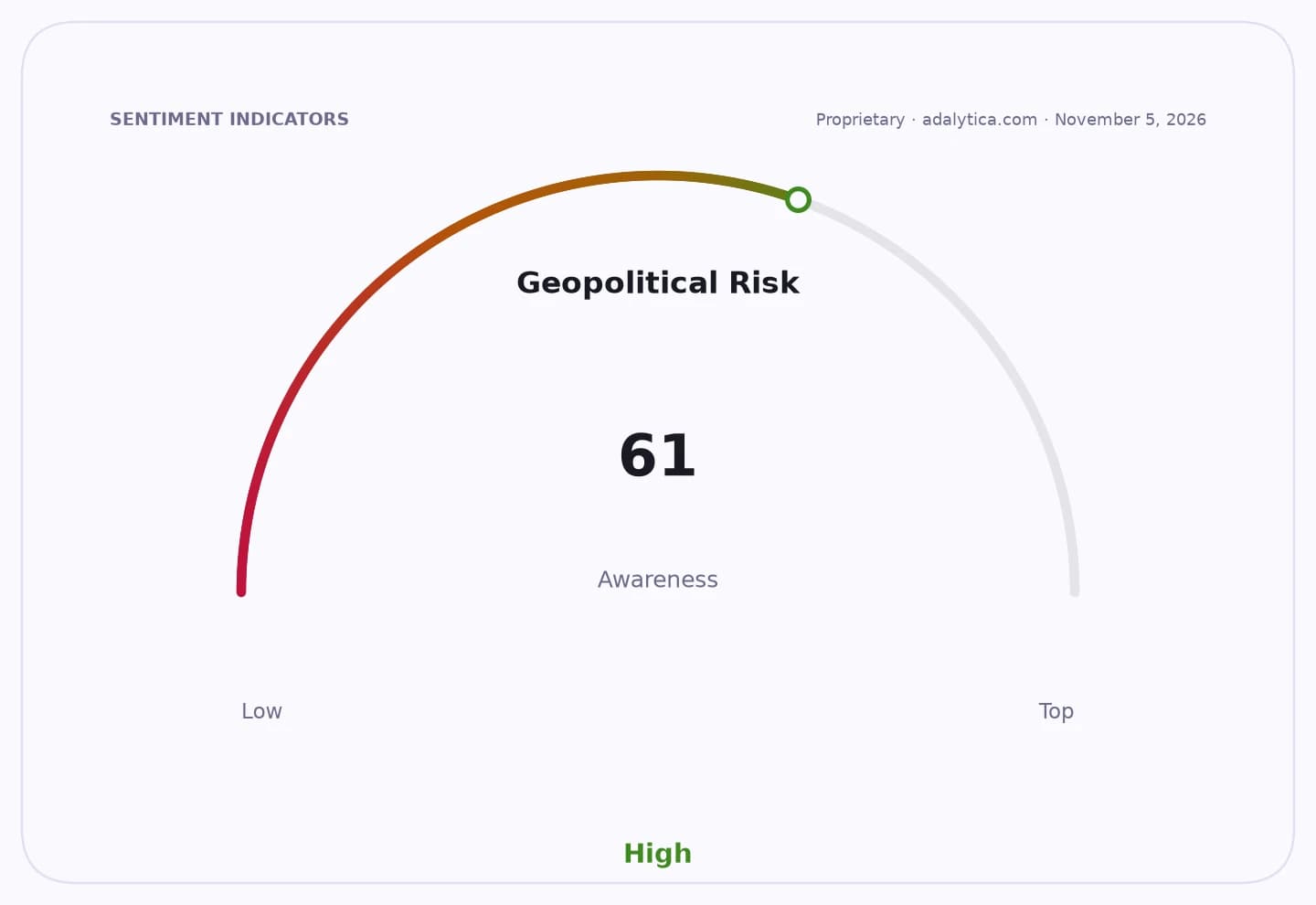
Geopolitical Risk
Yedioth Ahronoth reported that Prime Minister Benjamin Netanyahu is still pressing the Trump administration to carry out a strike on Iran, underscoring how the prospect of direct U.S. involvement remains a live geopolitical tail risk for markets. The report lands as Washington signals it may resume air strikes against Iran early in 2027 if diplomacy fails, while warning that Iranian ships trying to evade a U.S. blockade would be targeted.
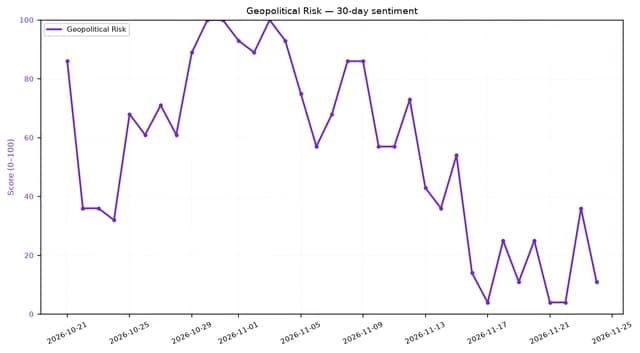
Sentiment Indicators
The market reaction shows investors are still pricing in a wide range of outcomes rather than dismissing the threat. West Texas Intermediate crude settled at $89.53 a barrel on Nov. 17 and was forecast at $89.56 for Nov. 18, after swinging sharply through the year, while the U.S. oil ETF USO was trading at $135.43 on Nov. 24 after touching $161.86 in September. Energy stocks have also been volatile: the XLE sector ETF fell to $60.45 on Nov. 24 from $70.02 on Oct. 30, even as the broader energy backdrop remains sensitive to any fresh shock in the Gulf.
The reason investors care is straightforward: an Iran strike would raise the odds of retaliation against Gulf infrastructure, tanker routes and regional bases, with knock-on effects for crude supply, freight costs and global inflation. That would be constructive for producers and oil services names, but negative for refiners, airlines, transport stocks and consumers facing higher fuel bills.
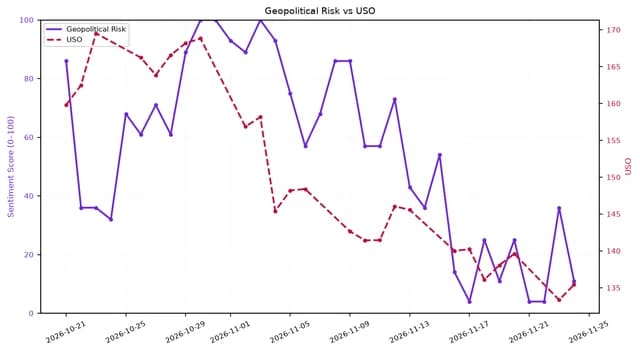
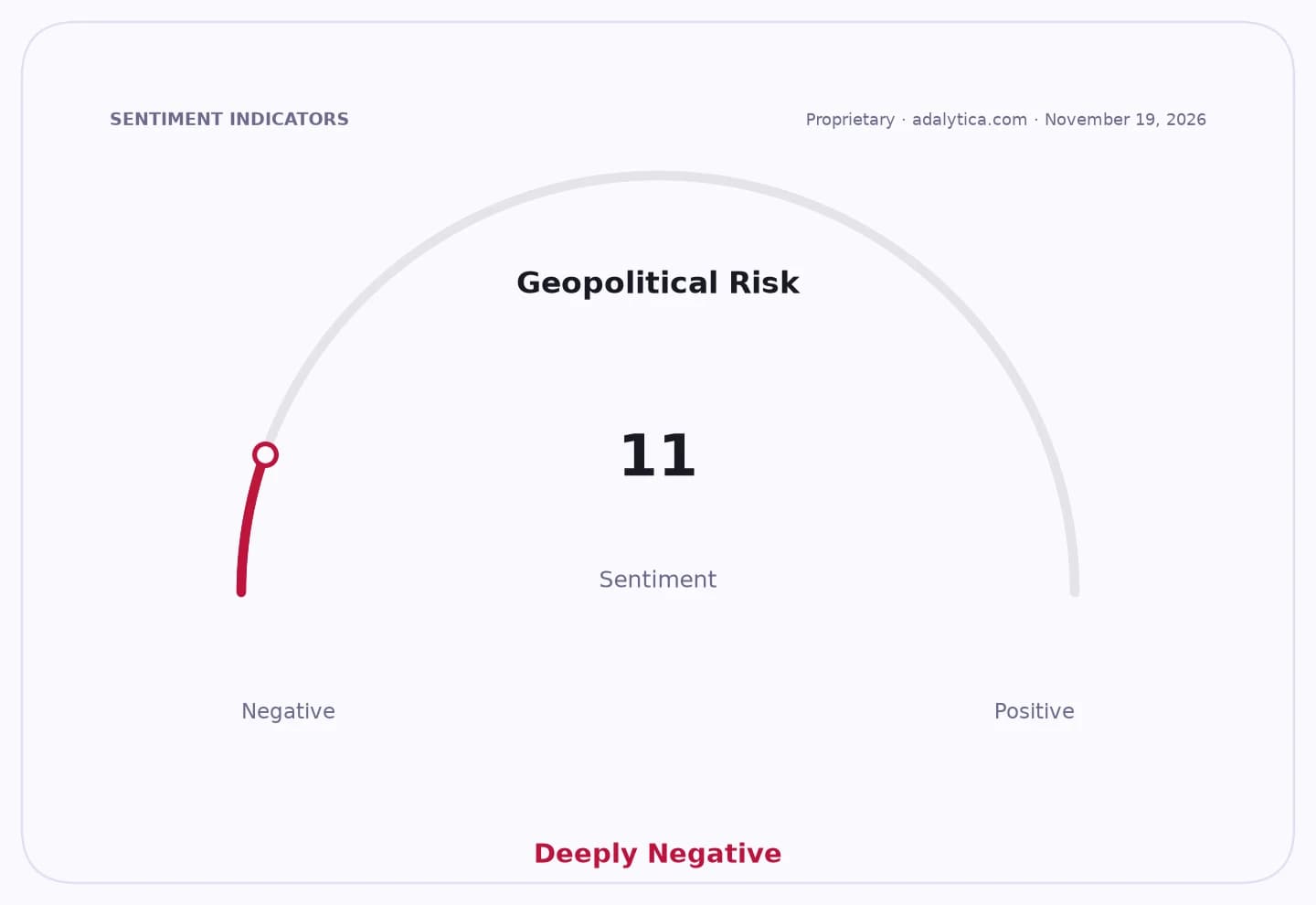
Gold’s recent slide does not eliminate the geopolitical bid, but it shows how quickly the market can rotate between safe havens and risk assets depending on the probability of escalation. GLD closed at $325.45 on Nov. 24, well below its recent highs, even as Adalytica’s Global Stability Sentiment sat at 11, or “Extreme Fear,” suggesting traders remain alert to headline risk even if they are not fully positioned for it.
For now, the key catalyst is whether diplomacy stalls and turns the rhetoric into action. Any confirmed move toward a U.S.-backed or unilateral strike on Iran would likely lift crude, support energy shares and pressure broader risk assets, while another round of negotiations could take some of the geopolitical premium out of oil.
| Entity | Gains | Losses |
|---|---|---|
| Oil producers | ▲Higher crude prices | ▼Demand shock if conflict widens |
| Energy stocks | ▲Wider margins, higher cash flow | ▼Volatility if talks ease |
| Airlines and refiners | ▲Lower fuel costs if diplomacy holds | ▼Higher jet fuel and feedstock costs |
| Global consumers | ▲Cheaper energy if strike risk fades | ▼Higher inflation if crude spikes |