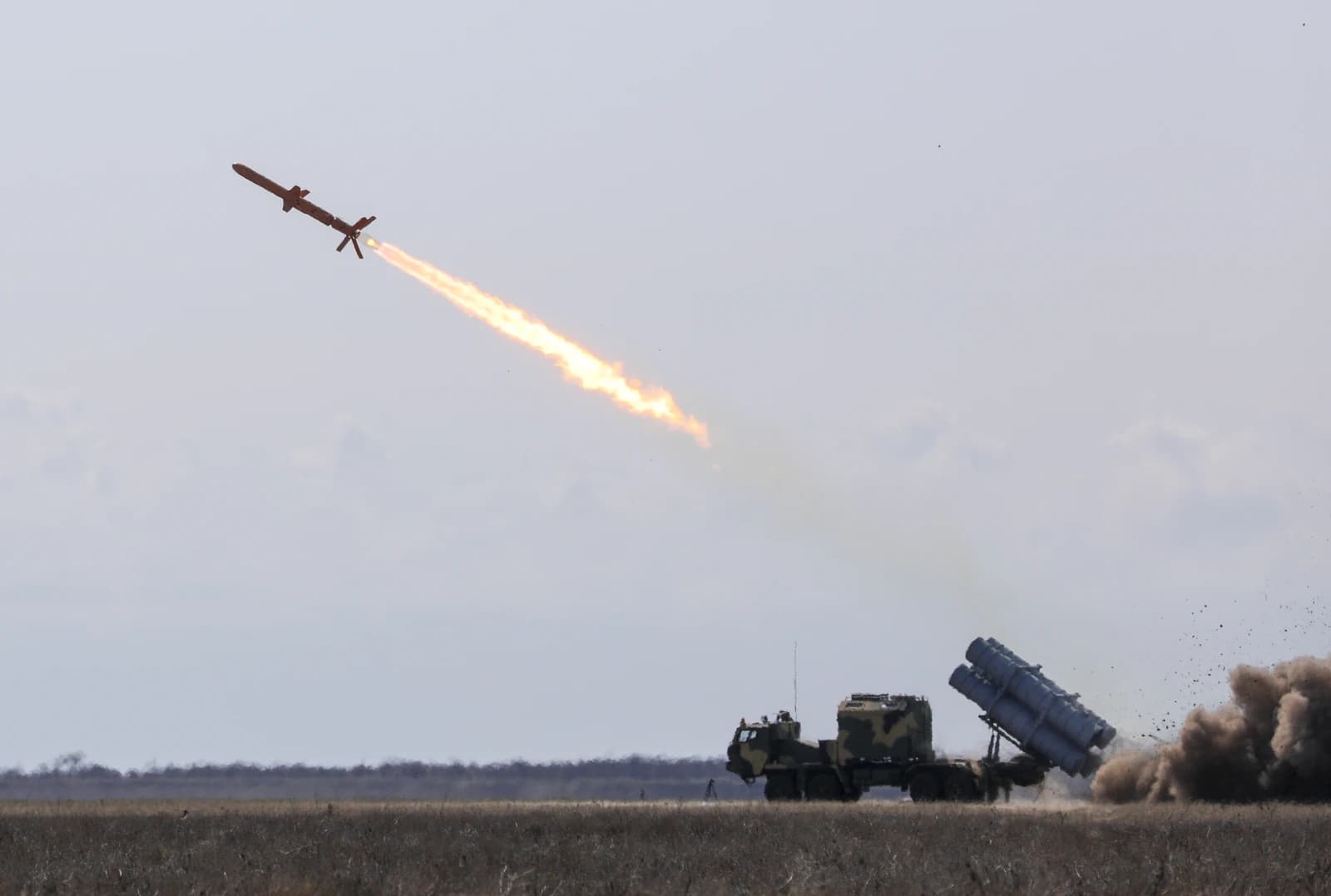
Iran says it is still exploring a diplomatic opening with Western intermediaries, even as it insists enriched material will not leave the country and frames sanctions as an act of war.
Iran Qatar Talks on Nuclear Diplomacy and Oil Risk
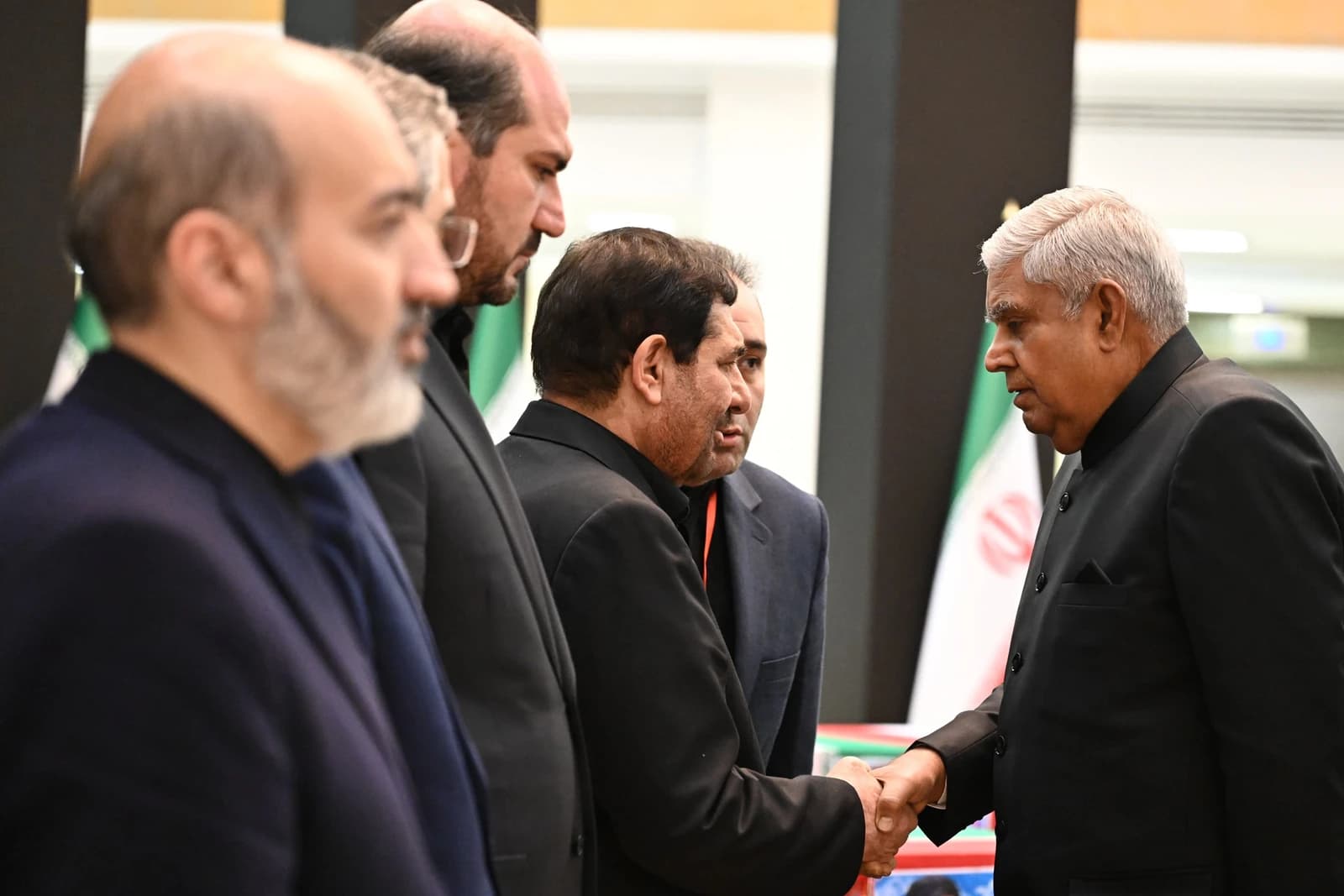
The comments, carried by Tasnim and attributed to Deputy Foreign Minister Kazem Gharibabadi, suggest Tehran is testing whether back-channel talks can slow the slide toward a wider confrontation over its nuclear program and regional posture. For investors, that matters because any genuine de-escalation would lower the risk premium embedded in oil, shipping and defense assets tied to the Gulf.
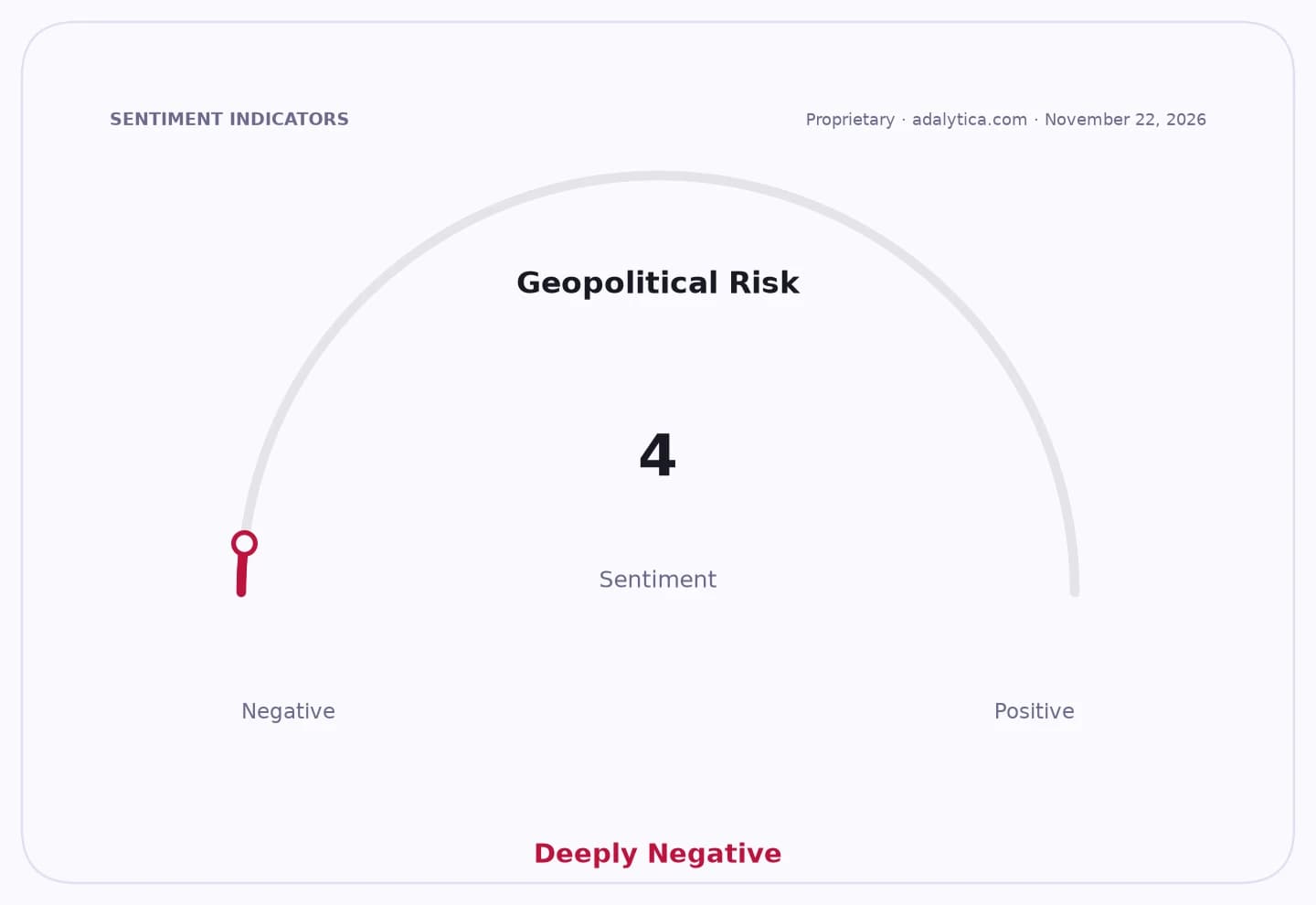
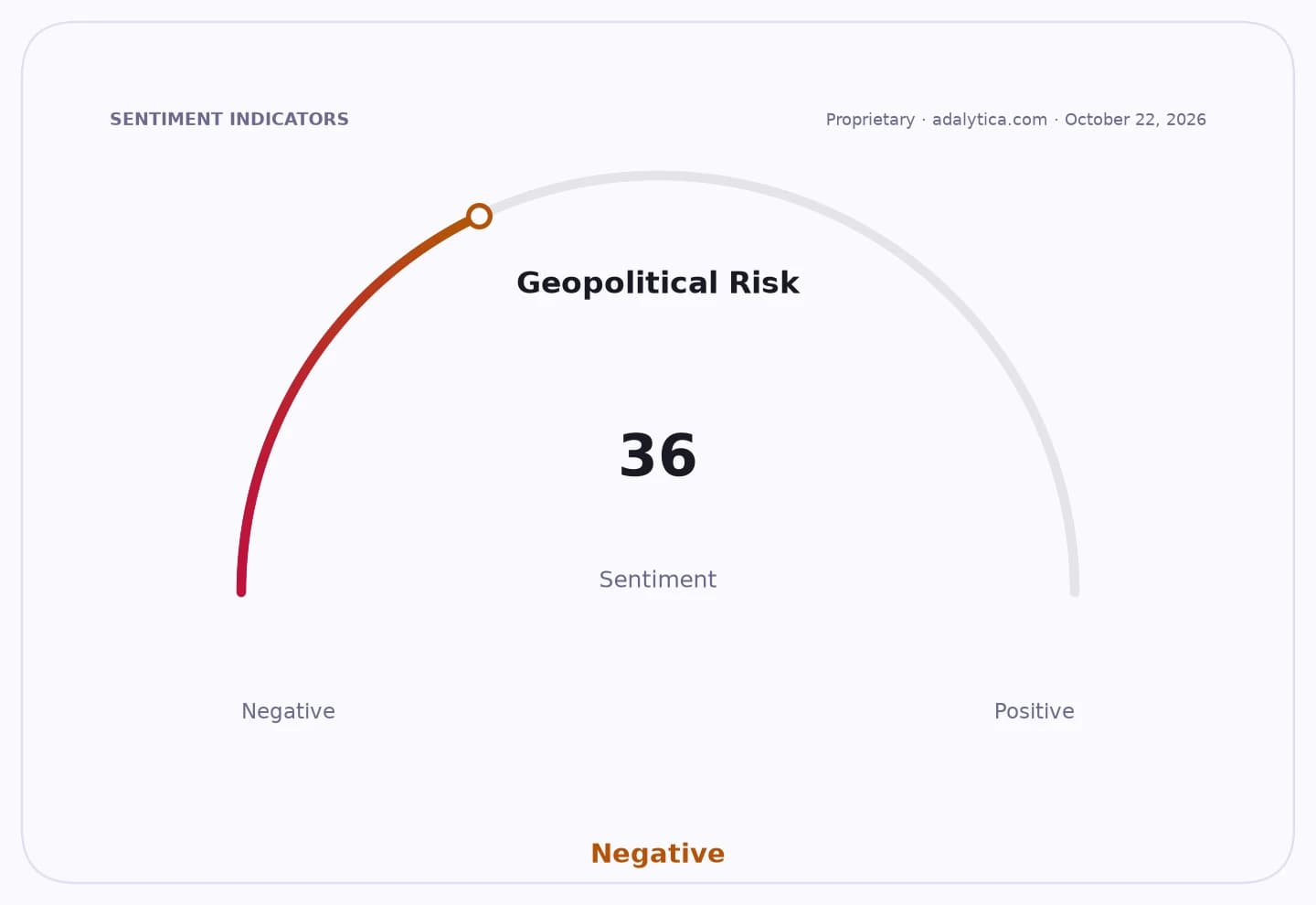
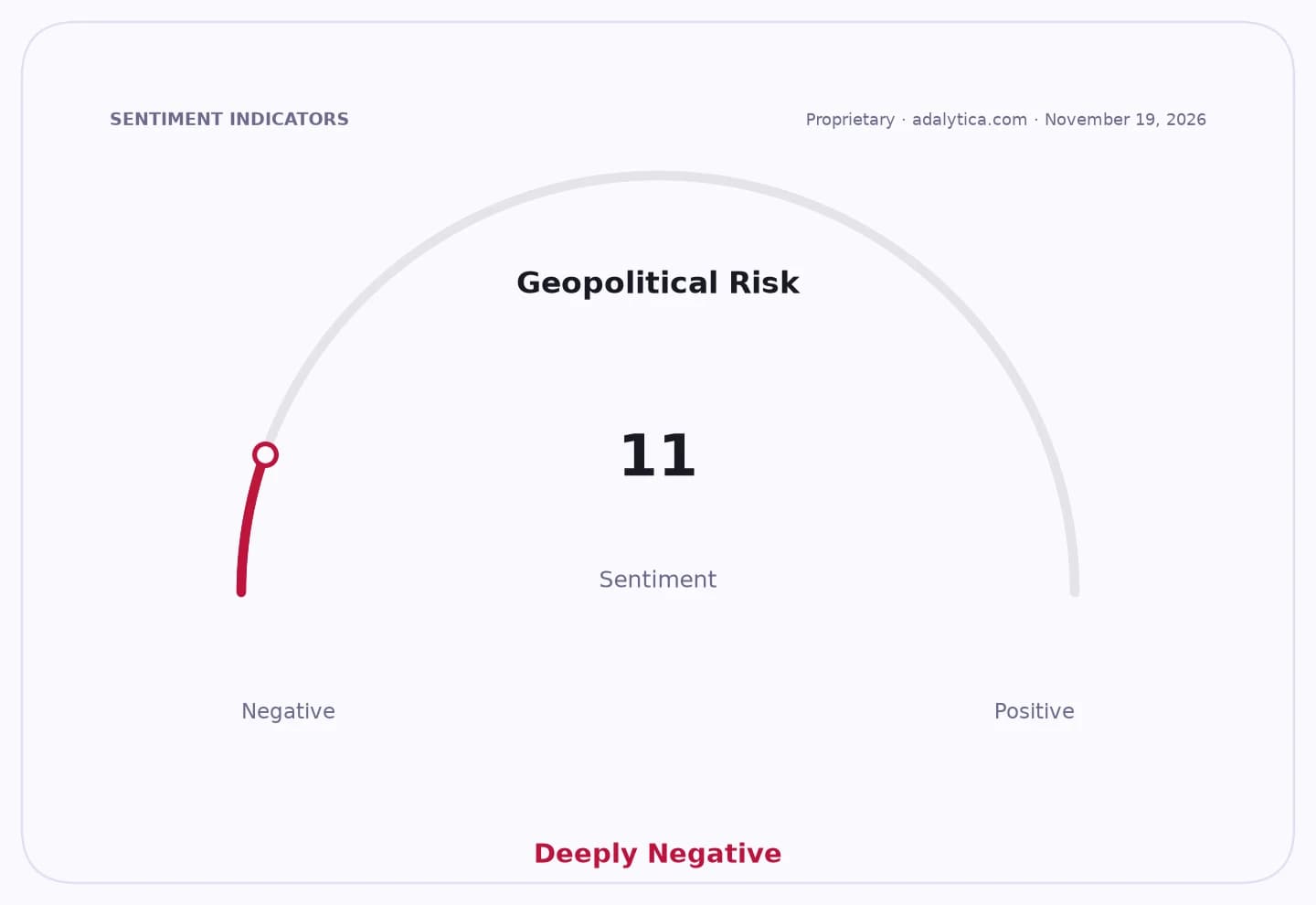
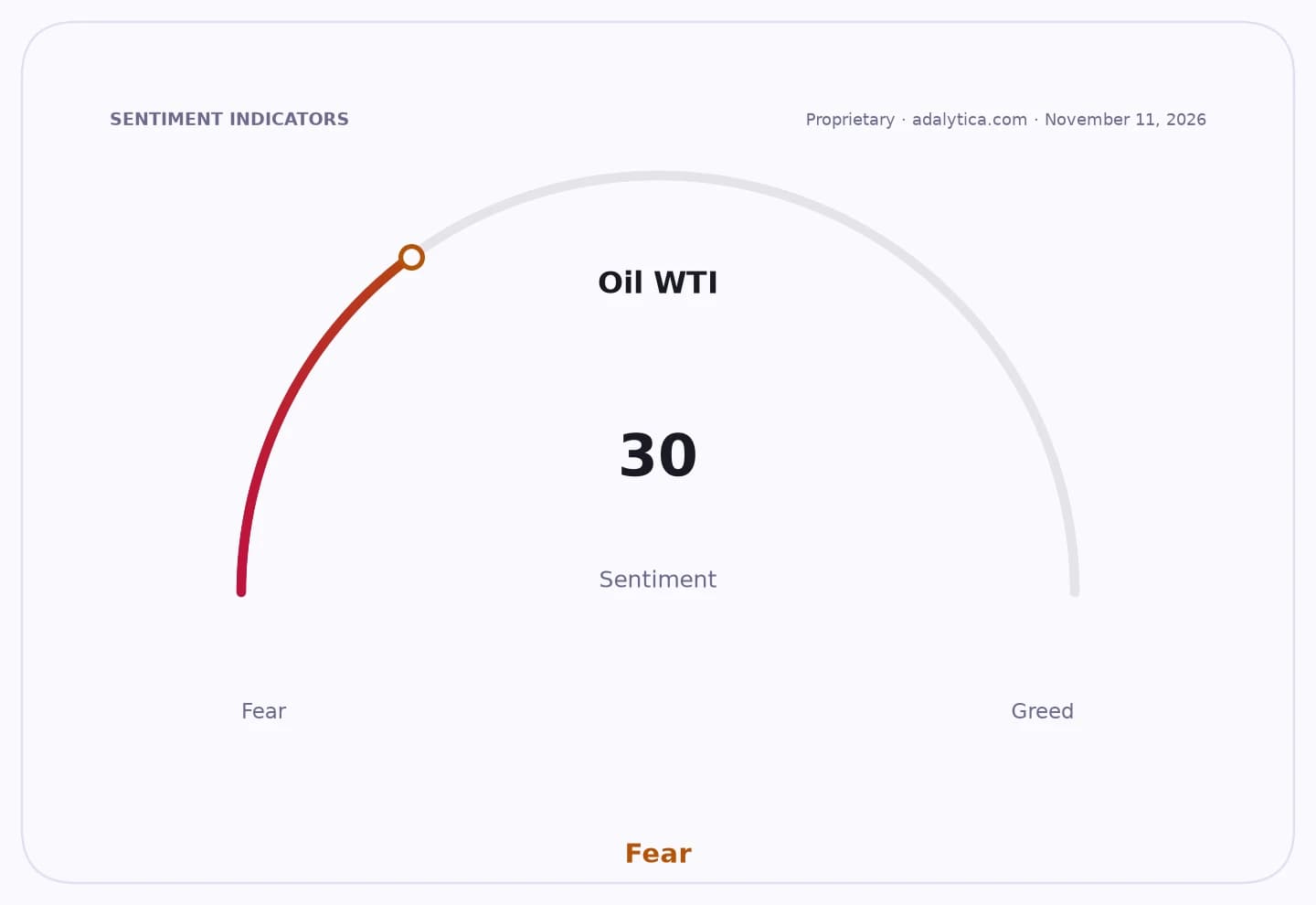
Sentiment Indicators
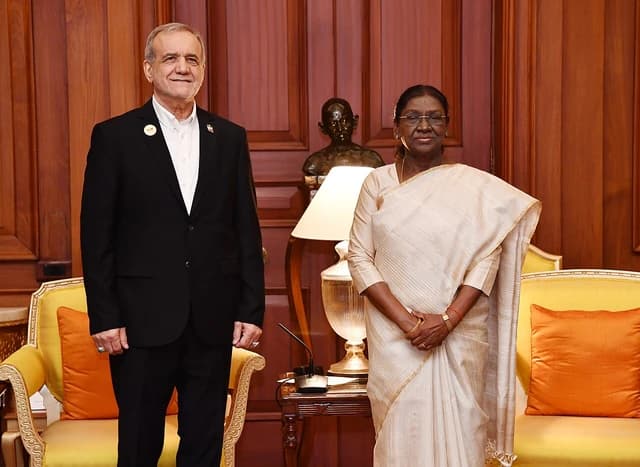
Tasnim said Iranian and Qatari officials held two hours of talks on Friday and that the Qatari delegation has since left the country. Qatar has often served as a conduit between Iran and Western powers, giving the latest contact more weight than routine diplomatic signaling, particularly with tensions elevated across the Strait of Hormuz.
Still, Tehran’s message remains uncompromising. Gharibabadi repeated that “materials” produced in Iran would not be transferred abroad “under any circumstances,” underscoring how far apart the sides remain on core nuclear issues.
Geopolitical Risk vs USOadalytica.com
Explore this data interactively — full history, time series and cross-market comparisons.
Geopolitical Risk
The backdrop is a jumpy energy market and rising geopolitical anxiety. U.S. benchmark WTI crude has swung sharply in recent months, while energy shares have sold off in the latest session even as the broader oil complex remains highly sensitive to headlines from the Gulf. Standard technical gauges on USO and XLE show both funds deeply oversold, with USO’s RSI near 30 and XLE’s around 25, a sign traders are reacting quickly to every escalation or hint of talks.
The immediate economic significance is the Strait of Hormuz, through which a large share of global seaborne oil flows. Any breakdown in diplomacy keeps insurance, freight and contingency costs elevated for producers and shippers, while any credible thaw could ease those pressures and cool crude volatility.
For investors, the next catalyst is whether the Qatar channel produces a concrete negotiating path or simply buys time. If talks fade, the market is likely to keep pricing in a higher-risk Middle East premium; if they deepen, oil, energy equities and Gulf-linked assets could retrace some of the recent geopolitical bid.
| Entity | Gains | Losses |
|---|---|---|
| Iran | ▲diplomatic breathing room | ▼sanctions pressure stays |
| Qatar | ▲mediator role | ▼exposure to regional tension |
| Oil bulls | ▲higher risk premium | ▼crude volatility eases |
| Importers/shippers | ▲lower disruption risk | ▼prolonged uncertainty |