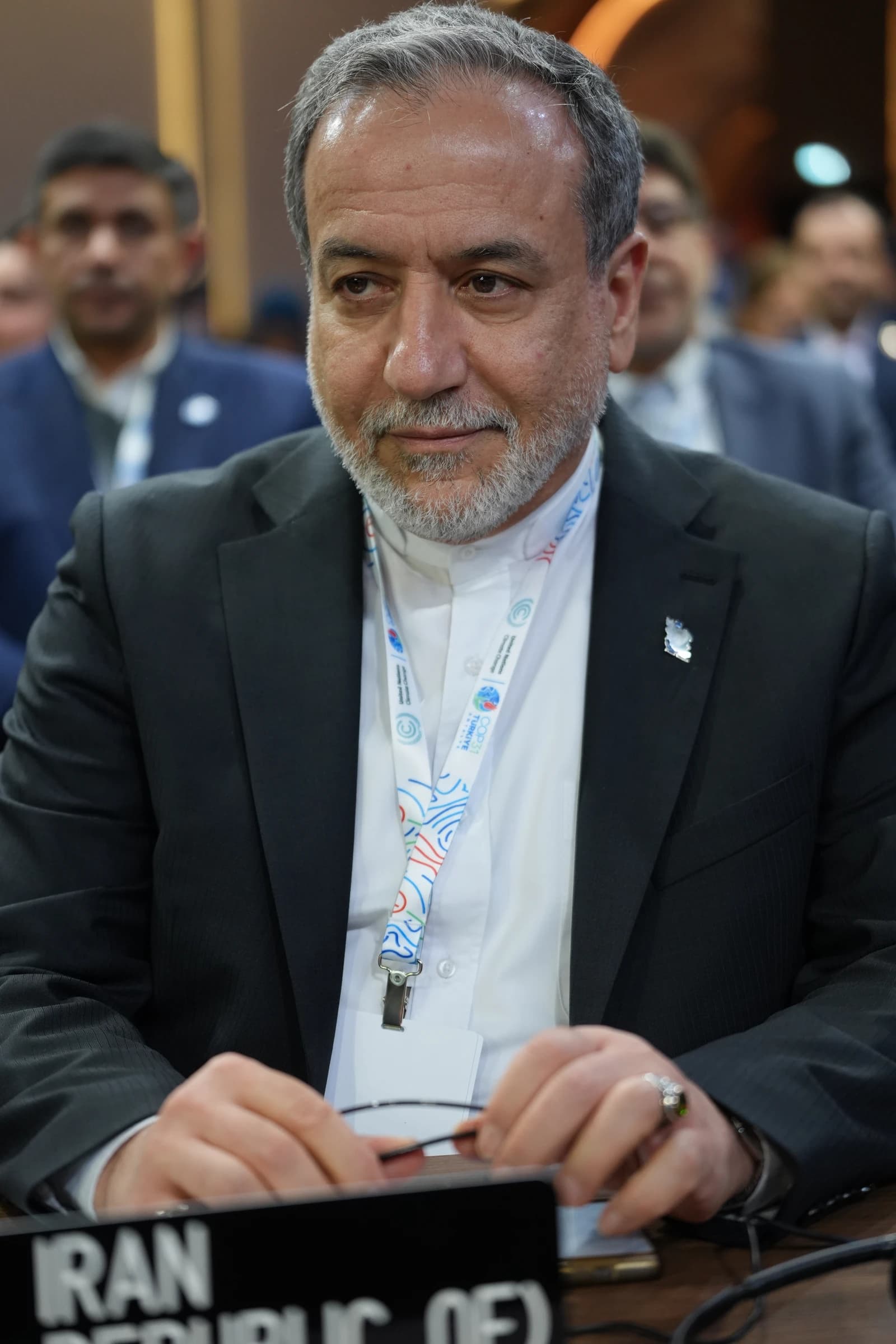
Iran’s refusal to ship enriched uranium out of the country is keeping the nuclear standoff alive and preserving a risk premium that investors still cannot afford to ignore. Foreign Minister Abbas Araghchi said Tehran is willing to talk about its stockpile of uranium enriched to as much as 60%, but will not agree to remove the material from Iranian soil, underscoring how far apart Tehran and Washington remain on the core terms of any deal.
Iran Uranium Standoff Keeps Oil Risk Premium
That matters because the uranium issue is not a procedural detail; it is the lever around which sanctions relief, regional escalation and energy-market volatility all turn. A compromise that leaves the stockpile inside Iran would likely be far harder for the US and its allies to sell politically, while a breakdown in talks would keep the possibility of tougher sanctions and a sharper security confrontation firmly on the table. For energy markets, that means the Strait of Hormuz premium does not disappear just because diplomacy is still in motion.
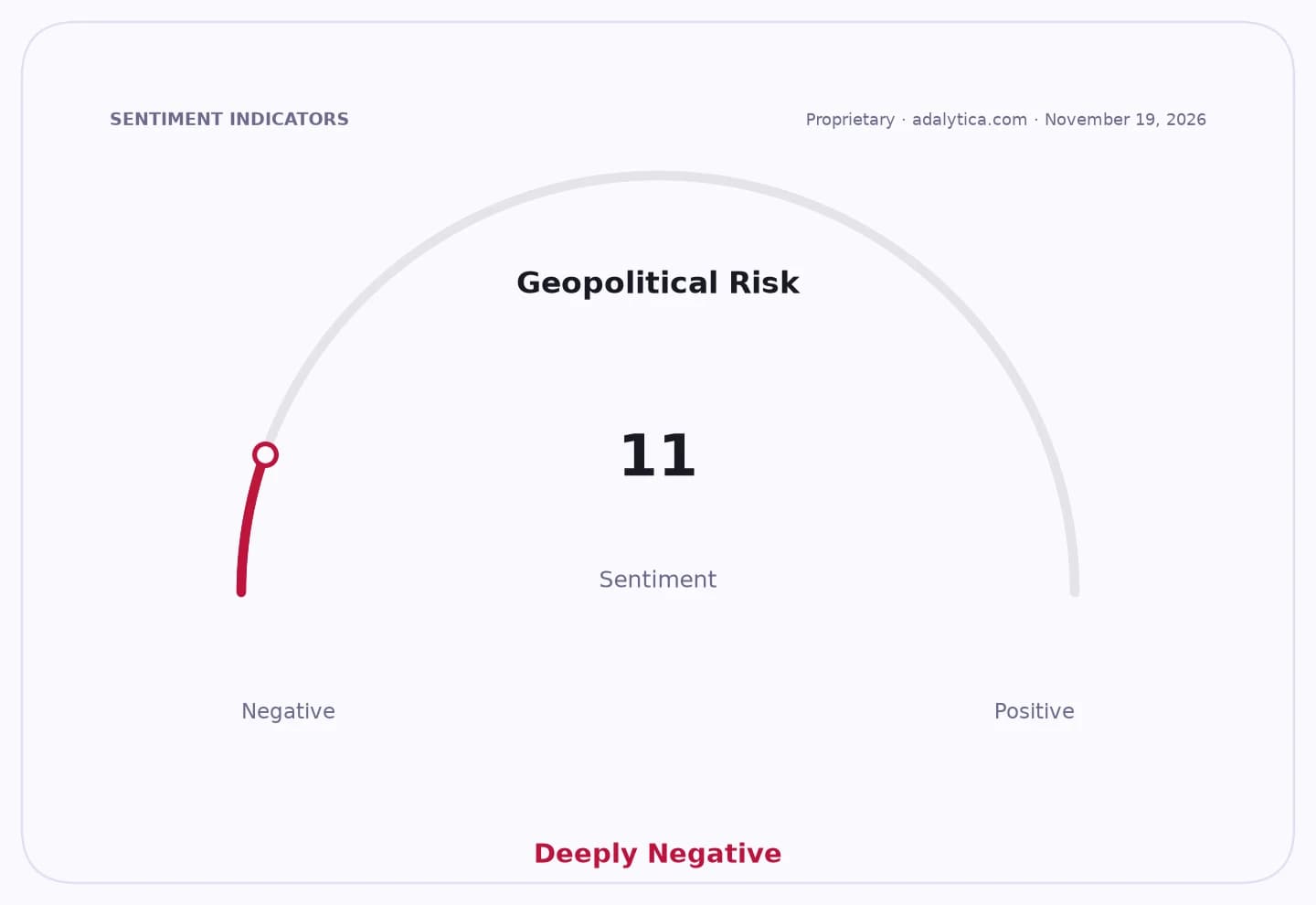
Sentiment Indicators
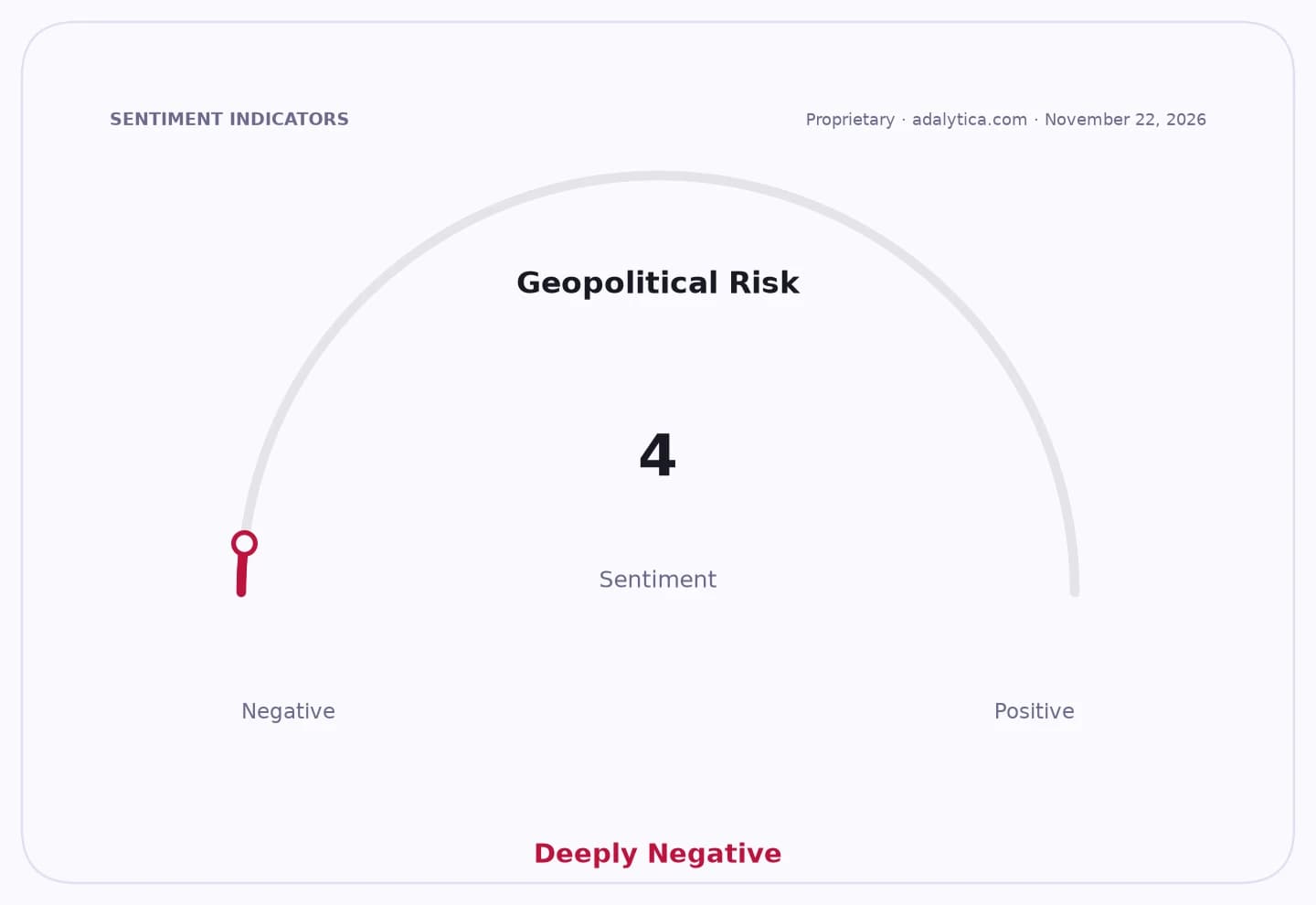
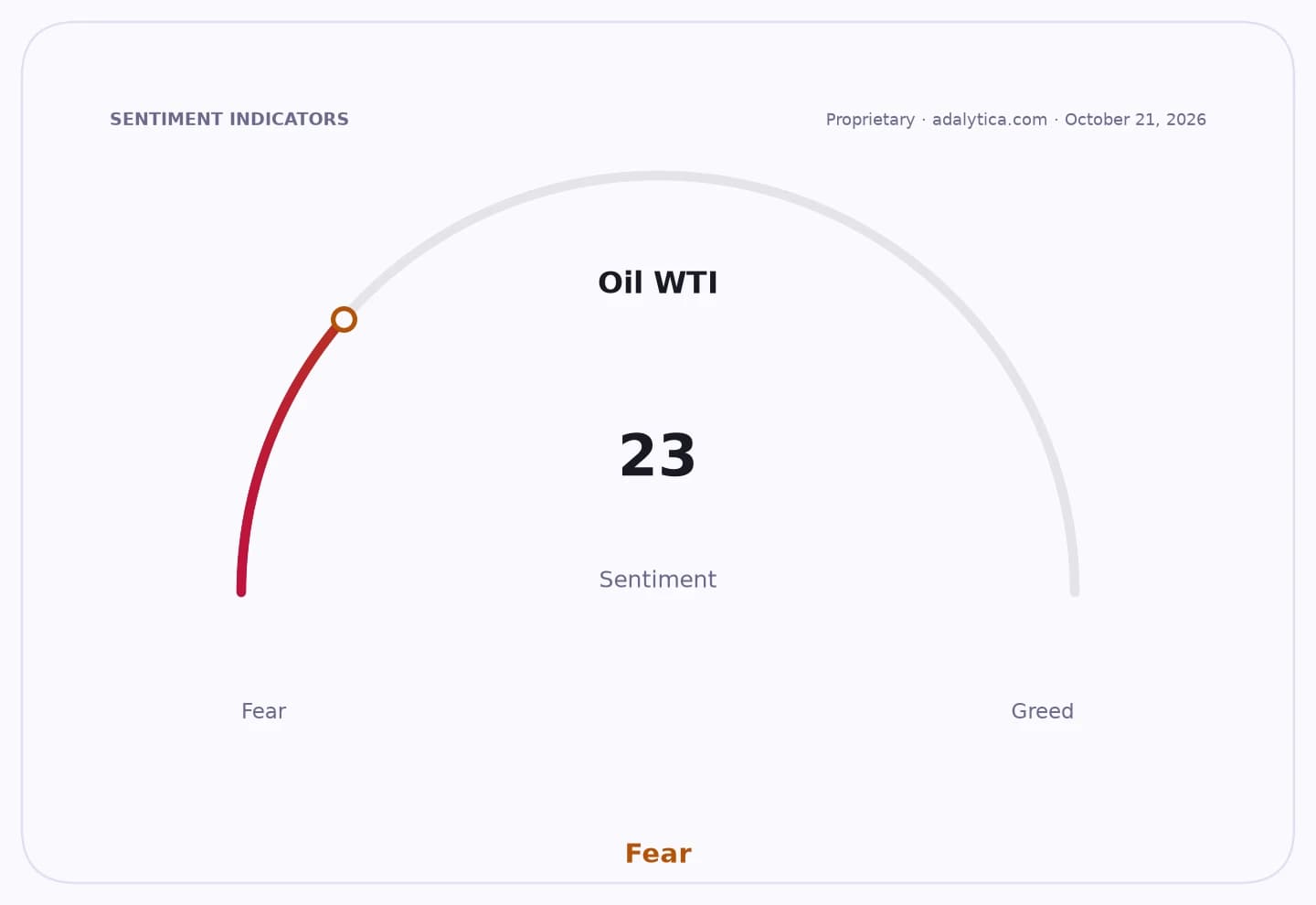
The market is already treating the region as fragile. WTI-linked USO has pulled back to $133.36 after surging earlier in the year, but the fund’s RSI remains elevated enough to show how quickly crude can reprice when tensions flare. Adalytica’s Oil WTI Trade Signals still show “Extreme Greed,” even after a recent fade, while global stability sentiment has flipped only to neutral, not calm. Gold, meanwhile, remains a classic hedge: GLD is holding well above long-term levels even after a sharp three-day drop, a sign that investors are still willing to pay for protection against geopolitical surprises.
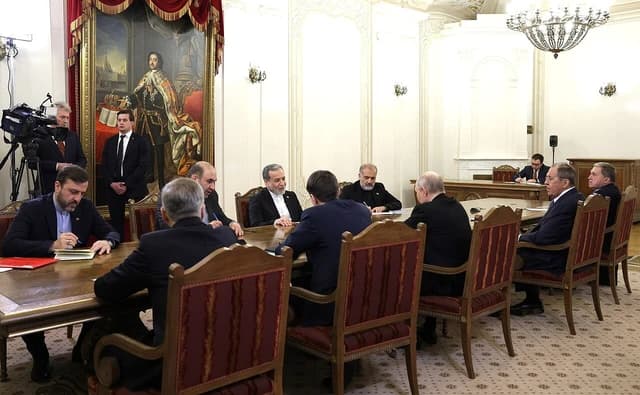
Araghchi said Tehran is open to a “fair formula” on enrichment as part of a broader agreement that safeguards Iran’s national interests. He also said the US and Iran continue exchanging proposals through Qatar and Pakistan, suggesting diplomacy is not dead — only boxed in by a red line that appears non-negotiable for Tehran. That leaves the market with a familiar setup: talks that can cap the immediate upside in crude, but not remove the tail risk that can send oil, defense assets and safe havens sharply higher in a matter of hours.
Geopolitical Risk vs USOadalytica.com
Explore this data interactively — full history, time series and cross-market comparisons.
Geopolitical Risk
For investors, the message is straightforward. This is not the moment to fade geopolitical hedges entirely. Energy producers, oil-service names and select defense names still offer exposure to a world where Middle East risk can return overnight, while gold remains the cleaner portfolio hedge if negotiations stall or sanctions pressure intensifies. The market underestimates how quickly one statement from Tehran can reprice the whole complex, and that asymmetry is exactly why positioning still matters here.
| Entity | Gains | Losses |
|---|---|---|
| Oil producers | ▲Higher risk premium | ▼Demand fears if talks improve |
| Gold holders | ▲Safe-haven bid | ▼Lower hedge demand if deal advances |
| Iranian negotiators | ▲Bargaining leverage | ▼Pressure for concessions |
| Importers/consumers | ▲Potential relief if deal holds | ▼Price spikes if talks fail |