Iran’s vast oil and gas network has moved back to the center of global energy risk after reports that Israel may target Iranian petroleum facilities raised the prospect of a direct hit to one of OPEC’s biggest producers and a key source of supply for China and regional gas buyers.
Iran oil facilities at risk after Israel reports
That matters because Iran still underpins a meaningful slice of the world’s crude and gas trade despite years of sanctions. A strike on production, storage, export terminals or processing plants would not only threaten Iranian exports, it could also jolt prices by disrupting flows through the Strait of Hormuz, the narrow waterway that carries a large share of Gulf oil to world markets.
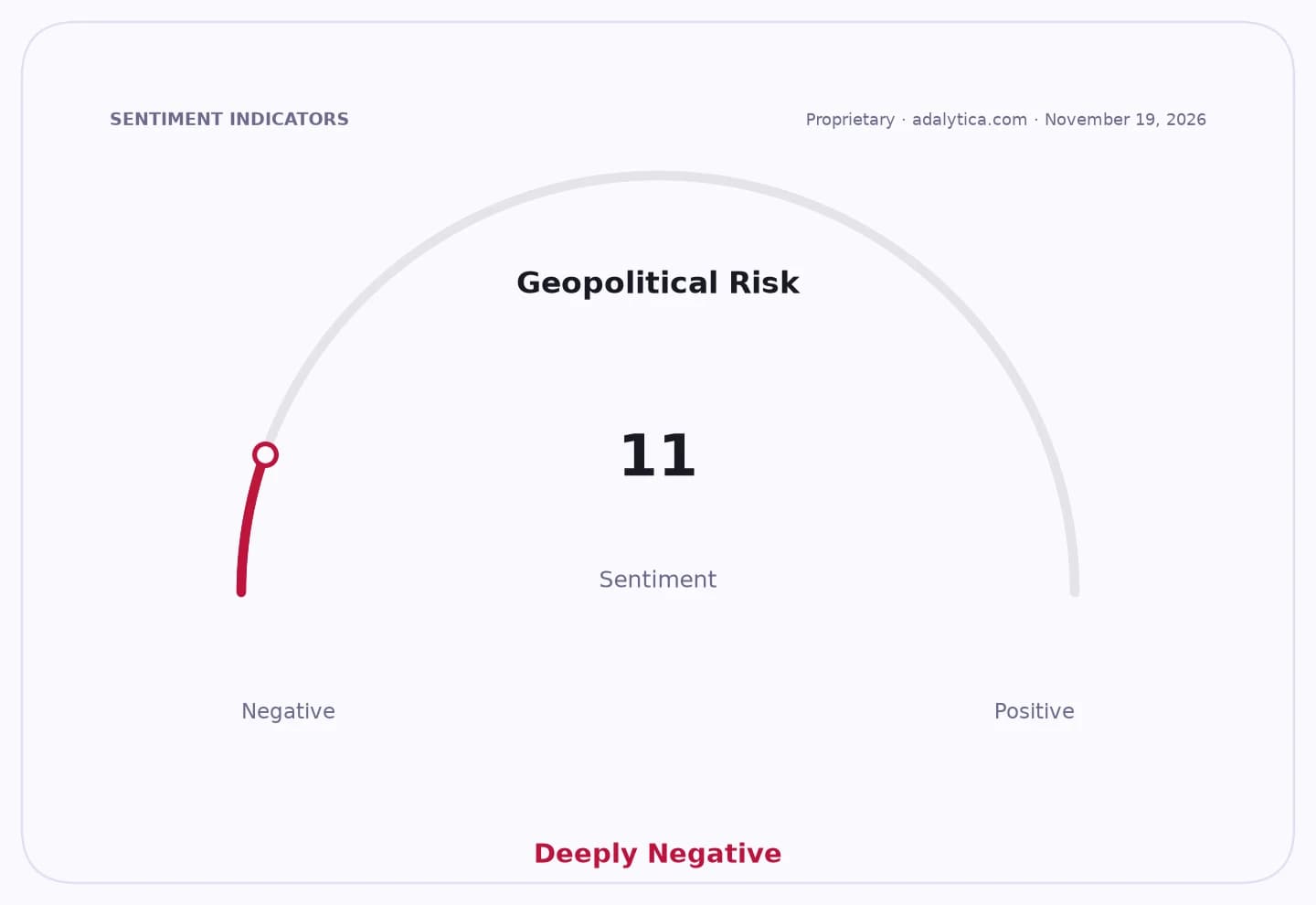
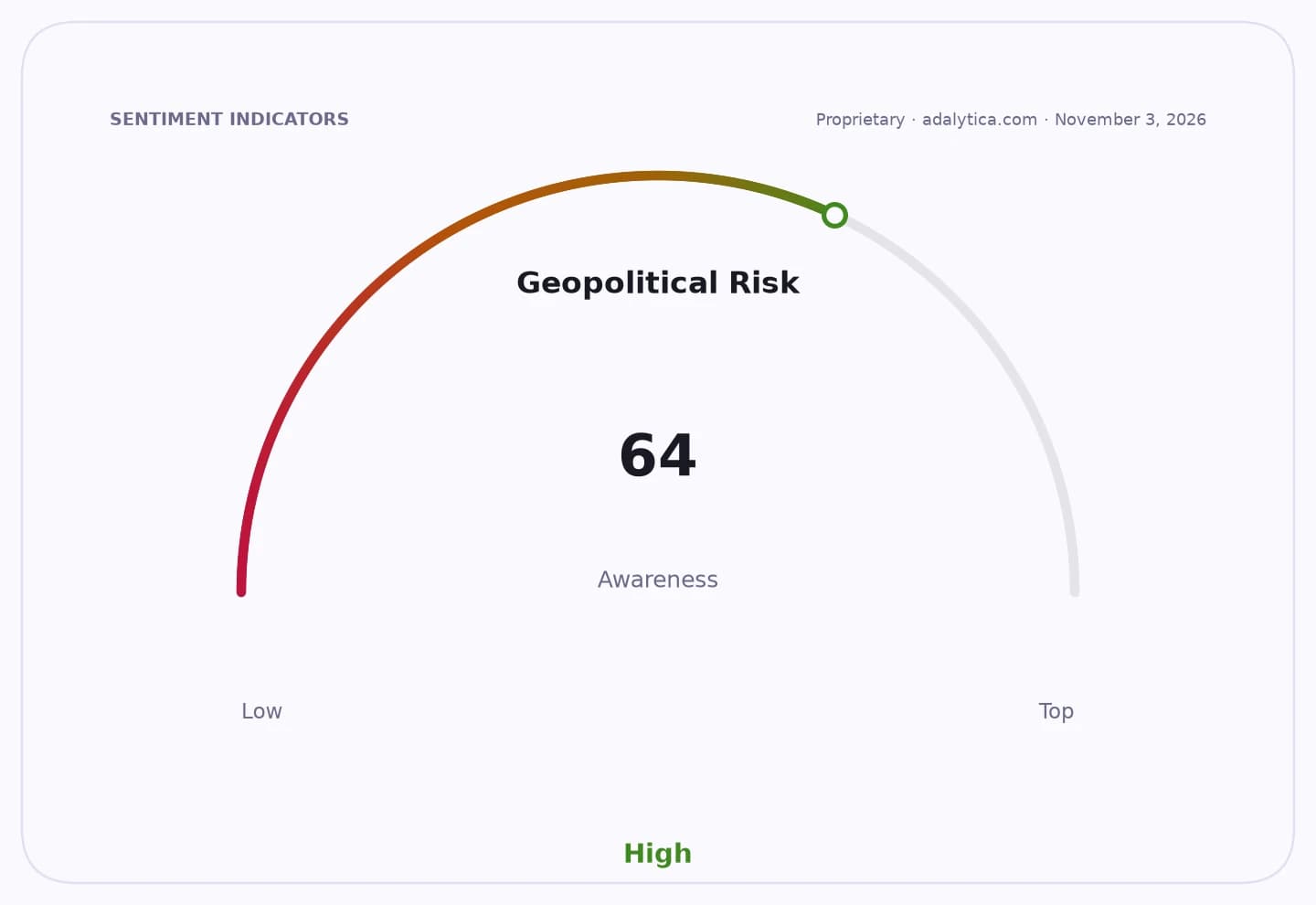
Sentiment Indicators
Geopolitical Risk
Iran says it holds 160.12 billion barrels of recoverable liquid hydrocarbons and roughly 34 trillion cubic metres of recoverable gas, placing it among the world’s most important energy powers even though sanctions have capped investment and slowed modernization. Before U.S. sanctions returned in 2018, the country produced about 3.8 million barrels a day of oil; output fell to around 2.6 million barrels a day in 2023 before rebounding to about 3.42 million barrels a day in August 2024, according to the International Energy Agency.
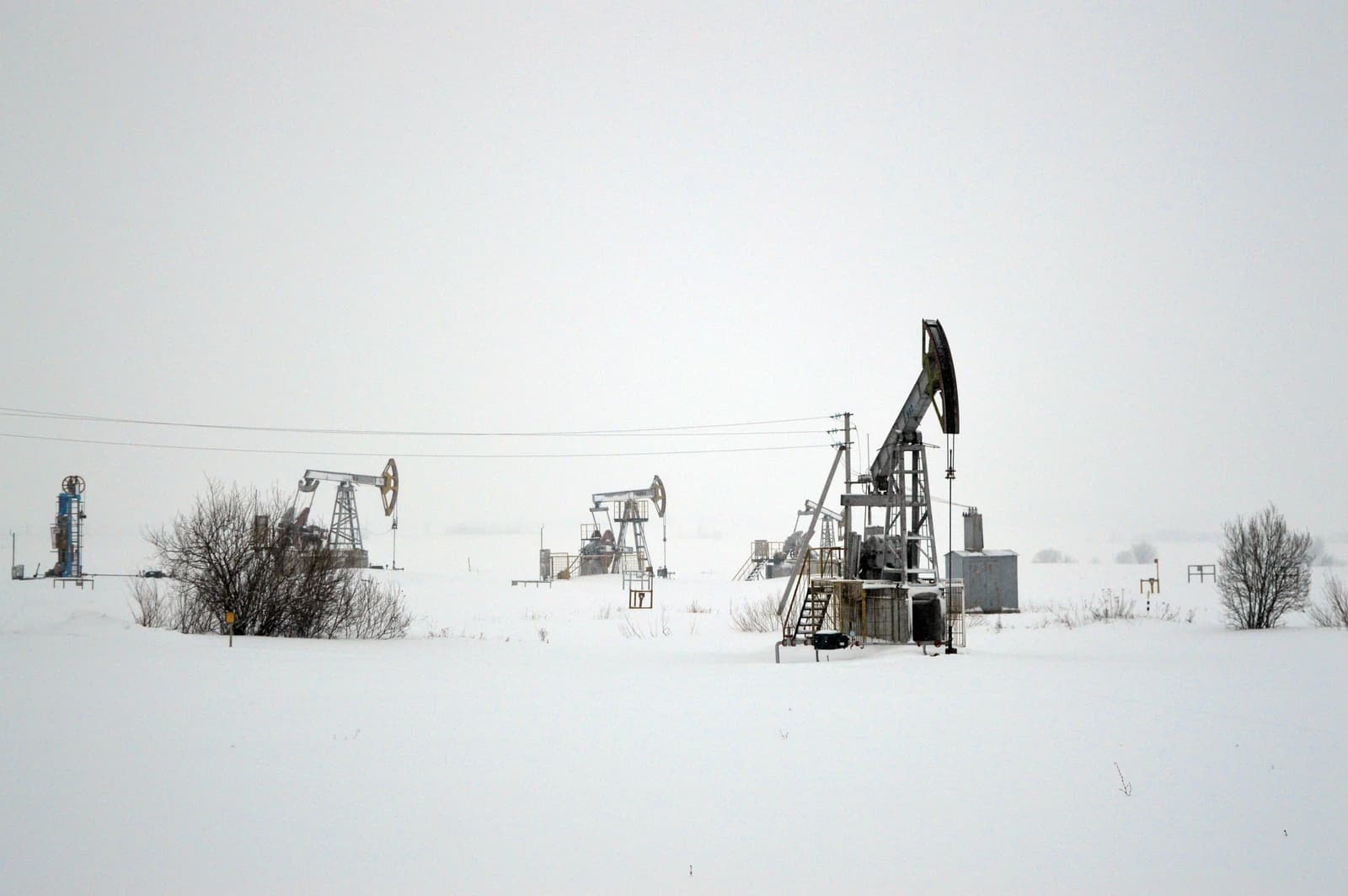
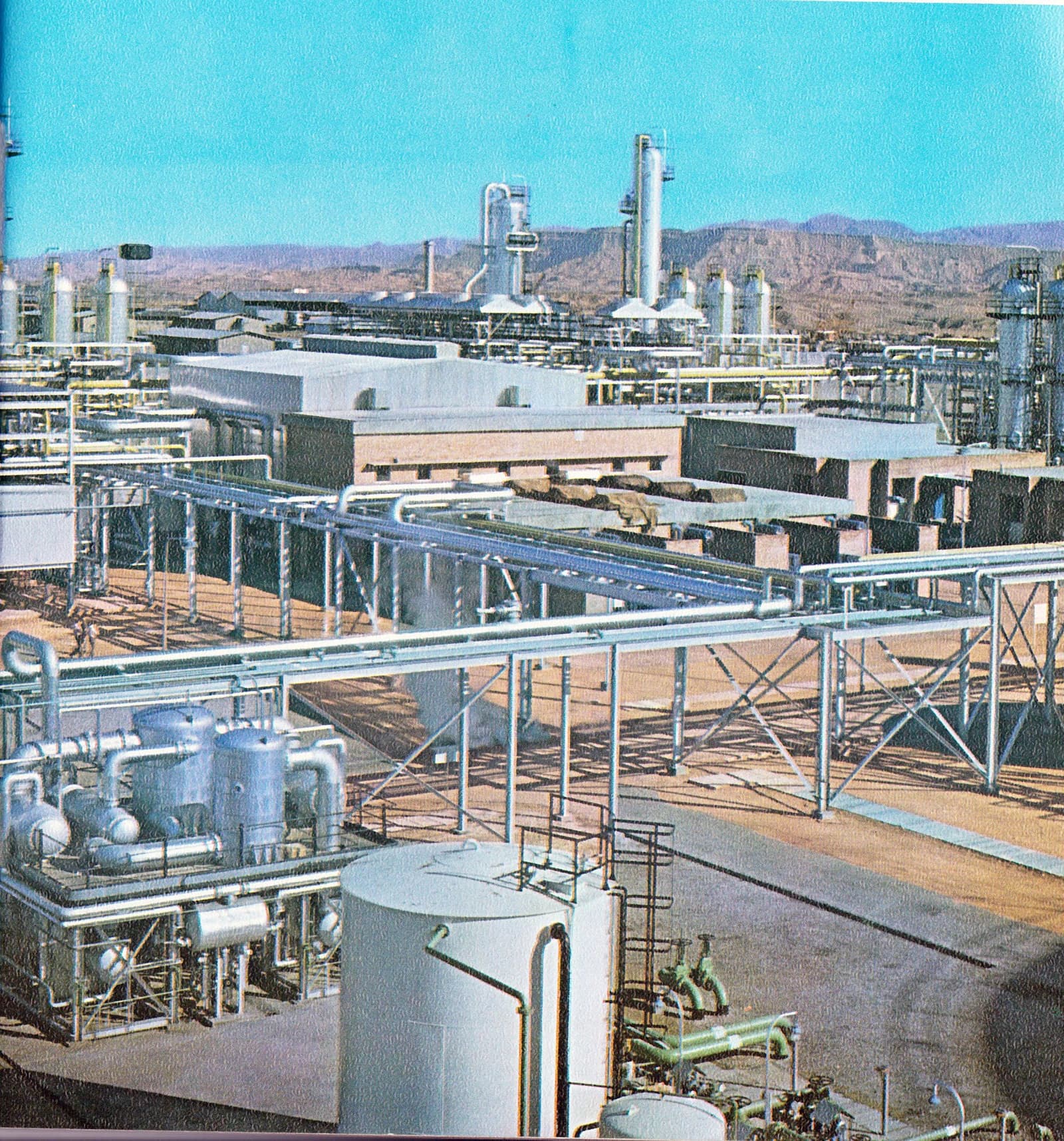
The most important crude assets are concentrated in the southwest, near Ahvaz. Ahvaz is Iran’s largest oil field and produces about 800,000 barrels a day. Nearby, the giant Kajsaran field holds about 52 billion barrels of total reserves and produces roughly 480,000 barrels a day. Marun, Azadegan and Aghajari are also major fields in the same oil-rich belt, giving the region outsized strategic importance in any conflict scenario. Damage there would be more consequential than a strike on a peripheral asset because it could interrupt a large share of Iran’s upstream capacity at once.
Oil WTI — 30-day sentimentadalytica.com
Explore this data interactively — full history, time series and cross-market comparisons.
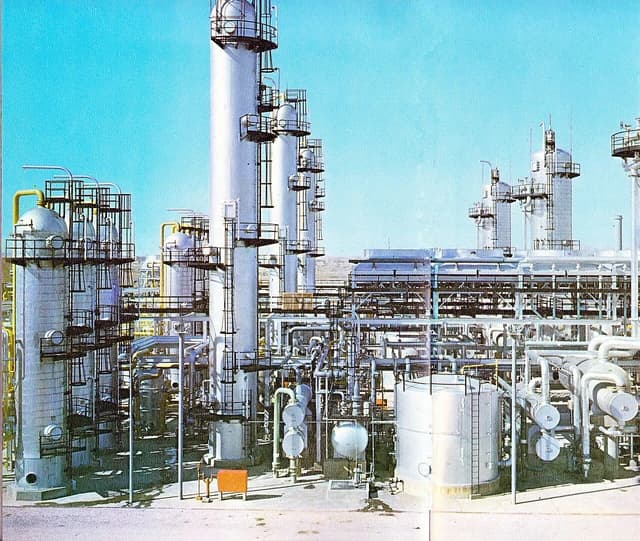
On the gas side, the South Pars field is the centerpiece. Shared with Qatar and often called the North Field on the Qatari side, it is the world’s largest gas field and accounts for about half of Iran’s gas reserves and around 8% of global gas reserves. It is not just a reservoir but the backbone of domestic fuel supply, feeding households, factories and power plants. A hit to South Pars or its associated facilities would therefore affect both exportable gas and Iran’s internal energy balance, increasing the risk of local shortages, outages and broader economic strain.
That is why the vulnerability extends beyond the wells themselves. Key production hubs such as the Karon facilities in Khuzestan, the Abadan station and major refineries in Abadan, Isfahan, Bandar Abbas and Tehran would all matter in a disruption. Abadan’s refinery alone has a capacity of about 500,000 barrels a day and remains central to Iran’s ability to turn crude into gasoline and diesel for domestic use. If refining capacity were impaired, the shock would ripple into transport, industry and inflation inside Iran even if crude production continued.
For investors, the immediate trade is familiar: geopolitical risk premiums rise fast, but sustaining them requires a credible threat to supply. Iran’s export model, heavily reliant on a shadow tanker fleet and sales to China and other Asian buyers, makes its flows harder to monitor and easier to redirect than those of more transparent producers. That complicates any market estimate of how much supply could be lost in a conflict and how quickly spare capacity elsewhere could respond.
Oil benchmarks and energy equities have already reflected that tension. USO, the oil ETF, has swung sharply, while energy shares tracked by XLE and oil-services stocks represented by OIH have also shown heightened volatility. The broader market question is whether the current risk is a short-lived geopolitical spike or the start of a more durable disruption premium tied to the Strait of Hormuz and Iranian infrastructure.
For now, the bear case is that sanctions, aging infrastructure and limited foreign investment mean Iran cannot fully monetize its reserves anyway, so the market impact of any strike may prove temporary unless exports are physically constrained. The bull case is that even a partial outage of Ahvaz, Kajsaran or South Pars could quickly remove enough supply to tighten a market already sensitive to Middle East escalation.
| Entity | Gains | Losses |
|---|---|---|
| Oil bulls | ▲Geopolitical premium | ▼Supply stability |
| Iran’s rivals | ▲Higher leverage | ▼Regional calm |
| China and Asian buyers | ▲Bargaining power | ▼Reliable imports |
| Iranian producers/refiners | ▲None | ▼Output and margins |