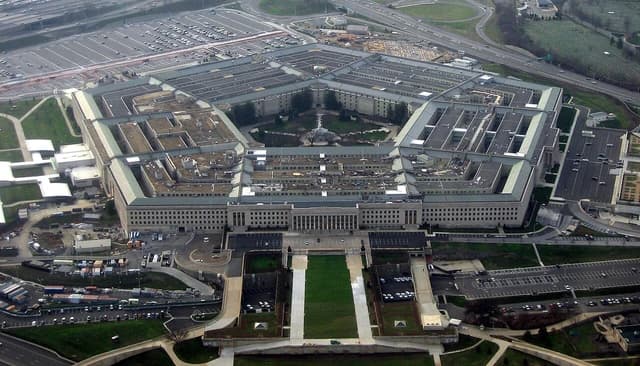
U.S. stock futures slipped Thursday as traders weighed the risk that the Pentagon could prepare strikes on Iran, a development that could jolt energy markets, keep inflation sticky and complicate the Federal Reserve’s next move.
Iran strike risk lifts oil, stocks and rate fears

That is the real market story here. A military escalation in the Middle East would not just be a geopolitical headline; it would flow straight into oil, bonds and rate expectations. Brent futures were hovering around $104 a barrel as reports of potential strikes on Iran’s nuclear and energy targets intensified supply fears, while a tanker fire in the Gulf of Oman and Tehran’s warning on the Strait of Hormuz added to the sense that energy flows could be disrupted. For investors, that matters because higher crude prices tend to feed into gasoline, freight and corporate costs, making it harder for inflation to cool.
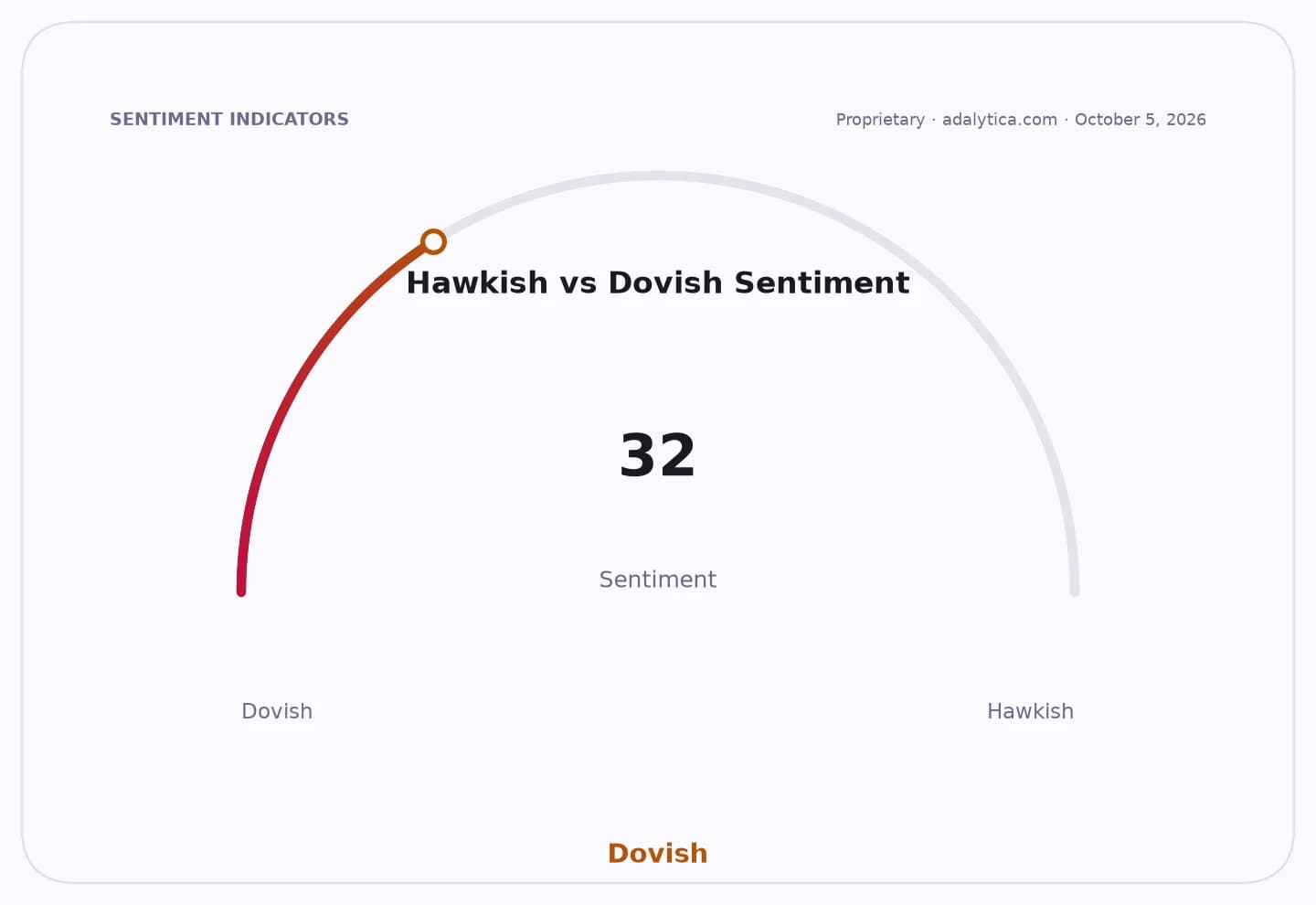
Sentiment IndicatorsⓘProprietary · adalytica.com · October 10, 2026
This is a snapshot — live sentiment, awareness and momentum for 130+ markets update continuously in the dashboard.Open AlphaPulse
The market is already showing that tension. S&P 500 and Nasdaq 100 futures were lower in premarket trading, with the SPY and QQQ both down, while the 10-year Treasury yield sat at 5.32% and the 2-year at 4.79%. The September Fed minutes showed most officials leaning toward another rate hike before year-end, and even though traders are mostly pricing in a pause at the next meeting, another oil shock would strengthen the case for tighter-for-longer policy. That is the kind of backdrop that tends to pressure high-multiple growth stocks and reward energy producers, cash-rich companies and businesses with pricing power.
The good news, if there is one for long-term investors, is that the underlying U.S. economy still looks sturdier than the headlines suggest. Weekly jobless claims fell to 197,000, below expectations, which points to continued labor-market resilience. That gives the market some buffer against a growth scare. It also helps explain why dips like this often turn into opportunities rather than disasters for patient investors, especially those diversified across sectors instead of betting on one corner of the market.
Individual stocks reflected the same split. Applied Digital rose after a better-than-expected first quarter, a reminder that the AI buildout still has powerful demand behind it. Levi Strauss fell on mixed results, showing consumer names can stay uneven even when the broader economy holds up. Micron slipped on strike concerns in Taiwan, and Caterpillar declined after regulators asked for comments on farm equipment markets. In other words, investors are facing a classic crosscurrent: geopolitics and policy are pressuring sentiment, while company-specific fundamentals continue to do the heavy lifting.
For buy-and-hold investors, the takeaway is not to try to outguess every headline from the Middle East. It is to recognize that oil shocks can change inflation expectations, bond yields and market leadership fast. That usually means more volatility, but it can also mean better entry points for quality businesses tied to long-run trends like AI, digital infrastructure, industrial automation and energy security. This is a moment to stay diversified, stay patient and keep watching whether the oil spike broadens into something more persistent.
| Entity | Gains | Losses |
|---|---|---|
| Energy producers | ▲Higher crude prices | ▼Demand shocks if growth slows |
| Oil consumers | ▲— | ▼Higher input and fuel costs |
| Growth stocks | ▲Select AI leaders | ▼Higher rates and weaker sentiment |
| U.S. Treasurys | ▲Short-end pricing power | ▼Long-duration bonds and rate-sensitive assets |