Iran is making a political push to deepen cooperation with Tajikistan, a move that matters less for symbolism than for how Tehran is trying to widen its regional economic and diplomatic options under sanctions.
Iran pushes deeper economic ties with Tajikistan

President Masoud Pezeshkian said in a letter to Tajik President Emomali Rahmon that expanding ties with the Central Asian state has become a “political priority” for Iran, framing the relationship around “mutual interests,” regional stability and shared cultural and linguistic links. The message, sent on Tajikistan’s 35th independence anniversary, underscores Tehran’s effort to convert long-standing civilizational affinity into practical trade, investment and political alignment.
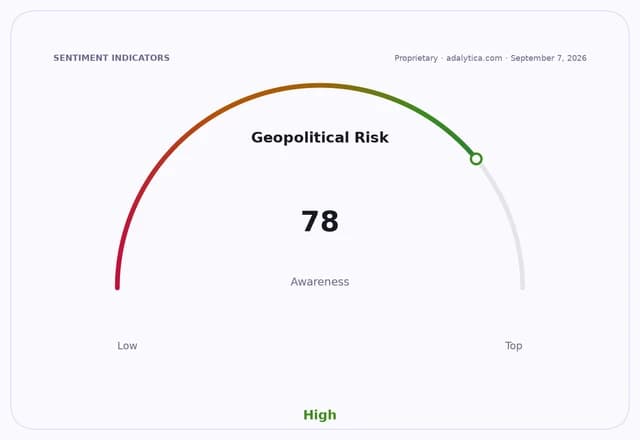
Sentiment IndicatorsⓘProprietary · adalytica.com · September 7, 2026
This is a snapshot — live sentiment, awareness and momentum for 130+ markets update continuously in the dashboard.Open AlphaPulse
The economic significance is modest in absolute terms but important strategically. Iran’s room for maneuver remains constrained by sanctions, restricted access to Western capital and periodic tensions with the US and its allies. That makes bilateral relationships with nearby, culturally linked states such as Tajikistan more valuable as conduits for commerce, transit and diplomatic support. For Tajikistan, closer ties with Iran can offer another source of investment and regional connectivity as it seeks to diversify trade away from a narrow set of partners.
The broader backdrop is a Middle East still sensitive to security shocks and a wider Eurasian region where countries are hedging between major blocs. Any deeper Iran-Tajikistan cooperation would likely be pursued through trade, transport, energy, agriculture and possibly cultural or educational exchanges rather than large-scale headline deals. But even incremental progress can matter for Tehran because it helps normalize Iran’s regional role and reduce isolation.
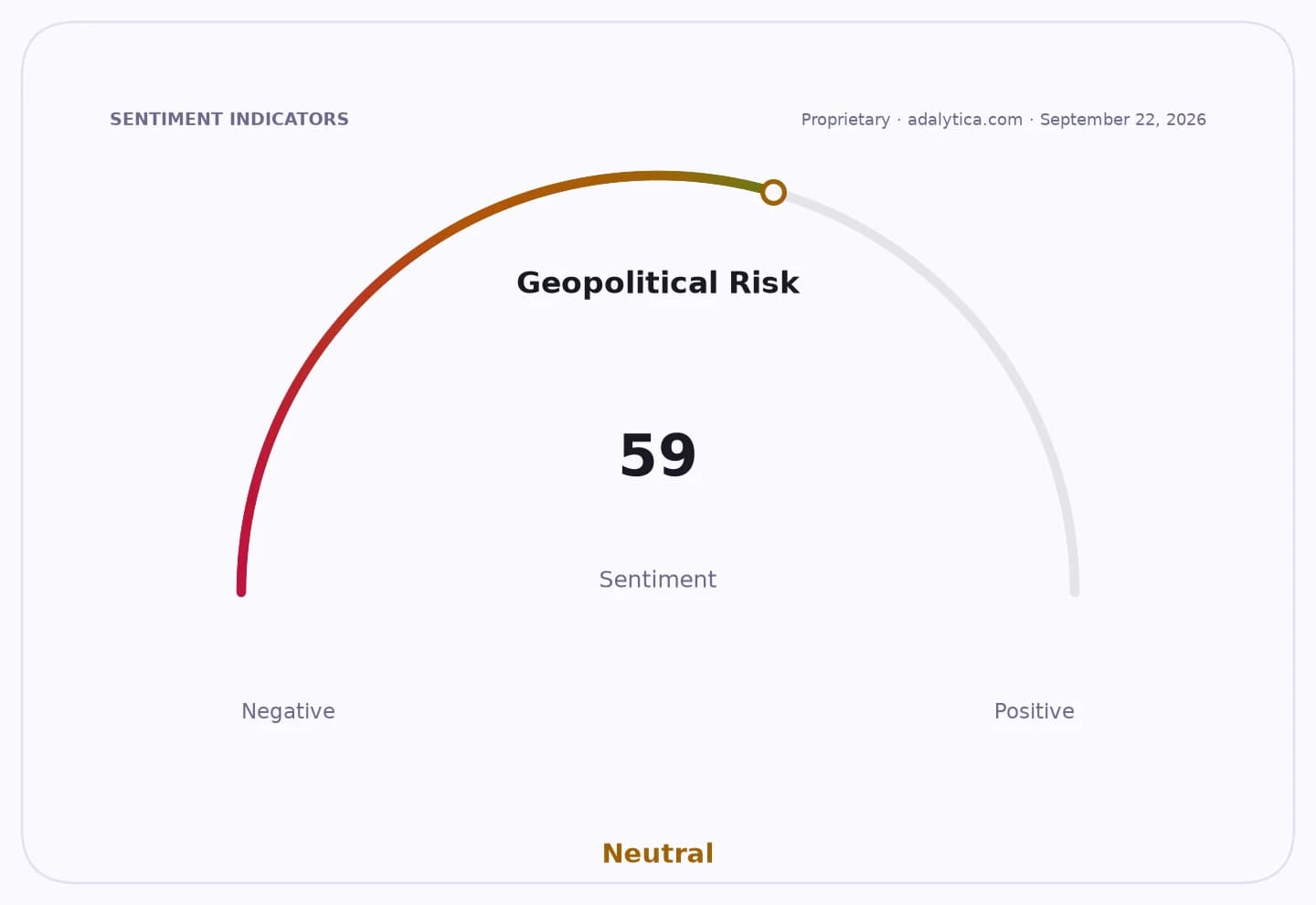
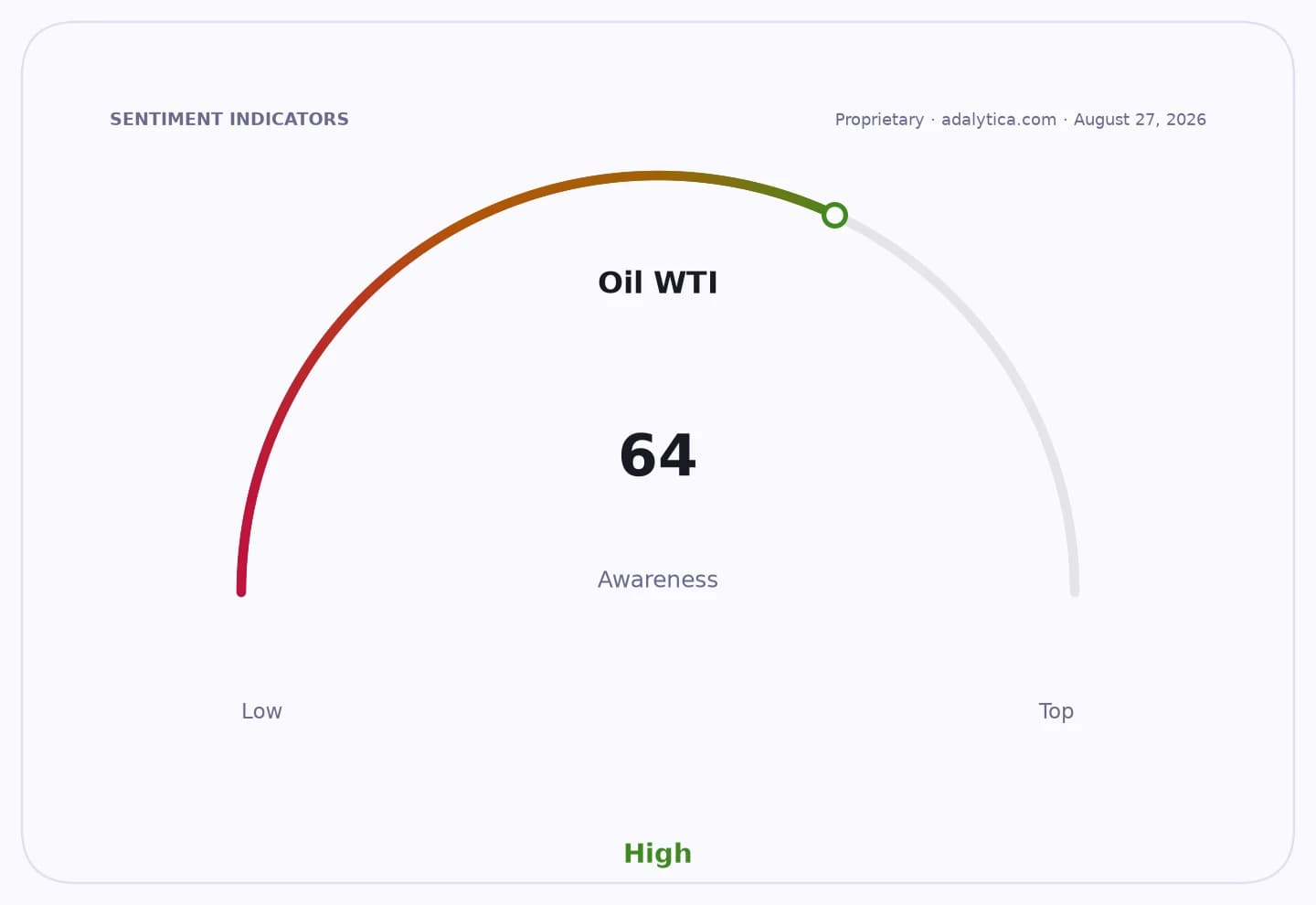
For investors, the direct market impact is limited, but the story reinforces a familiar set of cross-asset implications. Geopolitical friction involving Iran can keep crude markets volatile, while any easing in regional isolation would be read as a small offset to sanction risk. The US oil benchmark has been trading at elevated levels amid renewed conflict risk, and global stability gauges remain sensitive to any sign of escalation or diplomatic opening. That keeps energy-linked assets, shipping risk premia and frontier-market sentiment on watch.
The key question is whether the rhetoric turns into concrete economic agreements. If it does, Iran gains a low-friction channel to strengthen regional trade ties; if it does not, the announcement still serves a diplomatic purpose by signaling that Tehran is leaning harder on non-Western partnerships to cushion sanctions pressure and preserve regional influence.
| Entity | Gains | Losses |
|---|---|---|
| Iran | ▲Regional trade options | ▼Sanctions isolation |
| Tajikistan | ▲Investment and connectivity | ▼Dependence on few partners |
| Oil bulls | ▲Geopolitical risk premium | ▼Supply normalization |
| US-led pressure campaign | ▲Less leverage | ▼Iran’s regional outreach |