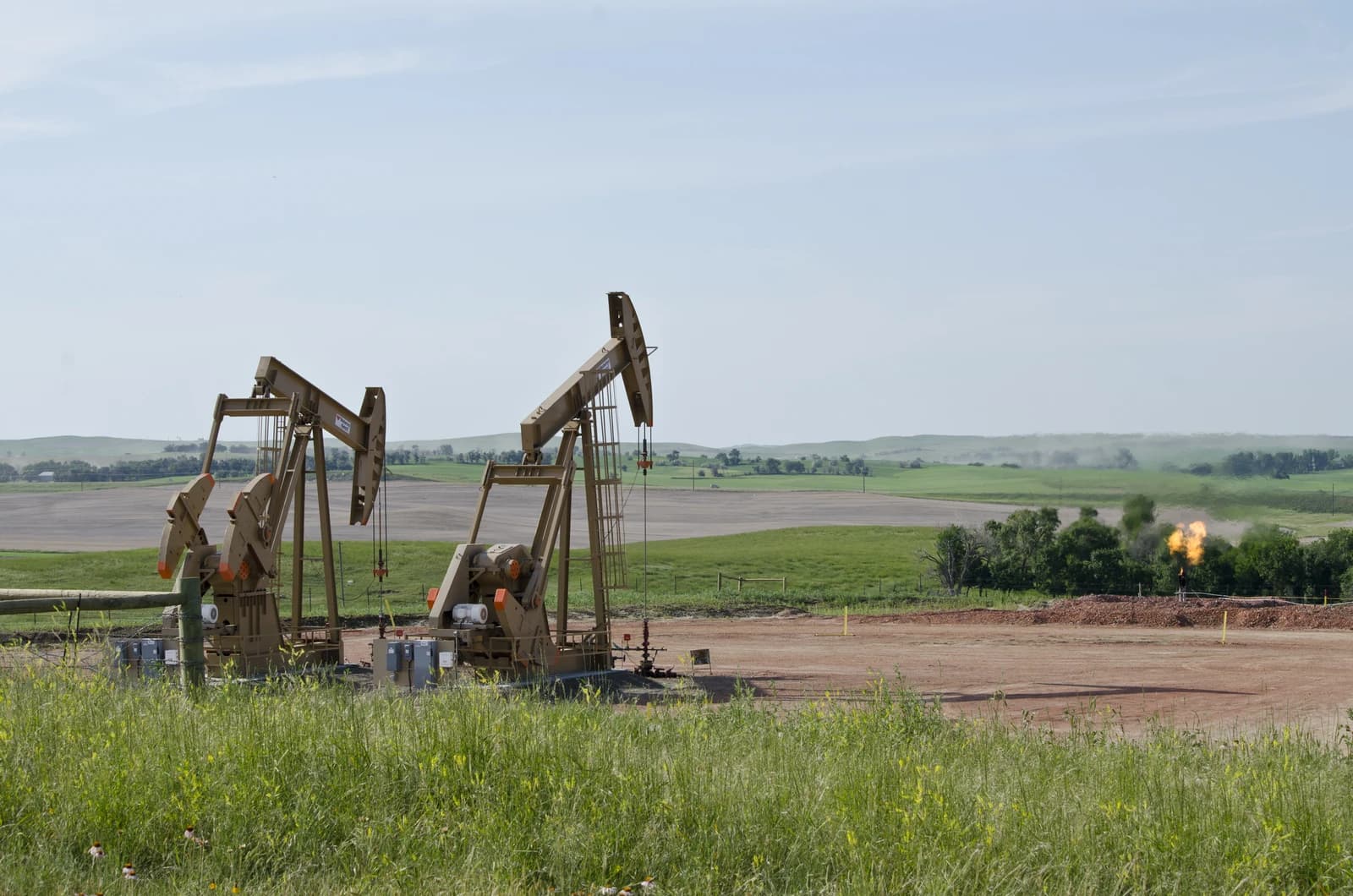
Iraq says development of the Kirkuk oil fields with BP could lift output to 450,000 barrels a day, a step that would add supply from one of the country’s most important legacy producing regions and bring more gas online as Baghdad pushes to reduce flaring and secure domestic energy needs.
Iraq says BP Kirkuk project could raise output
Oil Minister Bassem Mohammed Khudair said the project covers the four Kirkuk fields and is designed to deliver about 500 million standard cubic feet of gas alongside the higher crude output. He said the contract has been signed and activated, with operations moving from North Oil and North Gas companies to a joint operating authority.
Sentiment Indicators
For Iraq, the project is more than a field redevelopment. Baghdad is trying to turn aging assets into a larger and more reliable production base at a time when it still depends heavily on oil revenue, faces pressure to end gas flaring and wants more fuel for power generation. The minister also said the plan includes training Iraqi engineers and technical staff to improve field management across the sector.
The government is also using the BP partnership to signal that Iraq is open for business. Khudair said talks are under way with three major U.S. oil companies as Baghdad seeks to reach final contracts, underscoring efforts to attract more foreign capital into a sector long shaped by state control, security risk and intermittent investment.
For investors, the significance is twofold: higher Iraqi supply could matter for a market already sensitive to Middle East disruption, while the added gas output could support domestic power generation and reduce costly imports over time. Oil prices remain elevated, with Brent around $126 a barrel in the latest trading data, keeping supply additions in focus for refiners and producers alike.
The next test is execution. Investors will be watching whether Iraq can convert the BP agreement into sustained production gains, hold the project on schedule and expand on it with more international deals.
| Entity | Gains | Losses |
|---|---|---|
| Iraq / Oil Ministry | ▲Higher output, more gas, better revenue | ▼Greater execution pressure |
| BP | ▲Larger upstream role in Iraq | ▼Project and political risk |
| Global oil market | ▲More supply visibility | ▼Less upside from tightness |
| Import-dependent consumers | ▲Potentially more energy supply | ▼None immediate |