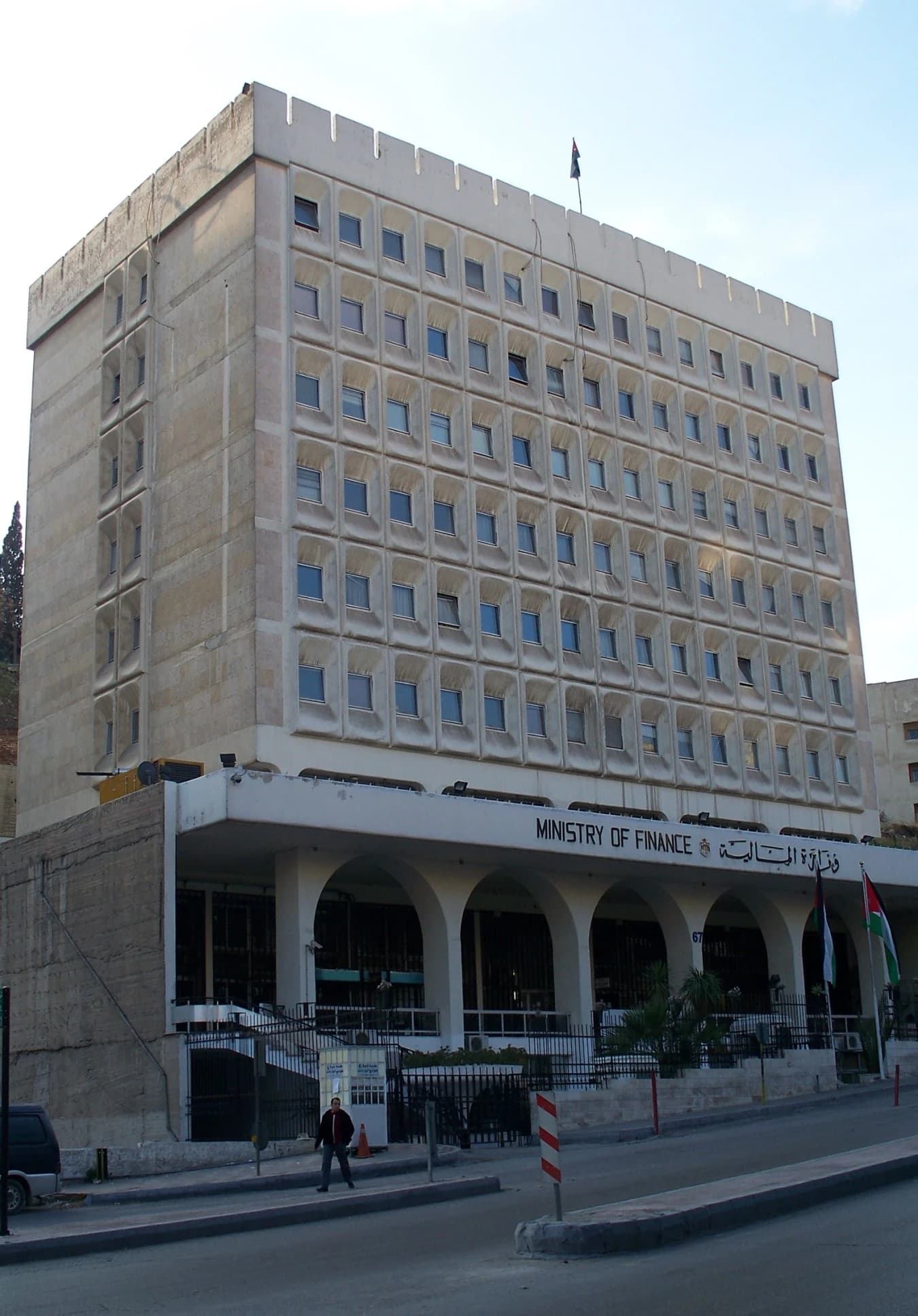
Iraq’s central bank has moved another step toward digitizing its financial system, launching an online service that lets citizens request replacement of damaged banknotes through a portal instead of visiting branches in person. For a country where banking access has long been limited by paperwork, slow processing and low trust in formal institutions, the change is small in scale but important in signal: the Central Bank of Iraq is trying to make the cash economy a little more efficient, more transparent and more usable for ordinary Iraqis.
Iraq central bank launches online banknote replacement
The new system allows users to enter the required data at currency.app.cbi.iq and submit replacement requests electronically, with the central bank’s departments handling the rest. That may sound administrative, but these kinds of back-office upgrades matter in an economy that still relies heavily on cash. When a central bank simplifies currency replacement, it reduces friction for households and small businesses that often cannot afford to lose even a modest amount of damaged notes.
Sentiment IndicatorsⓘProprietary · adalytica.com · October 22, 2026
This is a snapshot — live sentiment, awareness and momentum for 130+ markets update continuously in the dashboard.Open AlphaPulse
The bigger economic point is that Iraq is building the infrastructure for a more modern banking relationship with its citizens. Digital public services do not transform an economy overnight, but they can help normalize formal banking channels, improve confidence in state institutions and gradually reduce the inefficiencies that come from an overwhelmingly cash-based system. Over time, those improvements can support better monetary transmission, cleaner payment flows and greater participation in the formal financial sector.
For investors, the announcement is not a market-moving event on its own, but it is worth watching as part of a broader reform story. Iraq remains an emerging-market frontier with major risks, yet any step that improves the central bank’s operational credibility can matter to long-term capital allocators looking at the country’s banking sector, sovereign institutions and broader reform path. In markets like Iraq, execution matters as much as policy intentions, and even a basic service upgrade can be a useful marker that the authorities are trying to modernize the system.
The move also arrives against a backdrop of currency pressures and a stronger dollar globally, which can complicate life for countries that rely on imported goods and a stable exchange regime. Better domestic banking infrastructure will not solve those macro challenges, but it can make the financial system more resilient if and when pressure rises.
For long-term investors, the takeaway is simple: Iraq is still a high-risk story, but every practical step toward digitization and better financial plumbing is a sign of progress. This is the kind of reform that is easy to overlook and hard to value immediately, yet it can be part of the foundation for a more investable economy over time.
| Entity | Gains | Losses |
|---|---|---|
| Iraqi citizens | ▲Easier note replacement | ▼Fewer branch visits |
| Central Bank of Iraq | ▲Greater efficiency | ▼More operational scrutiny |
| Iraqi banking system | ▲Better digital infrastructure | ▼Legacy paperwork processes |
| Cash-dependent economy | ▲Lower friction in transactions | ▼Old manual banking habits |