The UAE Central Bank’s participation in the IMF and World Bank meetings in Bangkok ended with a tangible prize for investors: Abu Dhabi will host the institutions’ annual gatherings in 2029, a sign that the Emirates is still deepening its role as a financial hub with global reach.
UAE to host IMF and World Bank meetings in 2029
That matters because hosting the world’s top monetary and development policymakers is more than a diplomatic trophy. It reinforces the UAE’s pitch as a trusted node in global capital flows at a time when central banks are wrestling with inflation, cyber risk and the fast-changing plumbing of digital finance. For long-term investors, the message is that the Emirates wants to sit closer to the center of the global financial system, and is willing to invest in the infrastructure, regulation and partnerships that make that possible.
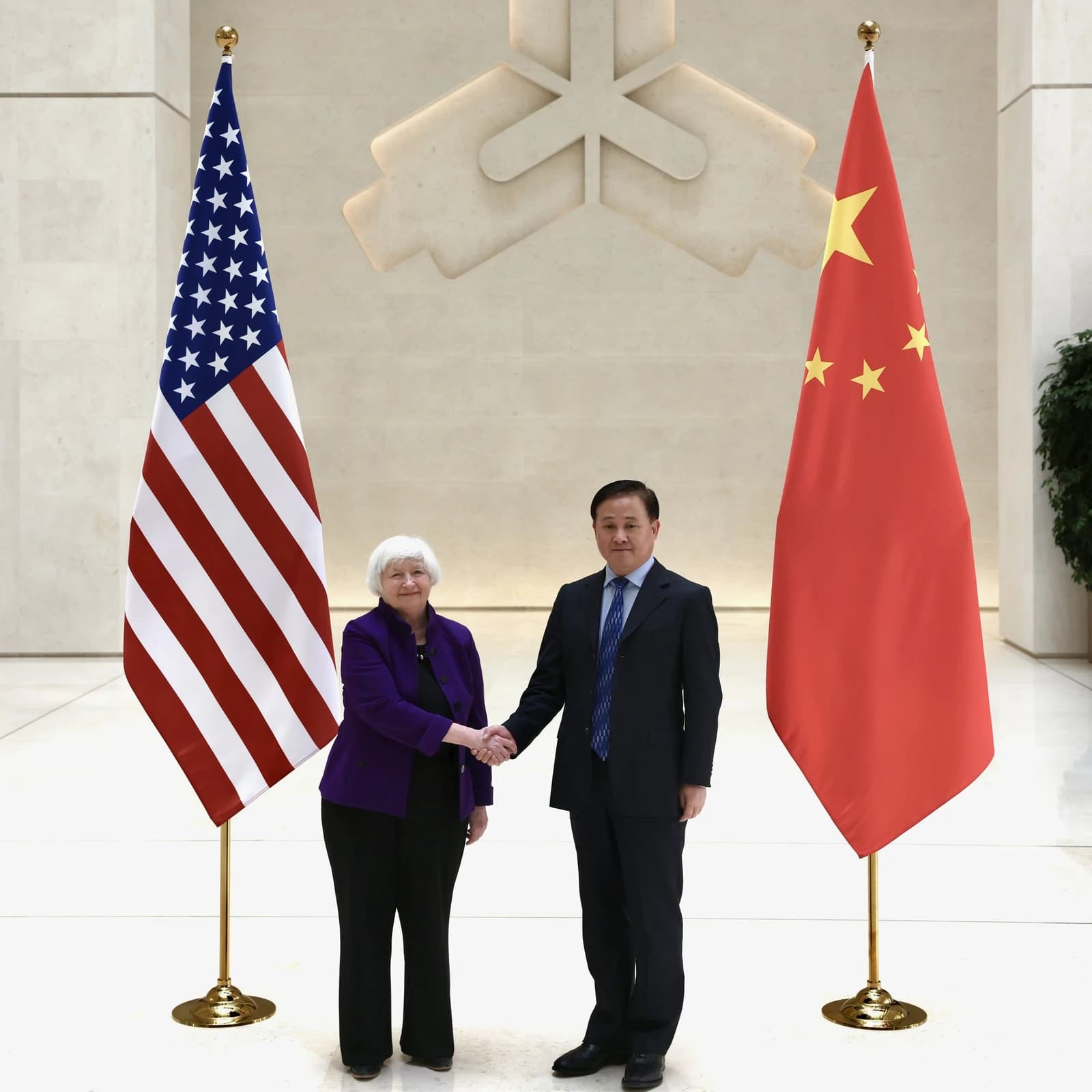
The central bank said the week in Bangkok was used to expand strategic partnerships and advance cooperation on cross-border payments, digital currency projects and financial supervision. Governor Khaled Mohamed Balama met with counterparts including the People’s Bank of China, the Bank of Korea, the Monetary Authority of Singapore and the National Bank of Georgia, underscoring how the UAE is trying to link its financial system more tightly to Asia and other major markets.
That is economically important for a country whose growth strategy increasingly depends on finance, trade facilitation and technology, not just hydrocarbons. The central bank highlighted the UAE’s low public debt, large sovereign assets and what it called strong fiscal buffers — all of which help keep borrowing costs contained and support confidence among lenders and foreign investors. In a world where the Federal Reserve’s policy rate is still around 3.7% and the U.S. 10-year Treasury yield is above 5%, jurisdictions with credible policy frameworks and deep reserves tend to stand out.
The Bangkok meetings also fit a broader international push to harden the financial system against fraud and cyber threats. IMF and World Bank officials used the forum to promote the Bangkok Blueprint, a cooperation framework aimed at digital financial crime. That is directly relevant to the UAE, which has built part of its financial brand on speed, innovation and digital payments. Faster systems can attract commerce and capital, but they also raise the bar on compliance, cybersecurity and oversight.
For investors, the bigger story is durability. The UAE is not just trying to participate in global finance; it is trying to shape it. That can support the long-term case for the country’s banks, payment networks and capital-market ecosystem, especially if cross-border connectivity keeps improving with China, Singapore and other Asian financial centers. The 2029 Abu Dhabi meeting will be a reputational boost, but the more important takeaway is the one behind it: the UAE is steadily building the institutional credibility that attracts money over many years, not just headlines for a week.
| Entity | Gains | Losses |
|---|---|---|
| UAE Central Bank | ▲Global stature | ▼None immediately |
| UAE banks and financial sector | ▲Deeper cross-border ties | ▼Higher compliance burden |
| IMF and World Bank | ▲Stronger Gulf partnership | ▼None directly |
| Digital fraud actors | ▲— | ▼Tighter oversight |