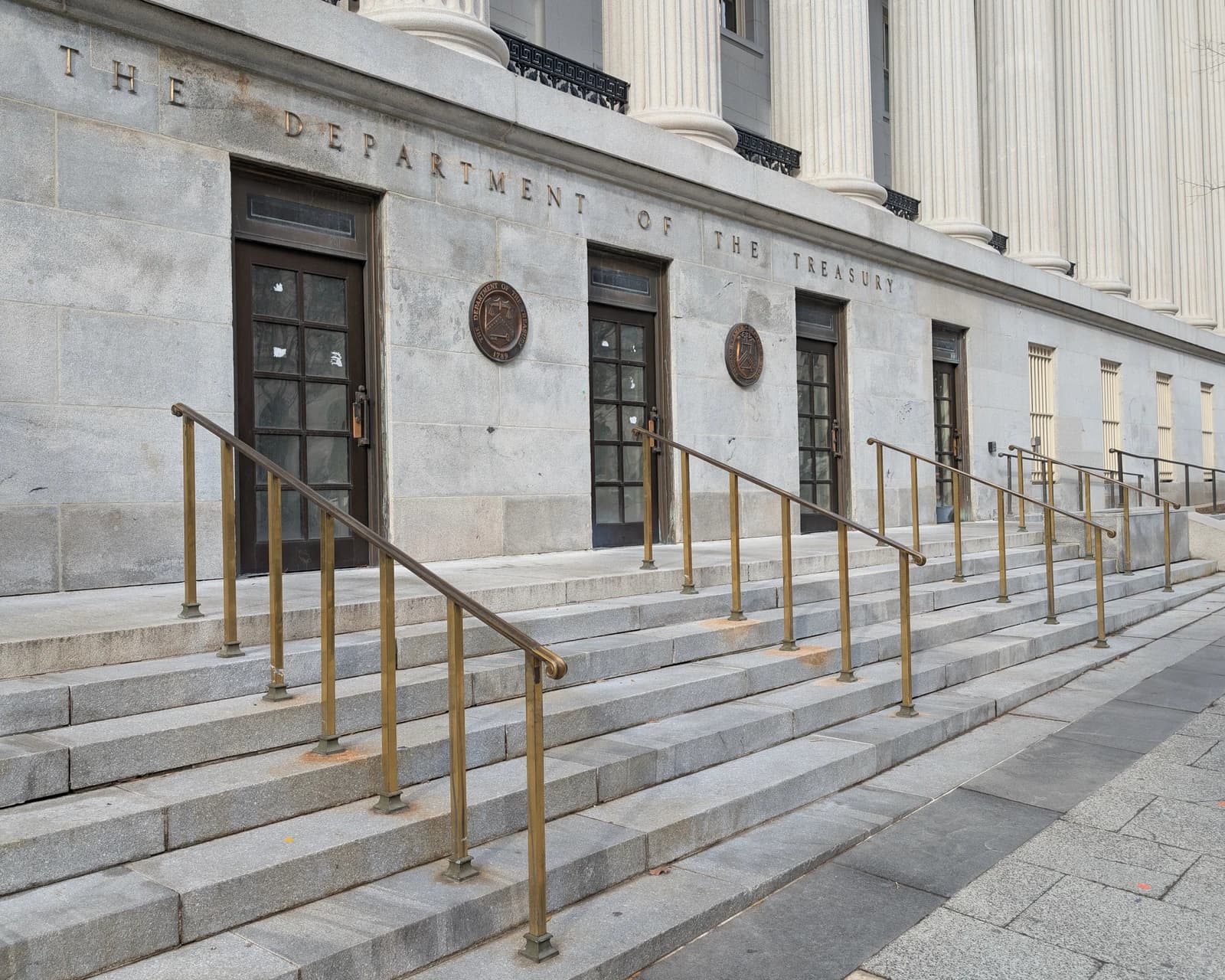
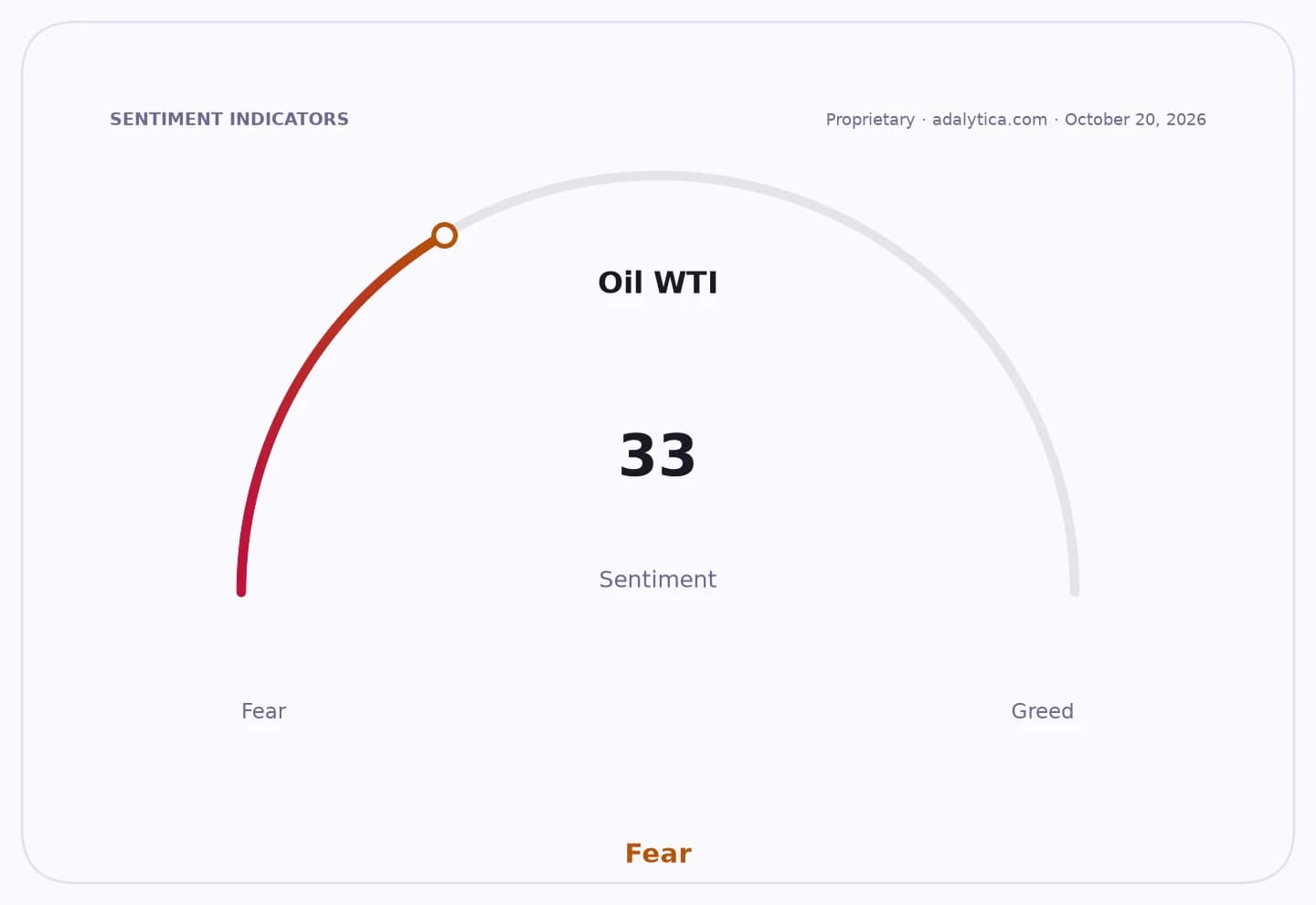
The U.S. Treasury has lifted restrictions on a number of Iraqi exchange companies, allowing them to return to selling dollars to travelers as Baghdad and Washington move to loosen some of the pressure on Iraq’s foreign-currency channels.
Iraq lifts dollar sales limits on exchange companies
The step matters because access to dollars sits at the center of Iraq’s banking system, trade payments and consumer demand for imported goods. Any easing in restrictions can reduce bottlenecks in the dollar market, improve liquidity for legitimate transactions and lower the risk of disruptive cash shortages for businesses and households that rely on foreign currency.
Sentiment IndicatorsⓘProprietary · adalytica.com · October 22, 2026
This is a snapshot — live sentiment, awareness and momentum for 130+ markets update continuously in the dashboard.Open AlphaPulse
The Iraqi central bank said the companies were cleared after meeting its compliance standards, framing the move as part of tighter oversight of foreign-exchange sales. It also said it is taking fresh steps to facilitate overseas transfers for customers with completed transactions, while boosting banks’ foreign accounts as needed and exempting them from the usual RTGS deposit period.
The policy shift follows months of pressure on Iraqi lenders and exchange houses after restrictions were imposed to combat money laundering, terrorism financing and breaches of dollar controls. In February 2026, the central bank had published a list of banks and exchange companies barred from direct or indirect use of the dollar until they completed banking reform requirements.
For investors, the development points to a gradual reopening of Iraq’s dollar plumbing, which could help restore confidence in local financial channels and support cross-border commerce. It also suggests some firms are making progress on compliance, a key test for regaining access to international correspondent networks and the broader dollar system.
Central bank governor Nizar Nasser Hussein said last month that Iraq had reached an understanding with the U.S. Treasury to bring seven Iraqi banks back into foreign correspondent channels for non-dollar currencies after passing the first stage of the reform program. Full access to dollars, however, still depends on additional governance and compliance steps, leaving the threat of renewed restrictions in place for institutions that fail to qualify.
The move comes as Iraq tries to stabilize dollar transactions while limiting its exposure to U.S.-Iran tensions that have weighed heavily on the economy. With foreign exchange still politically sensitive and heavily monitored, the next catalyst will be whether more banks and exchange firms clear the remaining reform hurdles.
| Entity | Gains | Losses |
|---|---|---|
| Iraqi exchange companies | ▲Return to dollar sales | ▼Earlier restrictions |
| Iraqi banks and importers | ▲Easier foreign transfers | ▼Compliance burden |
| Iraqi consumers and travelers | ▲Better dollar access | ▼Tighter screening delays |
| U.S. and Iraqi regulators | ▲Stronger oversight | ▼Less immediate control |